Sydney E-cigarette Dealers Fined for Illegal Import

Jun.16.2023
Sydney E-cigarette Dealers Fined for Illegal Import
Four Sydney e-cigarette dealers fined for illegal import of unregistered products containing banned ingredients.

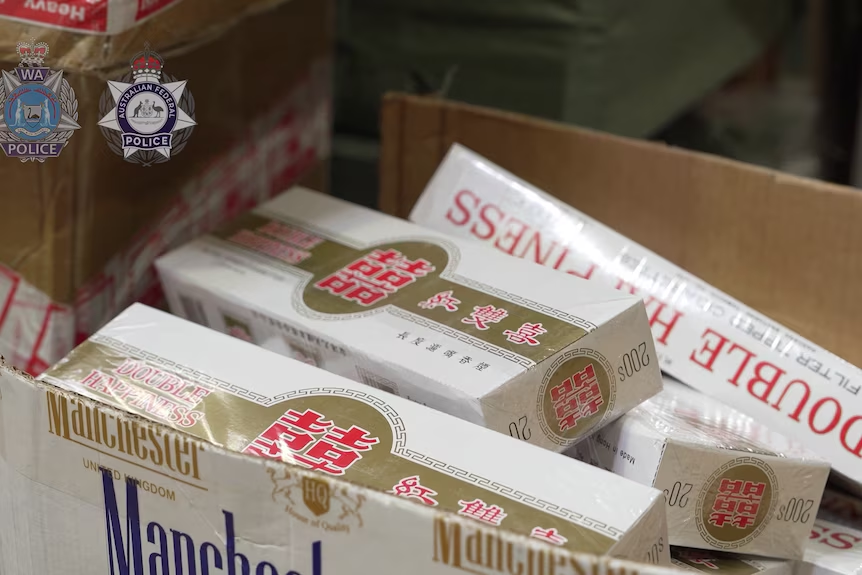
According to Australian media reports on June 13th, four e-cigarette dealers in Sydney have been fined a total of AUD 588,840 for allegedly illegally importing 379,600 unregistered e-cigarette products from IGET, GUNPOD, and HQD.


It has been reported that the Australian Therapeutic Goods Administration (TGA) has tested these products and found that they contain ingredients prohibited under the Nicotine e-Cigarette Products Standard (TGO 110) 2021 order.


It is reported that TGA will seize and destroy these products based on the recommendations of the pharmaceutical regulatory agency.


Professor Nick Zwar, Chair of the Smoking Cessation Guidelines Expert Advisory Group at the Royal Australian College of General Practitioners (RACGP), stated that the profits from e-cigarette products are high, making the fines too insignificant.


Professor Zwar cited an example of high fines that exist in international jurisdictions, such as South Korea, where fines for each violation can reach $200,000 USD (approximately $294,000 AUD), far surpassing those in Australia.


As such, I have some doubts about the adequacy of the current fine and I have raised this concern with the government.


Professor Zwar stated that although the fine is small, the fact that regulatory authorities are beginning to enforce the law is a positive sign, indicating that the TGA is taking a stricter stance on e-cigarettes.


He said, "I believe we will see more of these situations in the future. Despite laws prohibiting the import of nicotine products, many products have still made their way into the country without proper labeling of their nicotine content. Tests conducted by universities and other organizations have revealed that over 80% of these products contain nicotine.


So currently, the only proven method is to send products to a laboratory for analysis, making enforcement very difficult. However, by directly prohibiting the import of non-medical e-cigarette products, they can now be seized at customs, making enforcement easier," he added.


On June 15th, 2FIRSTS issued an interview invitation to the Therapeutic Goods Administration (TGA) of Australia and will continue to bring follow-up reports. Stay tuned for further updates.


Reference(s):


The TGA's recent actions against vaping indicate that more regulation may be on the horizon.


Disclaimer

This article is provided solely for professional research, industry discussion, and informational purposes. Any references to brands, companies, products, technologies, or policies are made for factual reporting and analytical purposes only, and do not constitute endorsement, recommendation, promotion, or advertising by 2Firsts.

Nicotine-containing products, including but not limited to cigarettes, e-cigarettes, heated tobacco products, and nicotine pouches, carry significant health risks. Readers are responsible for complying with all applicable laws and regulations in their respective jurisdictions, including age restrictions and access limitations.

The information contained in this article should not be regarded as investment, legal, medical, regulatory, or commercial advice. While 2Firsts strives to ensure the accuracy and reliability of its content, it does not assume liability for any direct or indirect loss arising from errors, omissions, inaccuracies, or reliance on the information contained herein.

This article is not intended for individuals below the legal age for accessing tobacco or nicotine-related information in their jurisdiction.


Copyright Notice

This article is either original content produced by 2Firsts or content reproduced, translated, summarized, or adapted from third-party sources with attribution where applicable. The intellectual property rights of the original content remain with 2Firsts or the respective original rights holders.

No individual or organization may copy, reproduce, distribute, republish, modify, translate, or otherwise use this content without prior authorization. Any unauthorized use may result in legal action.

For copyright-related inquiries, corrections, or removal requests, please contact: info@2firsts.com.


AI-Assisted Translation and Editing Notice

Portions of this article may have been translated, edited, or reviewed with the assistance of artificial intelligence tools to improve efficiency and readability. Due to the limitations of AI-assisted translation and editing, discrepancies, omissions, or inaccuracies may exist when compared with the original source.

Where applicable, readers are advised to refer to the original source for the most complete and accurate information. If you identify any errors or believe that any content infringes upon your rights, please contact us at info@2firsts.com, and we will review and address the matter promptly.


UK HMRC Launches Vape Duty Stamps on October 1, Ushering in Supply-Chain Traceability as Chinese Exporters Face New Compliance Hurdles
HM Revenue & Customs put the UK's Vaping Products Duty and Vaping Duty Stamps Scheme into effect on October 1. All vaping liquids manufactured in or imported into the UK are now subject to duty at £2.20 per 10ml, regardless of nicotine content. The stamp regime will introduce digital functionality designed to provide traceability throughout the supply chain, with approved manufacturers, importers and warehousekeepers required to report product movements and retailers and consumers eventually able to scan stamps to verify authenticity. China exported $177 million of vape-related products to the UK in August, up 51.4% year over year, increasing the significance of the new compliance regime for China's Shenzhen-centered vape supply chain.
Regulations
Oct.04
Philippines Weighs Unified Vape Tax as Lawmakers Back Risk-Based Rates and Government Seeks to Fill ₱66 Billion Revenue Gap
Philippine lawmakers are considering an overhaul of the country's vape excise-tax regime to eliminate the wide gap between taxes on nicotine salt and freebase nicotine liquids and reduce incentives for misdeclaration. House Bill 5364, filed by Rep. Rufus Rodriguez and Rep. Maximo Rodriguez Jr., would impose a unified ₱10-per-milliliter tax on vapor products, with 5% annual increases beginning in 2027. Rodriguez says the proposal could generate an average ₱6 billion in annual collections from 2027 through 2030. The debate comes as the Philippine government considers tobacco, vape and other health-tax reforms to help offset around ₱66 billion in revenue expected to be forgone under a proposed tax-relief package.
Aug.18
Reynolds Seeks to Join Altria Lawsuit Challenging FDA PMTA Rule and Calculation of 180-Day Deadline
Three R.J. Reynolds companies are seeking to intervene in a lawsuit filed by Altria subsidiaries Helix Innovations and NJOY challenging the FDA's 2021 PMTA final rule. The companies dispute how the agency uses Acceptance and Filing reviews and completeness determinations to establish when the Tobacco Control Act's 180-day decision period begins. Reynolds has also linked prolonged PMTA reviews to competition from unauthorized vaping products. The FDA, meanwhile, has been accelerating reviews and reducing its backlog.
Sep.14
FDA Revises Import Alert 98-07 Rules, Bringing May Enforcement Priorities Into Unauthorized ENDS Detentions
The U.S. Food and Drug Administration has revised the rules under Import Alert 98-07 to incorporate its May 2026 enforcement-priority policy for certain electronic nicotine delivery systems marketed without premarket authorization. The alert continues to allow detention without physical examination, or DWPE, for ENDS lacking required marketing authorization, while directing field divisions to apply the May risk-based framework. When necessary, detention or refusal decisions must also undergo review by the FDA's Center for Tobacco Products. Products including PACHA and Vuse Pro have already emerged as industry examples of the May policy, although enforcement discretion does not constitute FDA marketing authorization.
News
Sep.28 by 2Firsts Perspectives
India Steps Up Nicotine Pouch Enforcement as ZYN, White Fox Circulate and Drug Panel Urges Halt to New Nicotine Formulations
India's Ministry of Health and Family Welfare has directed states to step up enforcement against nicotine pouch sales, citing increased availability through online and offline channels and concern about nicotine exposure among children. Reuters reported that international brands including ZYN and White Fox are being sold in India. A study led by ICMR-NICPR found pouches in seven of 10 surveyed locations and identified 68 brands and 445 flavors online. Separately, India's Drugs Technical Advisory Board recommended in August that no new nicotine formulation be approved.
Regulations
Sep.28 by 2Firsts Perspectives
Exclusive Analysis | Smoore H1 Revenue Rises 19.9% Amid Growth Concentration, Profit Pressure and Slowing Momentum
Smoore’s first-half 2026 revenue rose 19.9%, but the results revealed growing structural risks beneath the headline growth. Heat-not-burn contributed about 61% of incremental revenue and remains driven largely by one core customer, while traditional vaping markets diverged, own-brand growth slowed and China enterprise revenue declined further. Gross profit and adjusted profit lagged revenue growth, while second-quarter revenue growth slowed to about 1.9%, putting greater focus on the quality, concentration and sustainability of Smoore’s expansion.
Capital Markets
Aug.20