Thailand Authorities Raid E-Cigarette Store, Seize $13,000 Worth of Products

Regulations by 2FIRSTS.ai
Mar.22.2024
Thailand Authorities Raid E-Cigarette Store, Seize $13,000 Worth of Products
Thailand authorities seize over $13,000 worth of illegal e-cigarettes in coordinated raid, leading to shop owner's prosecution.

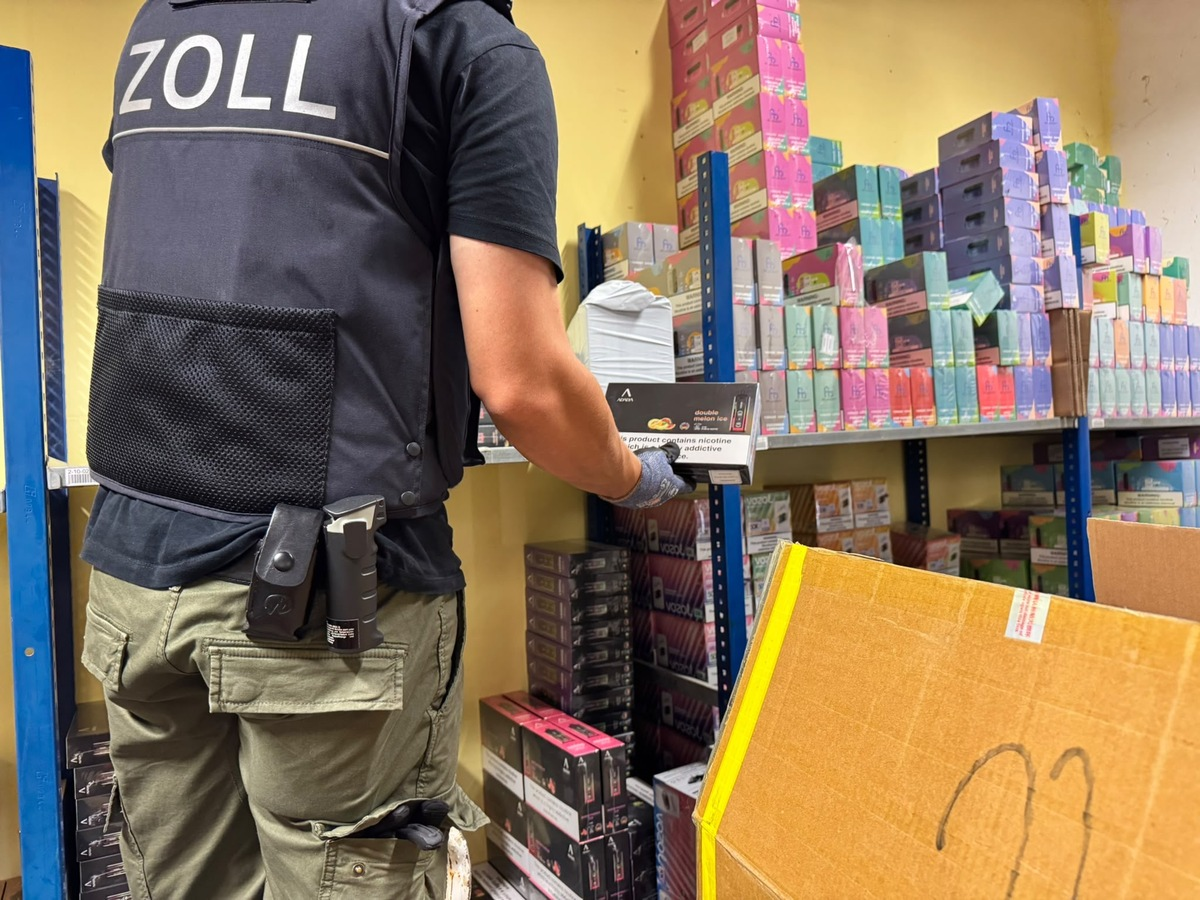
According to a report from Thai media channel CH7 on March 22, the Office of Consumer Protection Board (OCPB) in Thailand, in conjunction with local police, conducted a raid on a large e-cigarette store and confiscated e-cigarettes worth over 5 million Thai baht (approximately $13.7 thousand USD).


The deputy director of the committee, Lertsak Raktham, has ordered a nationwide search after more than 10,000 illegal e-cigarettes, valued at over 5 million Thai baht (13.7 thousand US dollars), were found at an e-cigarette store in Chumphon province today (March 22nd).


Currently, the shop owner involved in the case has been charged.


We welcome news tips, article submissions, interview requests, or comments on this piece.

Please contact us at info@2firsts.com, or reach out to Alan Zhao, CEO of 2Firsts, on LinkedIn


Notice

1.  This article is intended solely for professional research purposes related to industry, technology, and policy. Any references to brands or products are made purely for objective description and do not constitute any form of endorsement, recommendation, or promotion by 2Firsts.

2.  The use of nicotine-containing products — including, but not limited to, cigarettes, e-cigarettes, nicotine pouchand heated tobacco products — carries significant health risks. Users are responsible for complying with all applicable laws and regulations in their respective jurisdictions.

3.  This article is not intended to serve as the basis for any investment decisions or financial advice. 2Firsts assumes no direct or indirect liability for any inaccuracies or errors in the content.

4.  Access to this article is strictly prohibited for individuals below the legal age in their jurisdiction.


Copyright


This article is either an original work created by 2Firsts or a reproduction from third-party sources with proper attribution. All copyrights and usage rights belong to 2Firsts or the original content provider. Unauthorized reproduction, distribution, or any other form of unauthorized use by any individual or organization is strictly prohibited. Violators will be held legally accountable.

For copyright-related inquiries, please contact: info@2firsts.com


AI Assistance Disclaimer


This article may have been enhanced using AI tools to improve translation and editorial efficiency. However, due to technical limitations, inaccuracies may occur. Readers are encouraged to refer to the cited sources for the most accurate information.

We welcome any corrections or feedback. Please contact us at: info@2firsts.com

PMI Oral Products Chief Says Lack of Rules May Push Nicotine Pouch Market Into Illicit Trade
Nick Ricketts, President of Oral Products at Philip Morris International (PMI), told Logos Press that nicotine pouches should be brought under clear regulatory frameworks covering nicotine limits, flavor rules, age verification, sales controls and marketing standards, arguing that the absence of clear rules or blanket bans may push consumer demand into illegal or semi-legal channels.
Jul.06
Special Report | China’s Tobacco Tax Debate Shifts Toward Tax Design as Policy Trade-offs Come Into Focus
China’s tobacco tax debate is moving from whether to raise prices to how the tax system should be designed. At a Beijing forum on World No Tobacco Day, experts discussed higher specific excise taxes, minimum tax burdens and dynamic adjustments linked to income and inflation. The issue also connects to China’s broader consumption tax reform, health financing and chronic disease costs. Public reports did not mention e-cigarettes, heated tobacco, nicotine pouches or other new nicotine products.
Jun.11
Vietnam’s Vape Crackdown Expands From Ban Proposal to Grassroots Enforcement
Vietnam tightens e-cigarette rules. Health Ministry proposes banning production, trade, transport, storage, ads, promotion, sponsorship, and use of e-cigarettes, heated tobacco, and new products. Hanoi also urges residents to report illegal activities, showing enforcement moves from lawmaking to local action.
Jul.08
Product | YOOZ Launches Waker Electronic Shisha Device, Expanding Vape Applications Beyond Portable Devices
YOOZ has introduced the Waker Electronic Shisha device, expanding its vaping portfolio into the electronic shisha category. The device combines a rechargeable hardware platform with dedicated cartridges, featuring a 4,000mAh battery, up to 60W output power, and LED lighting effects. The product has appeared across multiple French retail channels, reflecting the continued expansion of vaping products into new consumption scenarios.
Jul.13
UK Vaping Products Duty to Raise £565 Million by 2030/31
The UK will introduce Vaping Products Duty on all vaping liquids from October 1, 2026, with government revenue forecast to rise from £135 million in 2026/27 to £565 million by 2030/31.
Jun.18
South Korea’s New Vape Rules Raise Bar for E-Liquid Makers and China-Linked Supply Chains, Expert Says
South Korea’s new vape regulations are reshaping the e-liquid market, raising compliance requirements for manufacturers, retailers and overseas suppliers. In an interview with 2Firsts, Korean nicotine products specialist Sam Kim discusses licensing barriers, inventory impacts, China-linked supply chains, and emerging regulatory challenges around nicotine analogues, nicotine-free products and DIY mixing. The Korean case may offer broader insights as governments worldwide adapt to rapidly evolving nicotine products.
Jul.16