UK Government Considering Tobacco Tax Increase, Raising Cost of a Pack to £16

Regulations by 2FIRSTS.ai
Mar.01.2024
UK Government Considering Tobacco Tax Increase, Raising Cost of a Pack to £16
UK government considering tobacco tax increase in upcoming budget, potentially raising cost of a pack to £16, sparking controversy.

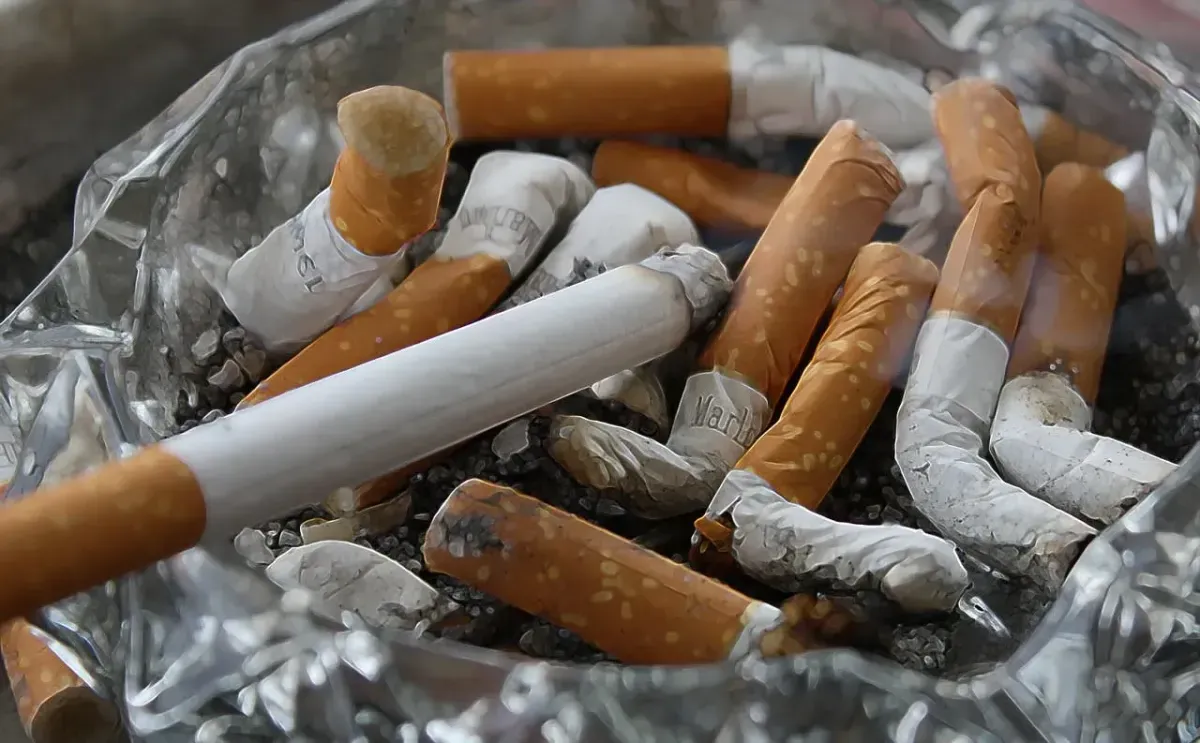
  According to The Sun report, the UK government may increase tobacco taxes in next week's budget, meaning smokers could potentially see the price of a 20-pack of cigarettes rise to £16.


Chancellor Jeremy Hunt is planning to increase taxes next week. In recent years, the UK government has been striving to make the country smoke-free, leading to a sharp rise in tobacco prices. Currently, the average price for a pack of 20 cigarettes is around £14.39, while in Germany, the same pack averages only £6.50. However, the cost of nicotine is expected to reach a new high in less than a week. The news of the price increase has caused a stir on social media, with many expressing their concerns on various platforms.


A Facebook user wrote: "Okay, I'm going to quit smoking." Another user reminisced about the past, writing: "I remember when a pack of 10 cigarettes used to cost only £2.15, times have really changed."


The measures are expected to provide the government with approximately £500 million in budget. Many people, both smokers and non-smokers, are angry about the upcoming tobacco price hike. One internet user wrote, "I never smoke, but I can see that the price of a pack of cigarettes could rise to £16. For those who smoke, this is a huge burden."


In addition, industry experts warn that this measure could have unintended consequences. Sarah Connor, from Japan Tobacco International's UK division, stated: 


"Unreasonable tobacco taxes fuel illegal sales of tobacco, waste taxpayers' money, and inflate prices."


Life economist Christopher Snowden added, "The government's position on e-cigarettes has become a mess. They claim to want to crackdown on disposable e-cigarettes, but are actually taxing reusable e-liquids. While the government offers free e-cigarettes through the 'Swap to Stop' program, they are making it unaffordable for those willing to pay."


He pointed out, "The government claims it wants to reduce the tax burden, but appears to be eager to tax smoking."


We welcome news tips, article submissions, interview requests, or comments on this piece.

Please contact us at info@2firsts.com, or reach out to Alan Zhao, CEO of 2Firsts, on LinkedIn


Notice

1.  This article is intended solely for professional research purposes related to industry, technology, and policy. Any references to brands or products are made purely for objective description and do not constitute any form of endorsement, recommendation, or promotion by 2Firsts.

2.  The use of nicotine-containing products — including, but not limited to, cigarettes, e-cigarettes, nicotine pouchand heated tobacco products — carries significant health risks. Users are responsible for complying with all applicable laws and regulations in their respective jurisdictions.

3.  This article is not intended to serve as the basis for any investment decisions or financial advice. 2Firsts assumes no direct or indirect liability for any inaccuracies or errors in the content.

4.  Access to this article is strictly prohibited for individuals below the legal age in their jurisdiction.


Copyright


This article is either an original work created by 2Firsts or a reproduction from third-party sources with proper attribution. All copyrights and usage rights belong to 2Firsts or the original content provider. Unauthorized reproduction, distribution, or any other form of unauthorized use by any individual or organization is strictly prohibited. Violators will be held legally accountable.

For copyright-related inquiries, please contact: info@2firsts.com


AI Assistance Disclaimer


This article may have been enhanced using AI tools to improve translation and editorial efficiency. However, due to technical limitations, inaccuracies may occur. Readers are encouraged to refer to the cited sources for the most accurate information.

We welcome any corrections or feedback. Please contact us at: info@2firsts.com

Philippines Weighs Unified Vape Tax as Lawmakers Back Risk-Based Rates and Government Seeks to Fill ₱66 Billion Revenue Gap
Philippine lawmakers are considering an overhaul of the country's vape excise-tax regime to eliminate the wide gap between taxes on nicotine salt and freebase nicotine liquids and reduce incentives for misdeclaration. House Bill 5364, filed by Rep. Rufus Rodriguez and Rep. Maximo Rodriguez Jr., would impose a unified ₱10-per-milliliter tax on vapor products, with 5% annual increases beginning in 2027. Rodriguez says the proposal could generate an average ₱6 billion in annual collections from 2027 through 2030. The debate comes as the Philippine government considers tobacco, vape and other health-tax reforms to help offset around ₱66 billion in revenue expected to be forgone under a proposed tax-relief package.
Aug.18
Reuters: Shopify May Ban All Vape Sales This Week Amid Illegal Market Crackdown
Reuters reported that Shopify may ban all vape products from its platform as soon as this week, signaling that U.S. enforcement against the illegal vape market is expanding from retailers and importers to e-commerce platforms and payment networks.
MarketBAT
Jun.23 by 2Firsts Perspectives
UK Vape Brands Face White-Packaging and Flavour-Name Curbs in Youth-Appeal Crackdown
The UK government and devolved administrations have launched a 12-week consultation on proposals to make vapes less appealing to children, including plain white packaging, limits on device colours, restrictions on flavour names and changes to how products are displayed in shops.
Jul.10
Global Tobacco Control Faces Regional Adaptation Test as Nicotine Markets Evolve, Asian Specialist Says
As e-cigarettes, heated tobacco products and nicotine pouches expand across global markets, a central question is gaining urgency: can tobacco control rely on a universal policy model? In an interview with 2Firsts, Asian public health and addiction medicine specialist Dr. Rashidi Mohamed bin Pakri Mohamed says Western experience remains relevant, but policies must be adapted to local culture, healthcare systems, enforcement capacity, illicit markets and clinical evidence.
Jul.08
Research | Swedish Study Finds Oral Lesions in 79% of Examined Nicotine Pouch Users, With Distinct Tissue Responses
A new Swedish study found oral mucosal lesions in 79% of examined nicotine pouch users and 89% of tobacco-derived snus users, with different tissue-response patterns between the two categories. For manufacturers and regulators, the findings shift attention toward product formulation, flavouring, pouch materials and local oral exposure, not only whether a product contains tobacco. The study found no higher prevalence of caries or periodontal disease, but it could not establish causality, long-term outcomes or differences between individual products or designs.
Special Report
Jul.27
Special Report | Russia, Ukraine and Belarus Launch Fresh Push to Rein in Vaping
Russia, Ukraine and Belarus are tightening vape regulation through different tools, from Ukraine’s stronger enforcement push and Belarus’s proposed advertising restrictions to Russia’s new GOST standard and regional sales-ban mechanism. As black-market concerns persist, some Russian experts argue that China’s tightly controlled but legalised model — built around licensing, traceability and taxation — may offer a more effective alternative to blanket prohibition.
Jul.15