UK Plans to Implement Additional Tax on E-Cigarettes in 2026

Regulations by 2FIRSTS.ai
Mar.07.2024
UK Plans to Implement Additional Tax on E-Cigarettes in 2026
UK plans to tax e-cigarettes in 2026 to raise prices and deter non-smokers from smoking, according to Finance Minister Jeremy Hunt.

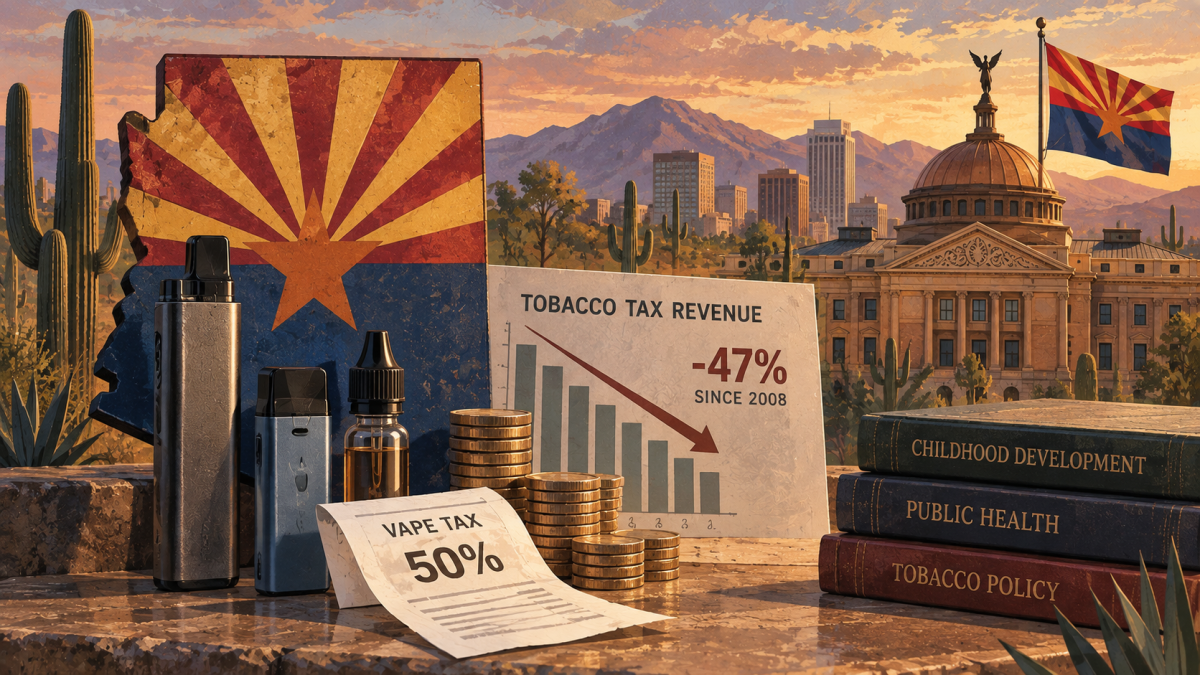
According to a report by Reuters on March 6th, British Finance Minister Jeremy Hunt has announced plans to impose additional taxes on e-cigarette products starting in October 2026. The aim is to raise the price of e-cigarettes and deter non-smokers from taking up smoking. Hunt stated that the government will also raise tobacco taxes on disposable cigarettes to maintain the price advantage of e-cigarettes over traditional cigarettes, in order to incentivize smokers to choose e-cigarettes.


Hunter stated in his budget speech on Wednesday, March 6th that this tax will be implemented in October 2026. He also mentioned that the government will be consulting on the design of the tax.


In the increasingly stringent tobacco regulations and declining smoking rates, e-cigarettes may represent an increasingly important source of revenue for British American Tobacco. According to analyst Owen Bennett of Jefferies, this taxation may make it difficult for small businesses to compete, benefiting large tobacco companies like British American Tobacco.


BAT can afford such taxes and does not need to adjust prices.


This could potentially lead to small companies being unable to survive.


The spokesperson for British American Tobacco UK has stated, "We encourage the government to implement an e-cigarette tax before October 2026 to tackle the rampant illegal market." The company supports a "low" consumption tax on nicotine e-liquids in e-cigarettes, but believes that taxing based on nicotine content would be difficult to enforce.


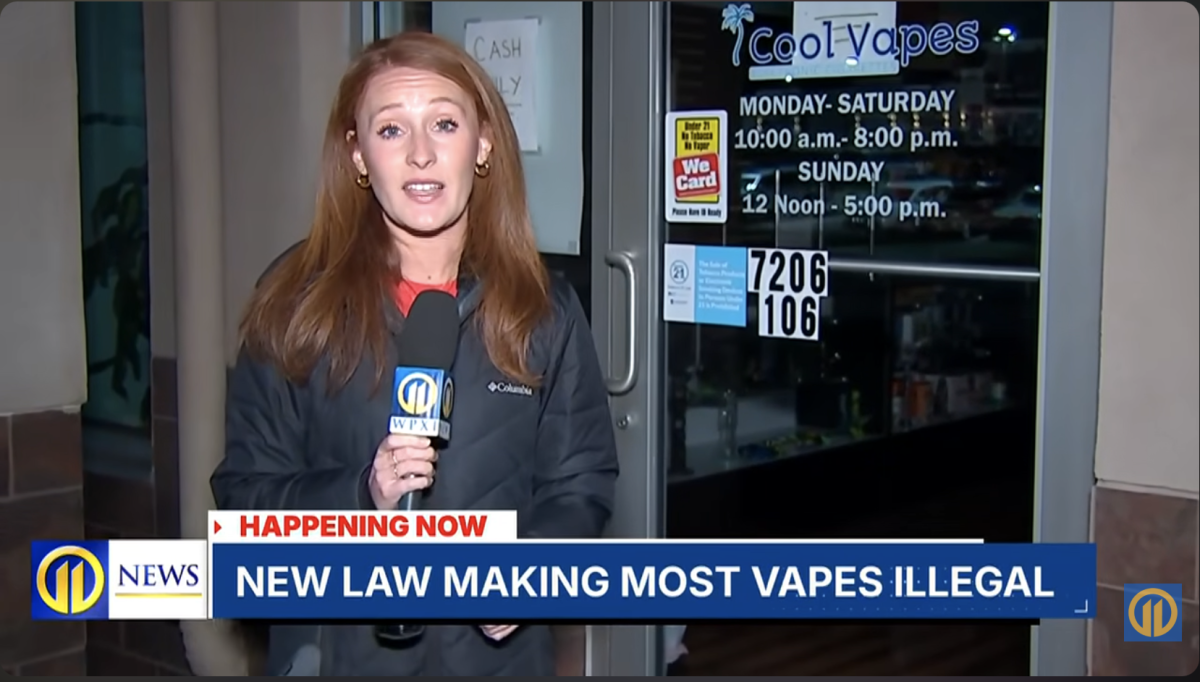
Due to the rapid increase in non-smokers and young people using e-cigarettes, the UK government has been forced to consider stricter control measures. Most e-cigarettes will be subject to the standard 20% value-added tax, but no additional charges will be imposed.


Maggie Rae, Chair of the Epidemiology and Public Health Committee of the Royal Medical Association, stated that any tax increases must be carefully considered to ensure they do not undermine efforts to encourage smokers to quit.


We welcome news tips, article submissions, interview requests, or comments on this piece.

Please contact us at info@2firsts.com, or reach out to Alan Zhao, CEO of 2Firsts, on LinkedIn


Notice

1.  This article is intended solely for professional research purposes related to industry, technology, and policy. Any references to brands or products are made purely for objective description and do not constitute any form of endorsement, recommendation, or promotion by 2Firsts.

2.  The use of nicotine-containing products — including, but not limited to, cigarettes, e-cigarettes, nicotine pouchand heated tobacco products — carries significant health risks. Users are responsible for complying with all applicable laws and regulations in their respective jurisdictions.

3.  This article is not intended to serve as the basis for any investment decisions or financial advice. 2Firsts assumes no direct or indirect liability for any inaccuracies or errors in the content.

4.  Access to this article is strictly prohibited for individuals below the legal age in their jurisdiction.


Copyright


This article is either an original work created by 2Firsts or a reproduction from third-party sources with proper attribution. All copyrights and usage rights belong to 2Firsts or the original content provider. Unauthorized reproduction, distribution, or any other form of unauthorized use by any individual or organization is strictly prohibited. Violators will be held legally accountable.

For copyright-related inquiries, please contact: info@2firsts.com


AI Assistance Disclaimer


This article may have been enhanced using AI tools to improve translation and editorial efficiency. However, due to technical limitations, inaccuracies may occur. Readers are encouraged to refer to the cited sources for the most accurate information.

We welcome any corrections or feedback. Please contact us at: info@2firsts.com

JTI Makes Third Bet on South Korea as Ploom AURA Enters a Market Dominated by lil and IQOS
Japan Tobacco International is stepping up its heated tobacco push in South Korea with Ploom AURA. Since its official launch in April 2026, the device's limited First Edition and Glacier White version have sold out, while distribution has expanded across Seoul, Incheon, Gyeonggi Province and airport duty-free channels. The rollout marks JTI's third major attempt to build a stronger heated tobacco position in South Korea, following Ploom TECH in 2019 and Ploom X Advanced in 2024. At the group level, JT plans to invest about ¥800 billion, approximately $5 billion, in reduced-risk products from 2026 through 2028, with heated products and Ploom identified as its primary investment priority.
Aug.14
Indiana’s Foreign-Made Vape Ban Takes Effect, Forcing Brands and Retailers to Adjust Supply Chains
A new Indiana law restricting the sale of foreign-made vape products has taken effect, requiring retailers to adjust inventory and sourcing practices. According to The Sun, WDRB and other reports, some local vape shops are reviewing product origins and supplier information to comply with the new requirements. The measure represents a broader shift in U.S. vape regulation, with oversight expanding beyond product authorization and sales rules toward manufacturing origin and supply-chain management.
Jul.24
Ohio Supreme Court Weighs Whether State Consumer Law Can Restrict Flavored Vape Sales
The Ohio Supreme Court is hearing a case involving flavored vape sales and whether state authorities can use consumer protection laws to take action against retailers selling unauthorized vape products. Ohio officials argue that selling unauthorized flavored vapes may constitute consumer deception, while retailers argue that tobacco product regulation falls under federal Food and Drug Administration (FDA) authority and that states cannot impose additional restrictions through consumer laws. The case could affect the scope of state-level vape regulation across the United States.
Aug.06
BofA Upgrades Imperial Brands, Says Market Overreacted to Australia Slump
Bank of America upgraded Imperial Brands to “buy” from “neutral,” saying investors have overreacted to the tobacco group’s Australian business downturn and that the share-price pullback has created a more attractive entry point.
Jul.16
Special Report | Russia, Ukraine and Belarus Launch Fresh Push to Rein in Vaping
Russia, Ukraine and Belarus are tightening vape regulation through different tools, from Ukraine’s stronger enforcement push and Belarus’s proposed advertising restrictions to Russia’s new GOST standard and regional sales-ban mechanism. As black-market concerns persist, some Russian experts argue that China’s tightly controlled but legalised model — built around licensing, traceability and taxation — may offer a more effective alternative to blanket prohibition.
Jul.15
Australian Coalition Taskforce Calls for 80% Tobacco Tax Cut to Combat Illicit Market
According to SGST on August 26, 2026, Australia’s Coalition Illegal Tobacco Taskforce released a report recommending an up to 80% cut in tobacco excise to reduce the appeal of the illicit tobacco market. The report claimed organised crime groups now control about 80% of Australia’s tobacco market and argued that high excise rates have widened the price gap between legal and illegal products. The recommendation remains a policy proposal and has not been adopted by the Australian government, which said its focus remains on enforcement, compliance and additional resources.
Aug.27