Unlawful Sale of Noncompliant E-cigarettes in Bristol City

Regulations by 2FIRSTS.ai
Dec.25.2023
Unlawful Sale of Noncompliant E-cigarettes in Bristol City
Illegal e-cigarette vendors openly sell oversized and e-liquid-heavy e-cigarettes in Bristol, UK, in violation of regulations.

According to a recent report by Bristolpost, the illicit sale of oversized and e-liquid excessive e-cigarettes has become a common occurrence in the city of Bristol, UK. Emma Hennessey, the council leader of Bristol, stated that these non-compliant e-cigarettes, primarily manufactured in China, have been rampant throughout the city in violation of UK laws and regulations.


According to UK law, the supply of disposable e-cigarette liquid is only permitted for use by a minimum of 600 puffs. However, numerous shops in Bristol are selling e-cigarettes that claim to provide up to 9000 puffs. This poses a significant concern as these illegally sold e-cigarettes may not necessarily meet the safety standards set by the UK.


Mrs. Hennessy explains that "these illegal e-cigarettes have excessively large cartridges. They are primarily manufactured in China and the United States and then imported to the UK, where they flood the market due to the heavy burden on customs services, making it difficult to prevent their importation.


She added, "Now almost every street corner shop in Bristol is selling these e-cigarettes. They are usually obtained through cash and carry stores, and there are even unmarked white box vans filled with these illegal e-cigarettes driving around the streets of Bristol, supplying all the corner shops.


Iryan Jamal, the owner of Ashton Gate Mini Market, has admitted that a significant number of illegal e-cigarettes were found during two inspections conducted by the Standard Department in 2023. He informed the city council that he had purchased these e-cigarettes from certain cash and wholesale stores in Easton, as well as from a man driving a van, who assured him that they were legal. Jamal argued that it was due to a misunderstanding of the legality of e-cigarettes that he sold these products.


Mr. Jamar attempted to defend himself at the licensing hearing by citing the widespread illegal sale of e-cigarettes, arguing that since every shop was selling them, he believed it was legal. During the hearing, he stated, "Every shop is selling these illegal e-cigarettes. I purchased them with cash from a wholesale store, and the person who sold them to me assured me that it was legal. I asked if they were banned, and he said they were not. However, I take full responsibility for all the products sold in my store.


Businesses selling illegal e-cigarettes often only face fines as punishment, as they do not require a license to sell these products, unlike alcohol licenses which can be revoked.


We welcome news tips, article submissions, interview requests, or comments on this piece.

Please contact us at info@2firsts.com, or reach out to Alan Zhao, CEO of 2Firsts, on LinkedIn


Notice

1.  This article is intended solely for professional research purposes related to industry, technology, and policy. Any references to brands or products are made purely for objective description and do not constitute any form of endorsement, recommendation, or promotion by 2Firsts.

2.  The use of nicotine-containing products — including, but not limited to, cigarettes, e-cigarettes, nicotine pouchand heated tobacco products — carries significant health risks. Users are responsible for complying with all applicable laws and regulations in their respective jurisdictions.

3.  This article is not intended to serve as the basis for any investment decisions or financial advice. 2Firsts assumes no direct or indirect liability for any inaccuracies or errors in the content.

4.  Access to this article is strictly prohibited for individuals below the legal age in their jurisdiction.


Copyright


This article is either an original work created by 2Firsts or a reproduction from third-party sources with proper attribution. All copyrights and usage rights belong to 2Firsts or the original content provider. Unauthorized reproduction, distribution, or any other form of unauthorized use by any individual or organization is strictly prohibited. Violators will be held legally accountable.

For copyright-related inquiries, please contact: info@2firsts.com


AI Assistance Disclaimer


This article may have been enhanced using AI tools to improve translation and editorial efficiency. However, due to technical limitations, inaccuracies may occur. Readers are encouraged to refer to the cited sources for the most accurate information.

We welcome any corrections or feedback. Please contact us at: info@2firsts.com

Special Report | Vape bans and tougher rules: the South Caucasus takes different paths
Azerbaijan's sweeping e-cigarette ban has raised concerns over enforcement errors and the emergence of illicit sales, while neighboring Armenia is tightening technical rules and preparing higher excise taxes. Georgia, meanwhile, has resisted calls for broader vape restrictions and introduced preferential taxes for some domestically produced cigarettes. The divergent approaches across the South Caucasus highlight a regional policy dilemma: how to curb nicotine use and protect public health without encouraging black markets or creating unintended economic consequences for businesses and consumers.
Nov.03
Russia's Vape Ban Decisions Reach 17 Regions With 39 More Considering Laws, Putting Over 3,000 St. Petersburg Retail Outlets in Focus
Russia's regional vape retail restrictions are expanding. State Duma Speaker Vyacheslav Volodin said on November 7 that 17 regions had adopted decisions to ban vape sales, while another 39 were preparing or considering similar legislation. On November 12, lawmakers in Leningrad Oblast and the Republic of Karelia adopted bans scheduled to begin on March 1, 2027. A day earlier, St. Petersburg unanimously approved a five-year ban proposal in its first reading. The city has 615 specialist vape shops and more than 2,400 other retail outlets selling vaping products alongside other goods. Under Federal Law No. 186-FZ, enacted in June 2026, Russian regions may prohibit retail sales of electronic nicotine delivery systems and related liquids between March 2027 and March 2032. The legislation also restricts licensed suppliers from delivering covered products to retail premises in regions where bans apply.
Regulations
Nov.13
Special Report | From Oversupply to Supply Gaps: Global Tobacco Leaf Markets Diverge Ahead of 2027
Global tobacco leaf markets diverged sharply in 2026, with India cutting authorised FCV production amid oversupply while Malawi faced a supply shortfall. U.S. demand improved in some leaf categories, but growers in Brazil, Colombia, Tanzania and Zimbabwe faced pressure from prices, buyer access, costs and weather. With nicotine consumption patterns also shifting, 2027 will test whether supply, demand and grower profitability can move back toward balance.
Oct.26
Ukraine Raises Excise Stamp Fees for Tobacco, Heated Tobacco and Vape Liquids by 30.5% as Parliament Backs E-Excise Delay to 2027
Ukraine's Cabinet of Ministers adopted Resolution No. 1259 on October 15, 2026, increasing excise stamp production fees for tobacco products and e-cigarette liquids by approximately 30.5%, from UAH 0.1643 to UAH 0.2144 per stamp. Fees for alcoholic beverages rose by about 30.2%. Separately, Ukraine's parliament passed Bill No. 15532 on October 13, proposing to postpone the full implementation of electronic excise stamps and traceability for alcohol, tobacco and e-cigarette liquids from November 1, 2026, to July 1, 2027. Parliament cited additional testing, configuration and integration requirements. The bill was sent to the president for signature on October 19.
Regulations
Oct.21
On-Site Report | After FDA Announces Review of PMTA Framework, CTP Director Details Reform Priorities
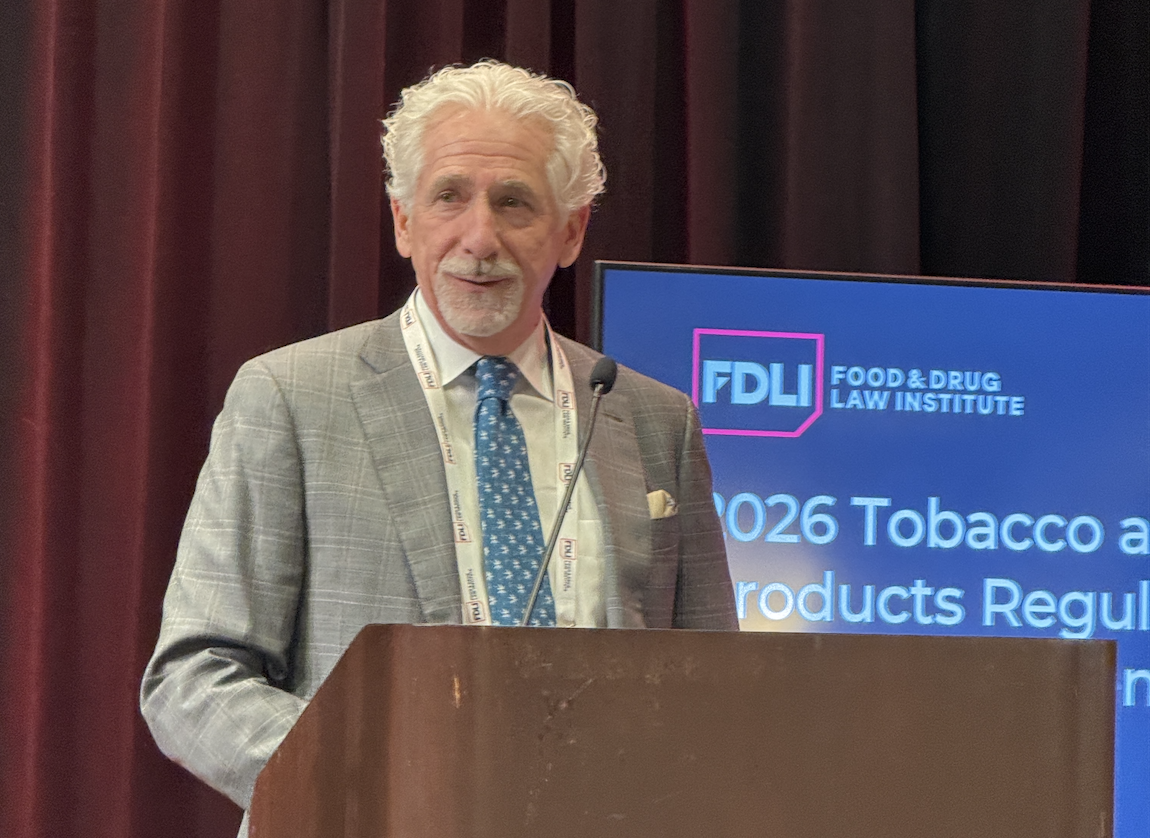
FDA CTP Director Bret Koplow used his FDLI keynote in Washington to outline how the agency is rethinking the PMTA framework. He discussed category-specific review, nicotine pouch and sPMTA pilots, AI-assisted review, a 70% reduction in pending applications, and a major staffing constraint: CTP currently has only nine scientific review teams. He also reaffirmed tobacco harm reduction while stressing youth protection, flavored products, risk communication, and the challenge of unauthorized e-cigarettes.
Regulations
Oct.06
Special Report|CrossBar's High-Puff Vapes Draw Attention on Pennsylvania's 163-Product Directory as Link Between Earlier 1.3mL PMTA Filings and New 13mL Products Remains Unclear
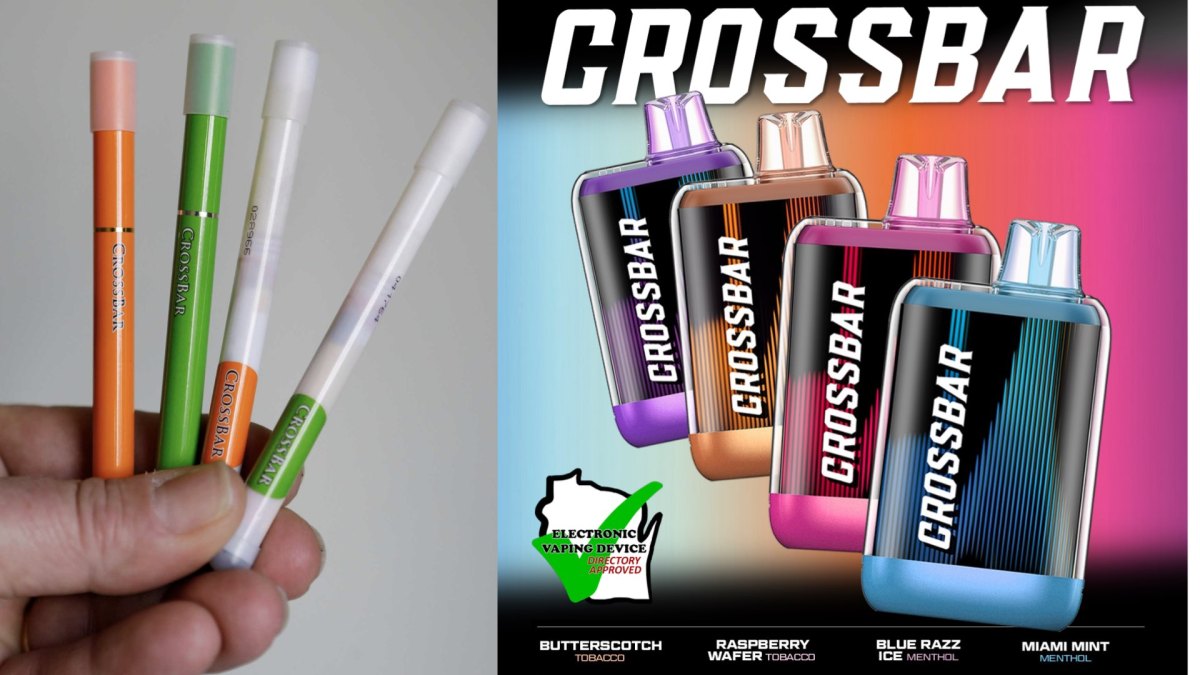
Pennsylvania began enforcing its electronic nicotine delivery system directory restrictions on October 19, 2026. Among 163 product listings recorded before enforcement, four CrossBar 20K disposables stood out with 13mL capacity, advertised puff counts of up to 20,000 and a flattened design distinct from conventional pod systems and compact disposables. Historical records identify earlier 1.3mL CrossBar products associated with Romo LLC, while newer 13mL products appeared in several state directories beginning in 2025 under entities including Blue Nine LLC. PMTA compliance expert Mr. K identified amendments and application ownership transfers as possible regulatory mechanisms, although neither has been confirmed in this case. Separately, Reynolds' $7.5 million acquisition of 16 PACHA products and related assets illustrates the commercial value of products linked to historic PMTA submissions.
Special Report
Oct.22