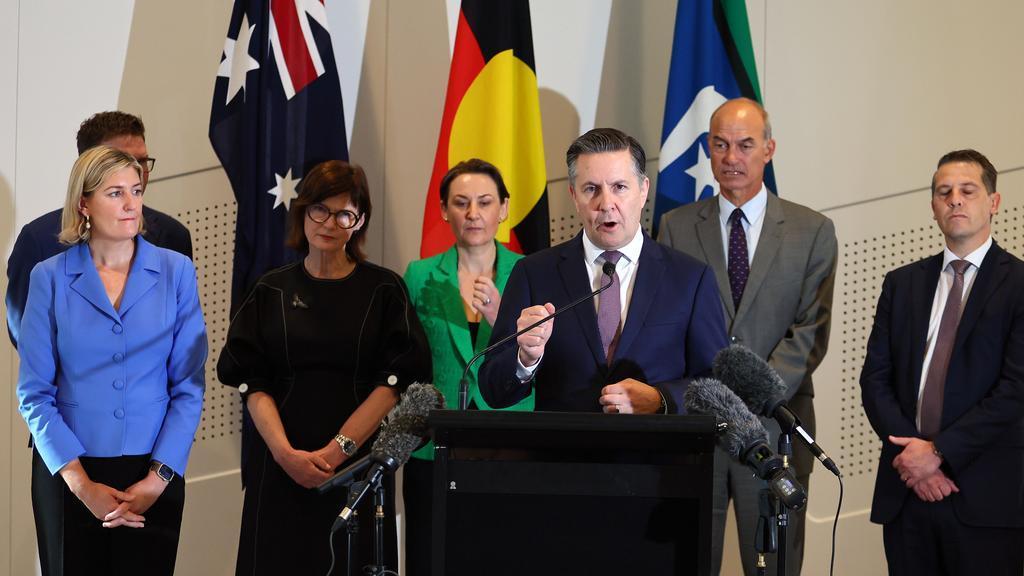
According to Australian media news on April 19th, health ministers from various states in Australia gathered in the capital of Queensland, Brisbane, to jointly call on the federal parliament to quickly pass legislation to combat e-cigarettes. Led by Australian Federal Health Minister Mark Butler, the state health ministers swore that they will "never stand idly by and allow our children to become addicted to nicotine.
Butler said: "We have never pretended that this issue would be easy. As Health Ministers, we have a responsibility to do everything in our power to prevent e-cigarettes from being supplied to our young people. E-cigarettes not only pose a public health threat to our young people and the environment, but they are also becoming a source of profit for organized crime groups.
Currently, the law is under consideration by parliamentary committees and will later be debated in the federal parliament. The bill will crack down on disposable and non-therapeutic e-cigarettes while preserving the right for patients to use therapeutic e-cigarettes.
At the same time, the minister called on colleagues in Parliament to support the work of public health agencies, health departments, and the regulatory body for therapeutic products in regulating e-cigarettes, returning them to their original intended purpose as therapeutic products.
E-cigarettes should be treated as medical products and regulated as such.
Health ministers from each state are urging parliament to uphold Australia's strict anti-smoking traditions. The Alliance party's health spokesperson, Anne Ruston, expressed concerns about the legislation.
We are concerned that strengthening the existing failed patterns will not prevent children from being exposed to e-cigarette products and will further drive these products into the black market. The government must explain how their measures will prevent children from accessing these products, will not promote the black market, how to appropriately allocate enforcement funds, and how to measure the success or failure of policies.
We welcome news tips, article submissions, interview requests, or comments on this piece.
Please contact us at info@2firsts.com, or reach out to Alan Zhao, CEO of 2Firsts, on LinkedIn
Notice
1. This article is intended solely for professional research purposes related to industry, technology, and policy. Any references to brands or products are made purely for objective description and do not constitute any form of endorsement, recommendation, or promotion by 2Firsts.
2. The use of nicotine-containing products — including, but not limited to, cigarettes, e-cigarettes, nicotine pouchand heated tobacco products — carries significant health risks. Users are responsible for complying with all applicable laws and regulations in their respective jurisdictions.
3. This article is not intended to serve as the basis for any investment decisions or financial advice. 2Firsts assumes no direct or indirect liability for any inaccuracies or errors in the content.
4. Access to this article is strictly prohibited for individuals below the legal age in their jurisdiction.
Copyright
This article is either an original work created by 2Firsts or a reproduction from third-party sources with proper attribution. All copyrights and usage rights belong to 2Firsts or the original content provider. Unauthorized reproduction, distribution, or any other form of unauthorized use by any individual or organization is strictly prohibited. Violators will be held legally accountable.
For copyright-related inquiries, please contact: info@2firsts.com
AI Assistance Disclaimer
This article may have been enhanced using AI tools to improve translation and editorial efficiency. However, due to technical limitations, inaccuracies may occur. Readers are encouraged to refer to the cited sources for the most accurate information.
We welcome any corrections or feedback. Please contact us at: info@2firsts.com