BAT Lost £3.45 billion from Selling Assets in Russia and Belarus

BAT by 2FIRSTS.ai
Feb.28.2024
BAT Lost £3.45 billion from Selling Assets in Russia and Belarus
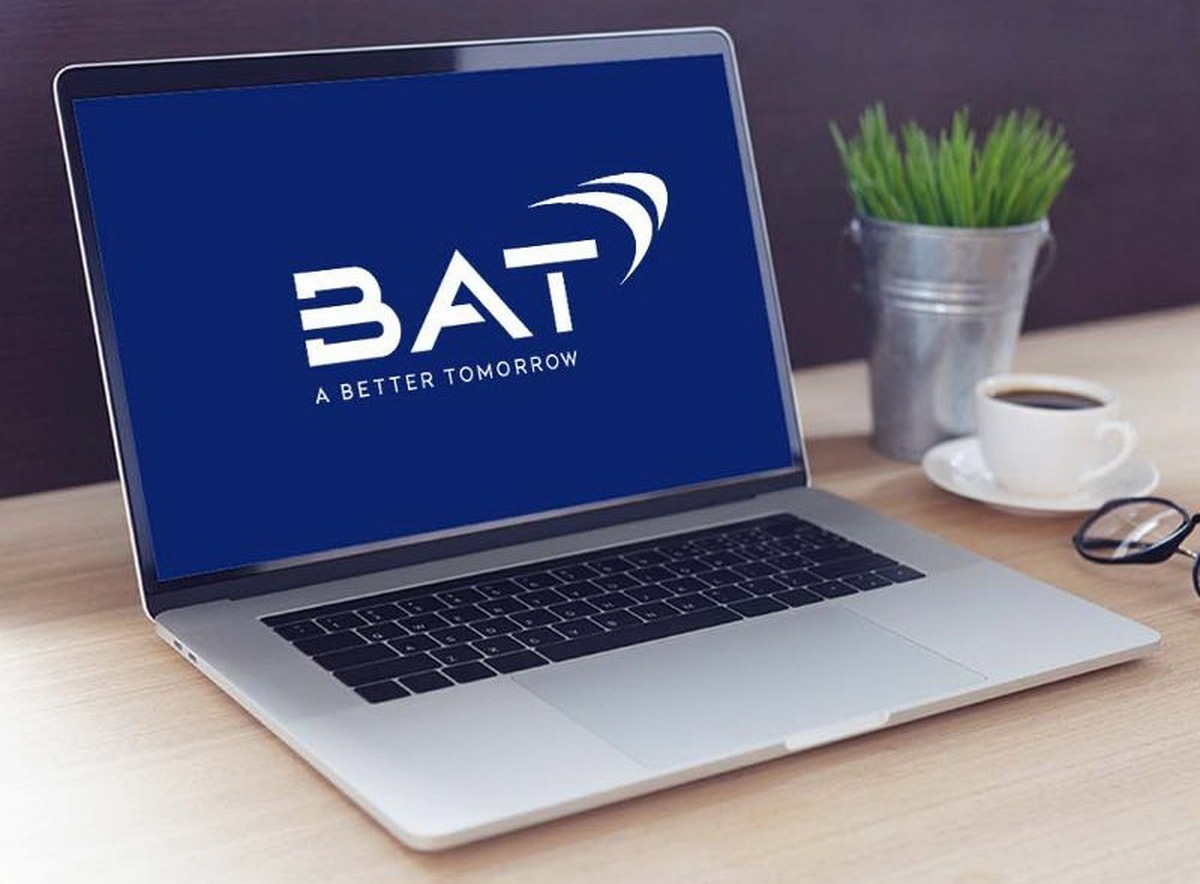
Recent evaluations by British American Tobacco reveal significant losses from selling assets in Russia and Belarus, totaling £3.45 billion.

Recently, according to Reform News, British American Tobacco assessed the losses from selling their businesses in Belarus and Russia. The company's 2023 annual report shows that their assets in Russia and Belarus were originally valued at £770 million, but were sold for £425 million, resulting in a direct trading loss of £345 million.


In September 2023, BAT sold its "BAT Russia Company" and it is now owned by ITMS Group.


We welcome news tips, article submissions, interview requests, or comments on this piece.

Please contact us at info@2firsts.com, or reach out to Alan Zhao, CEO of 2Firsts, on LinkedIn


Notice

1.  This article is intended solely for professional research purposes related to industry, technology, and policy. Any references to brands or products are made purely for objective description and do not constitute any form of endorsement, recommendation, or promotion by 2Firsts.

2.  The use of nicotine-containing products — including, but not limited to, cigarettes, e-cigarettes, nicotine pouchand heated tobacco products — carries significant health risks. Users are responsible for complying with all applicable laws and regulations in their respective jurisdictions.

3.  This article is not intended to serve as the basis for any investment decisions or financial advice. 2Firsts assumes no direct or indirect liability for any inaccuracies or errors in the content.

4.  Access to this article is strictly prohibited for individuals below the legal age in their jurisdiction.


Copyright


This article is either an original work created by 2Firsts or a reproduction from third-party sources with proper attribution. All copyrights and usage rights belong to 2Firsts or the original content provider. Unauthorized reproduction, distribution, or any other form of unauthorized use by any individual or organization is strictly prohibited. Violators will be held legally accountable.

For copyright-related inquiries, please contact: info@2firsts.com


AI Assistance Disclaimer


This article may have been enhanced using AI tools to improve translation and editorial efficiency. However, due to technical limitations, inaccuracies may occur. Readers are encouraged to refer to the cited sources for the most accurate information.

We welcome any corrections or feedback. Please contact us at: info@2firsts.com

AHA Journal Study: WS-23 Triples Premature Heartbeats, Raising Concerns Over Vape Cooling Agents
A University of Louisville research team published a study in an American Heart Association journal suggesting that synthetic cooling agents used in e-cigarettes, including WS-3 and WS-23, may disrupt cardiac electrical activity and increase arrhythmia risk. In animal experiments, WS-23 tripled premature heartbeats.
Jun.16
FIFA Bans Vaping in 2026 World Cup Stadiums, Putting Nicotine Rules in Event Compliance Focus
FIFA’s 2026 World Cup stadium rules prohibit smoking, vaping and the use of any tobacco products or electronic smoking devices inside stadiums, including inner and outer perimeters, while electronic smoking devices, tobacco products, lighters and matches are listed as prohibited items, bringing nicotine-product management, venue compliance and cross-border legal differences into focus at a major global sporting event.
Jul.06
Global Tobacco Control Faces Regional Adaptation Test as Nicotine Markets Evolve, Asian Specialist Says
As e-cigarettes, heated tobacco products and nicotine pouches expand across global markets, a central question is gaining urgency: can tobacco control rely on a universal policy model? In an interview with 2Firsts, Asian public health and addiction medicine specialist Dr. Rashidi Mohamed bin Pakri Mohamed says Western experience remains relevant, but policies must be adapted to local culture, healthcare systems, enforcement capacity, illicit markets and clinical evidence.
Jul.08
Product | Vapsolo Launches Sixer 180K, Introducing a 6-in-1 Architecture for Disposable Vapes
Vapsolo has launched the Sixer 180K, a flagship disposable vape built around a 6-in-1 architecture featuring six independent e-liquid tanks and six dedicated mesh coils. Alongside a claimed up to 180,000 puffs, the new device reflects a broader shift in disposable vape development from increasing puff counts toward modular hardware design and multi-flavor user experience.
Jul.03
UK Local Council Proposes £5 Refundable Deposit on Vape Devices
Norwich City Council is set to debate a proposed vape deposit scheme that would require consumers to pay an extra refundable £5 per device at purchase, with the money returned when the device is handed back, as recent recycling-facility fires, including a major Widnes blaze reportedly very likely caused by a vape, draw greater attention to the risks of improperly discarded lithium-battery devices.
Jul.01
Trump’s Tobacco Investments and Industry Donations Draw Scrutiny as FDA Eases Vape and Nicotine Pouch Rules
A report by KFF Health News says that as the Trump administration pursued a series of policies favorable to the nicotine and tobacco industry, President Donald Trump increased his holdings in tobacco companies while benefiting from substantial industry-linked political donations, prompting questions from public health advocates about potential conflicts of interest and regulatory direction.
Jun.12