According to local media reports, the city of Porto Velho in Brazil has now implemented regulations to control the use of e-cigarettes, along with a week-long campaign to raise awareness about the risks associated with their use. The legislation was proposed by Congressman Enfermeiro Roneudo and was approved by the Porto Velho City Council in August of this year. It has since been signed into law by Mayor Hildon Chaves.
Roni Eido emphasized the crucial importance of informing users about the dangers of using e-cigarettes. When explaining the purpose of legislation, he stated that the use of nicotine-containing e-cigarettes increases a range of serious health risks, including the inhalation of toxins resulting in seizures, addiction, and respiratory damage. He further expressed that the goal of the law is to educate citizens about the hazards of e-cigarettes, as they are detrimental to health and have the potential to lead to addiction.
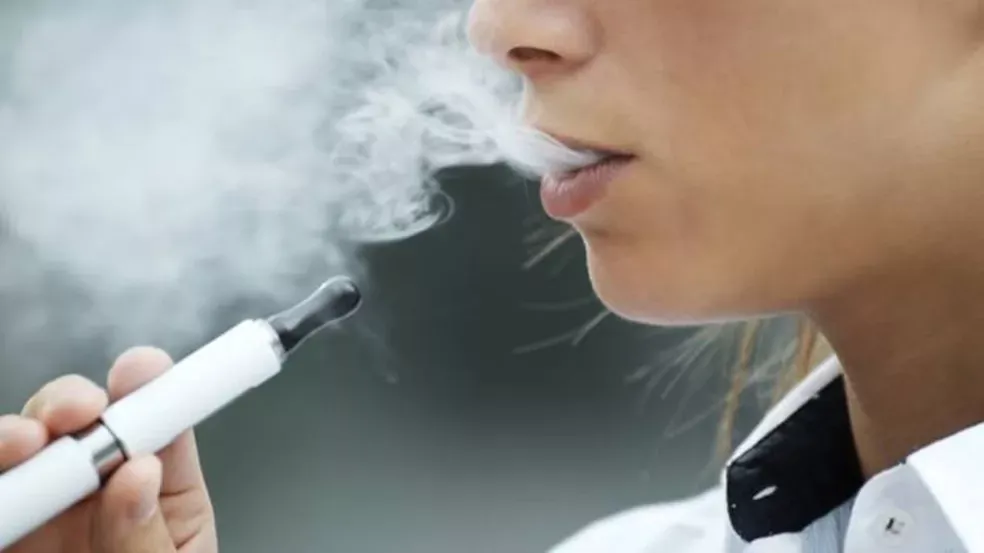
The e-cigarette, also known as an electronic vaporizer, is a device that uses electricity to vaporize e-liquid containing nicotine and other additives. Despite the ban on sales imposed by the Brazilian National Health Surveillance Agency (ANVISA), this device remains difficult to prohibit in Brazil.
E-cigarettes come in various shapes and sizes, some resembling traditional cigarettes while others resemble pens or USB devices. However, the working mechanism of all e-cigarettes is similar: a battery powers a resistor, which heats the e-cigarette liquid and generates vapor that is inhaled by the user.
While e-cigarettes were initially marketed as a safer alternative to traditional cigarettes, scientific evidence suggests that the risks associated with their use are very serious. Despite the fact that the vapor produced by e-cigarettes appears to be less harmful than the smoke from traditional tobacco, e-cigarette e-liquid still contains a significant amount of toxic and carcinogenic substances. Not only does it contain nicotine, but it also contains propylene glycol and glycerin, all of which can potentially be inhaled into the lungs and damage the respiratory system.
In addition, e-cigarettes pose other risks. Prolonged use may lead to respiratory diseases, cardiovascular diseases, and mental health issues. Improper handling of e-cigarettes can also be dangerous, such as battery overheating that may result in explosions and burns. E-cigarettes are particularly harmful to teenagers as they are in a developmental stage and more sensitive to the negative effects of smoking. The use of e-cigarettes can lead to nicotine addiction and increase the risk of future smoking-related health problems.
We welcome news tips, article submissions, interview requests, or comments on this piece.
Please contact us at info@2firsts.com, or reach out to Alan Zhao, CEO of 2Firsts, on LinkedIn
Notice
1. This article is intended solely for professional research purposes related to industry, technology, and policy. Any references to brands or products are made purely for objective description and do not constitute any form of endorsement, recommendation, or promotion by 2Firsts.
2. The use of nicotine-containing products — including, but not limited to, cigarettes, e-cigarettes, nicotine pouchand heated tobacco products — carries significant health risks. Users are responsible for complying with all applicable laws and regulations in their respective jurisdictions.
3. This article is not intended to serve as the basis for any investment decisions or financial advice. 2Firsts assumes no direct or indirect liability for any inaccuracies or errors in the content.
4. Access to this article is strictly prohibited for individuals below the legal age in their jurisdiction.
Copyright
This article is either an original work created by 2Firsts or a reproduction from third-party sources with proper attribution. All copyrights and usage rights belong to 2Firsts or the original content provider. Unauthorized reproduction, distribution, or any other form of unauthorized use by any individual or organization is strictly prohibited. Violators will be held legally accountable.
For copyright-related inquiries, please contact: info@2firsts.com
AI Assistance Disclaimer
This article may have been enhanced using AI tools to improve translation and editorial efficiency. However, due to technical limitations, inaccuracies may occur. Readers are encouraged to refer to the cited sources for the most accurate information.
We welcome any corrections or feedback. Please contact us at: info@2firsts.com