Key Takeaways
- Costa Rica’s Constitutional Court rejected a legal challenge seeking to stop the new vape regulation.
- Technical Regulation RTCR 519-2025 is set to take effect on August 6.
- The regulation bans attractive flavors and aromas such as fruit, candy and desserts.
- It sets a maximum nicotine concentration of 20 mg/ml, or 2%, for nicotine-containing products.
- The rules also restrict packaging design, cap nicotine-containing container size at 10 ml, and ban advertising, promotion and sponsorship.
2Firsts, March 20, 2026
According to the original report, Costa Rica has cleared the way for one of its strictest vape regulations after the Constitutional Court rejected an injunction that sought to stop its implementation, finding no specific violation of constitutional rights.
Constitutional Court rejects challenge and RTCR 519-2025 will take effect on August 6
The injunction had been filed by a person who said they used vape products for therapeutic purposes and argued that the new rules violated personal freedom and human rights. However, the judges concluded that the conditions required for the court to intervene and suspend the regulation had not been demonstrated.
With that ruling, Technical Regulation RTCR 519-2025, promoted by Costa Rica’s Health Ministry, remains in force. The original report said the decision also clears the way for the regulation to take effect on August 6, as planned by health authorities.
The new rules ban fruit and dessert flavors and cap nicotine at 20 mg/ml
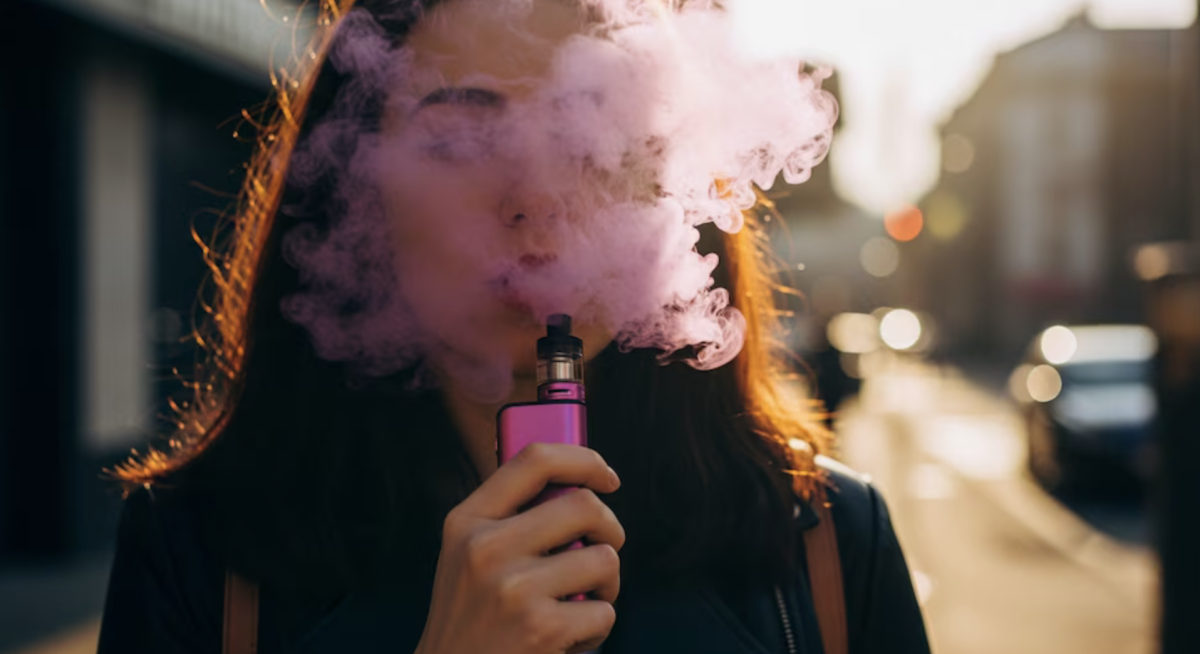
The regulation introduces a series of controls aimed at reducing the use of these devices, especially among young people. One of the main measures is the ban on attractive flavors and aromas, such as fruit, candy and desserts, which have been identified as a key factor in the popularity of vaping among adolescents.
The regulation also sets a maximum nicotine concentration of 20 milligrams per milliliter, or 2%, with the stated aim of reducing the risk of addiction and the negative effects associated with nicotine, including cardiovascular and neurological impacts.
Packaging, container size, advertising and inspections are also tightened
Another key provision restricts eye-catching packaging. Products may not include characters, figures, sports logos or designs that imitate toys or everyday items, in an effort to make them less attractive to minors.
The regulation also sets a maximum container size of 10 milliliters for nicotine-containing products and fully bans advertising, promotion and sponsorship, with the aim of preventing the normalization of these products in society.
On enforcement, the rules strengthen inspection mechanisms through inspections and random sampling at points of sale and warehouses to verify compliance.
The original report said the rejection of the injunction represents legal backing for the public policy promoted by the Health Ministry. It also said the decision reinforces the state’s authority to regulate products that may pose a public health risk, even in the face of arguments based on individual freedom.
Image source: Infobae
We welcome news tips, article submissions, interview requests, or comments on this piece.
Please contact us at info@2firsts.com, or reach out to Alan Zhao, CEO of 2Firsts, on LinkedIn
Notice
1. This article is intended solely for professional research purposes related to industry, technology, and policy. Any references to brands or products are made purely for objective description and do not constitute any form of endorsement, recommendation, or promotion by 2Firsts.
2. The use of nicotine-containing products — including, but not limited to, cigarettes, e-cigarettes, nicotine pouchand heated tobacco products — carries significant health risks. Users are responsible for complying with all applicable laws and regulations in their respective jurisdictions.
3. This article is not intended to serve as the basis for any investment decisions or financial advice. 2Firsts assumes no direct or indirect liability for any inaccuracies or errors in the content.
4. Access to this article is strictly prohibited for individuals below the legal age in their jurisdiction.
Copyright
This article is either an original work created by 2Firsts or a reproduction from third-party sources with proper attribution. All copyrights and usage rights belong to 2Firsts or the original content provider. Unauthorized reproduction, distribution, or any other form of unauthorized use by any individual or organization is strictly prohibited. Violators will be held legally accountable.
For copyright-related inquiries, please contact: info@2firsts.com
AI Assistance Disclaimer
This article may have been enhanced using AI tools to improve translation and editorial efficiency. However, due to technical limitations, inaccuracies may occur. Readers are encouraged to refer to the cited sources for the most accurate information.
We welcome any corrections or feedback. Please contact us at: info@2firsts.com