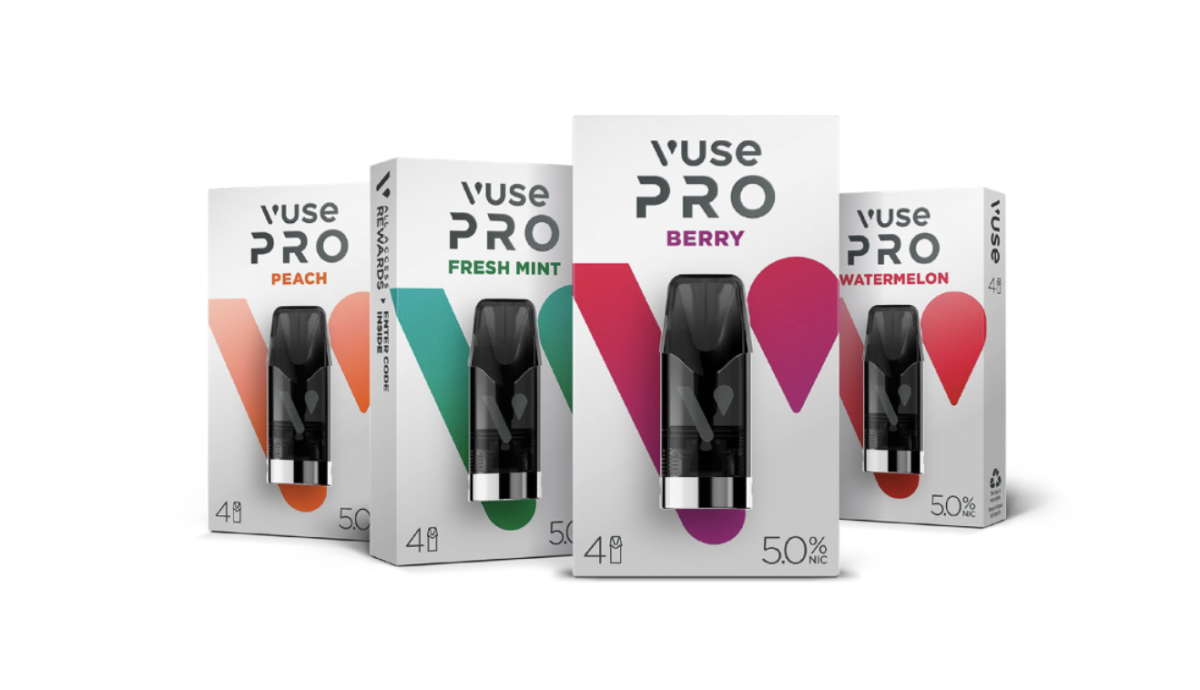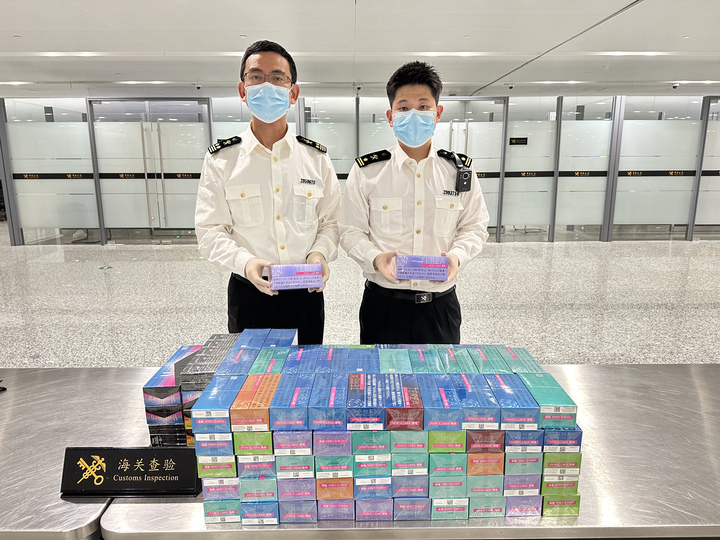
According to a recent report by Chao News, Hangzhou Xiaoshan Airport Customs at the Hangzhou airport port intercepted a passenger attempting to smuggle an excessive amount of e-cigarette pods and cigarettes into the country. A total of 144 electronic pods, totaling 28,800 pieces, and 11 packs of cigarettes, totaling 2,200 sticks, were seized at the scene.
Recently, customs officers at Hangzhou Xiaoshan Airport discovered abnormalities in the X-ray images of luggage belonging to a passenger who entered the country through the "nothing to declare" channel. Upon further inspection, it was found that the passenger was carrying electronic pods and cigarettes in their suitcases and handbags.
Customs reminds: cigarettes are items restricted from entering the country. Travelers from Hong Kong, Macau, and mainland residents traveling to Hong Kong or Macau for personal reasons can bring in 200 cigarettes, 50 cigars, or 250 grams of tobacco without paying duty. Other travelers (excluding frequent travelers to Hong Kong or Macau, frequent cross-border travelers, and border residents) can bring in 400 cigarettes, 100 cigars, or 500 grams of tobacco duty-free. Before shopping overseas, travelers should be aware of the country's regulations on imported goods to avoid committing illegal acts, or even smuggling crimes.
In addition, according to the General Administration of Customs' Announcement No. 102 of 2022, passengers entering the country can carry 2 tobacco products duty-free; e-cigarette pods (liquid atomized substances) or combination products sold with pods and tobacco (including disposable e-cigarettes) up to 6, with a total e-liquid capacity not exceeding 12 milliliters. Passengers traveling to and from Hong Kong and Macau can carry 1 tobacco product duty-free; e-cigarette pods (liquid atomized substances) or combination products sold with pods and tobacco (including disposable e-cigarettes) up to 3, with a total e-liquid capacity not exceeding 6 milliliters. E-cigarettes without marked e-liquid capacity are prohibited from being carried into the country. Passengers under 16 years old are prohibited from carrying e-cigarettes into the country. If passengers exceed the specified quantity or capacity when carrying e-cigarettes into the country, customs will take legal action.
We welcome news tips, article submissions, interview requests, or comments on this piece.
Please contact us at info@2firsts.com, or reach out to Alan Zhao, CEO of 2Firsts, on LinkedIn
Notice
1. This article is intended solely for professional research purposes related to industry, technology, and policy. Any references to brands or products are made purely for objective description and do not constitute any form of endorsement, recommendation, or promotion by 2Firsts.
2. The use of nicotine-containing products — including, but not limited to, cigarettes, e-cigarettes, nicotine pouchand heated tobacco products — carries significant health risks. Users are responsible for complying with all applicable laws and regulations in their respective jurisdictions.
3. This article is not intended to serve as the basis for any investment decisions or financial advice. 2Firsts assumes no direct or indirect liability for any inaccuracies or errors in the content.
4. Access to this article is strictly prohibited for individuals below the legal age in their jurisdiction.
Copyright
This article is either an original work created by 2Firsts or a reproduction from third-party sources with proper attribution. All copyrights and usage rights belong to 2Firsts or the original content provider. Unauthorized reproduction, distribution, or any other form of unauthorized use by any individual or organization is strictly prohibited. Violators will be held legally accountable.
For copyright-related inquiries, please contact: info@2firsts.com
AI Assistance Disclaimer
This article may have been enhanced using AI tools to improve translation and editorial efficiency. However, due to technical limitations, inaccuracies may occur. Readers are encouraged to refer to the cited sources for the most accurate information.
We welcome any corrections or feedback. Please contact us at: info@2firsts.com