According to a report by Tribunnews on May 22, the new health regulation proposed by the Indonesian government, known as the Government Health Regulations draft (RPP), has garnered attention from micro, small, and medium enterprises (UMKM).
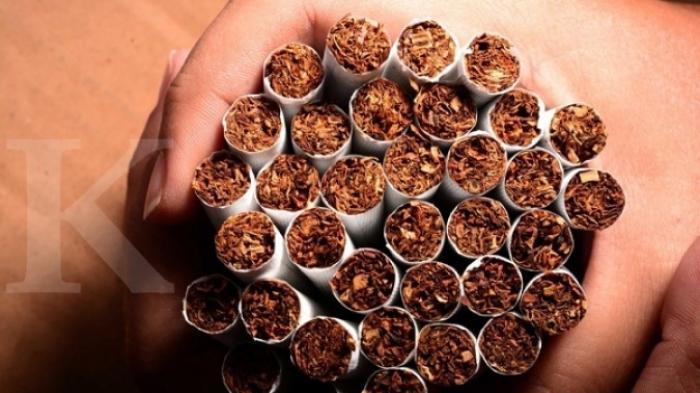
Specific provisions of this new regulation include a ban on the sale of tobacco products within 200 meters of educational institutions.
The chairman of the Indonesian People's Economic Committee (Komite Ekonomi Rakyat Indonesia, KERIS) and the chairman of the Street Vendor Association (Asosiasi Pedagang Kaki Lima Perjuangan, APKLI Perjuangan), Ali Mahsun Atmo, stated that the Indonesian government needs to reach a consensus with stakeholders on the tobacco regulations in the RPP when formulating these regulations.
Merchants in the area are no longer allowed to sell tobacco, even though tobacco is a legal product with a minimum purchasing age restriction. This will have a significant impact on the business operations of the affected small shop owners.
A vendor who runs a small shop in the southern part of Jakarta expressed concern that the regulation banning the sale of tobacco products within 200 meters of educational institutions is discriminatory and will greatly impact their business. Furthermore, the vendors are unfamiliar with this new regulation, which could potentially lead to miscommunication with officials responsible for enforcing it.
We welcome news tips, article submissions, interview requests, or comments on this piece.
Please contact us at info@2firsts.com, or reach out to Alan Zhao, CEO of 2Firsts, on LinkedIn
Notice
1. This article is intended solely for professional research purposes related to industry, technology, and policy. Any references to brands or products are made purely for objective description and do not constitute any form of endorsement, recommendation, or promotion by 2Firsts.
2. The use of nicotine-containing products — including, but not limited to, cigarettes, e-cigarettes, nicotine pouchand heated tobacco products — carries significant health risks. Users are responsible for complying with all applicable laws and regulations in their respective jurisdictions.
3. This article is not intended to serve as the basis for any investment decisions or financial advice. 2Firsts assumes no direct or indirect liability for any inaccuracies or errors in the content.
4. Access to this article is strictly prohibited for individuals below the legal age in their jurisdiction.
Copyright
This article is either an original work created by 2Firsts or a reproduction from third-party sources with proper attribution. All copyrights and usage rights belong to 2Firsts or the original content provider. Unauthorized reproduction, distribution, or any other form of unauthorized use by any individual or organization is strictly prohibited. Violators will be held legally accountable.
For copyright-related inquiries, please contact: info@2firsts.com
AI Assistance Disclaimer
This article may have been enhanced using AI tools to improve translation and editorial efficiency. However, due to technical limitations, inaccuracies may occur. Readers are encouraged to refer to the cited sources for the most accurate information.
We welcome any corrections or feedback. Please contact us at: info@2firsts.com