Kentucky Implements New Regulations on E-cigarette Sales as of Today

Jan.02.2025
Kentucky Implements New Regulations on E-cigarette Sales as of Today
Kentucky's new e-cigarette regulations take effect, limiting sales to FDA-approved products to curb youth usage. Retailers face challenges.

According to a report from Newsbreak on January 2nd, a new regulation on e-cigarette use in the state of Kentucky, USA, has officially taken effect starting today. The legislation, known as the Senate Bill 11 passed in April, aims to curb the use of e-cigarettes among young people in the state. Currently, retailers in Kentucky are only allowed to sell specific e-cigarette products.


Some retailers have stated that they are facing major challenges due to the fact that the 11th bill only allows the sale of e-cigarette products approved by the US FDA.


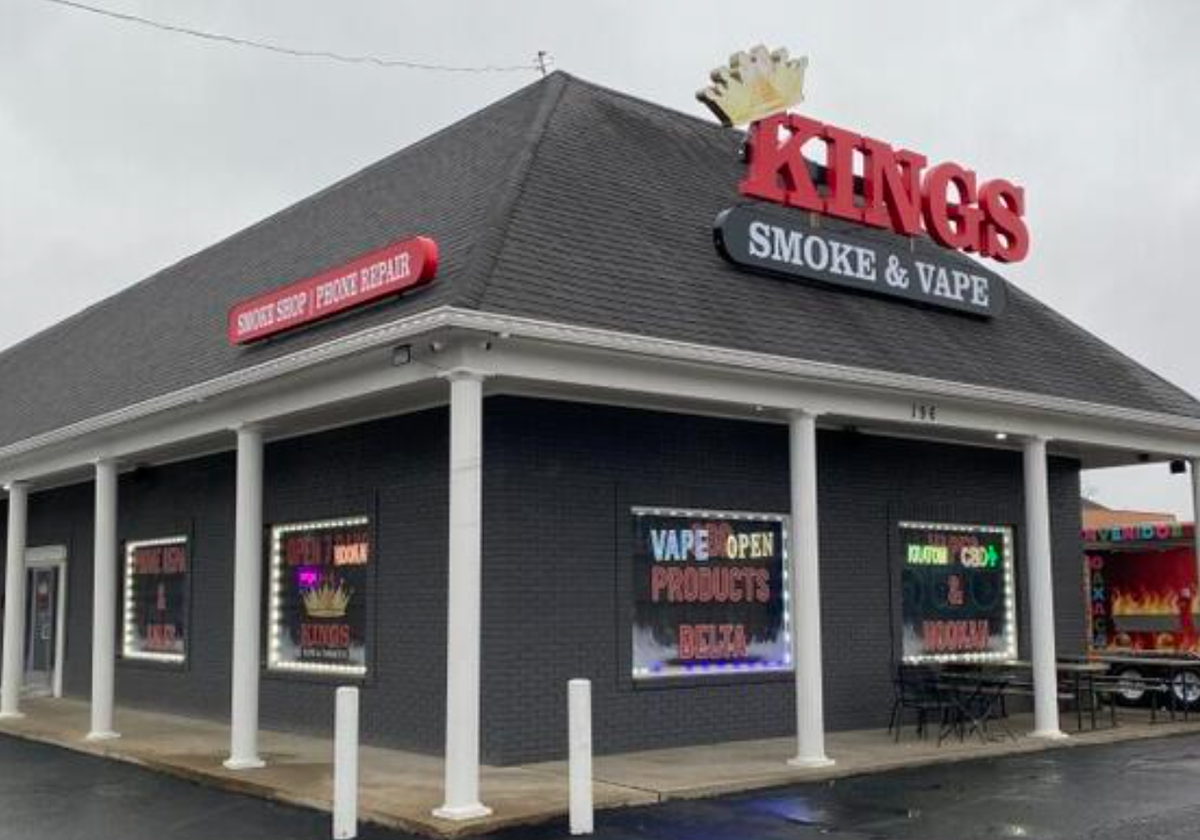
Ali Mazab, the owner of Kings Vape and Tobacco, stated that due to the implementation of the law, he had to remove about 80% of his inventory and was forced to choose stock from a limited list of e-cigarette options.


Mazabu is planning to seek new ways of doing business,


This will not stop us. We will continue to fight.


A new study by The Freedom Center reveals that Kentucky is the seventh highest state in the United States for teenage e-cigarette usage.


On April 5, 2024, Governor Andy Beshear of Kentucky officially signed the 11th bill, making the state the sixth to implement the PMTA registration law. The law will prohibit the sale of e-cigarette products not authorized by the FDA for marketing. The regulation will go into effect on January 1, 2025.


We welcome news tips, article submissions, interview requests, or comments on this piece.

Please contact us at info@2firsts.com, or reach out to Alan Zhao, CEO of 2Firsts, on LinkedIn


Notice

1.  This article is intended solely for professional research purposes related to industry, technology, and policy. Any references to brands or products are made purely for objective description and do not constitute any form of endorsement, recommendation, or promotion by 2Firsts.

2.  The use of nicotine-containing products — including, but not limited to, cigarettes, e-cigarettes, nicotine pouchand heated tobacco products — carries significant health risks. Users are responsible for complying with all applicable laws and regulations in their respective jurisdictions.

3.  This article is not intended to serve as the basis for any investment decisions or financial advice. 2Firsts assumes no direct or indirect liability for any inaccuracies or errors in the content.

4.  Access to this article is strictly prohibited for individuals below the legal age in their jurisdiction.


Copyright


This article is either an original work created by 2Firsts or a reproduction from third-party sources with proper attribution. All copyrights and usage rights belong to 2Firsts or the original content provider. Unauthorized reproduction, distribution, or any other form of unauthorized use by any individual or organization is strictly prohibited. Violators will be held legally accountable.

For copyright-related inquiries, please contact: info@2firsts.com


AI Assistance Disclaimer


This article may have been enhanced using AI tools to improve translation and editorial efficiency. However, due to technical limitations, inaccuracies may occur. Readers are encouraged to refer to the cited sources for the most accurate information.

We welcome any corrections or feedback. Please contact us at: info@2firsts.com

UAE Sets Dh1-Per-ml Minimum Excise Price for Vape Liquids From Sept. 1 While Keeping 100% Tax Rate
The UAE Ministry of Finance will introduce a minimum excise price for e-liquids used in vaping and electronic smoking devices from September 1, 2026. The minimum excise price will be set at AED 1 per millilitre. The existing 100% excise tax rate will continue to apply to tobacco and electronic smoking products. The measure changes the minimum taxable base rather than the tax rate, with the UAE government saying it aims to establish unified tax standards, improve market compliance and prevent pricing loopholes.
Regulations
Aug.07 by 2Firsts Perspectives
From Nicotine Salts to Cocrystals: China’s Shenzhen Huabao institute explores a more stable form for sustained nicotine release
China-based Shenzhen Huabao Collaborative Innovation Technology Research Institute Co., Ltd. has filed a patent application for a nicotine-ascorbic acid cocrystal, exploring a new solid-state form of nicotine. The patent proposes applications across e-liquids, heated tobacco sticks, oral tobacco, chewing tobacco and snuff. In nicotine pouch tests disclosed in the filing, cocrystal formulations showed less than a 6% decline in nicotine content after three months of accelerated storage and a release profile combining early-stage release with sustained delivery over 60 minutes. The filing reflects exploration of nicotine forms beyond conventional nicotine base and nicotine salts.
Aug.13
Philippines Weighs Unified Vape Tax as Lawmakers Back Risk-Based Rates and Government Seeks to Fill ₱66 Billion Revenue Gap
Philippine lawmakers are considering an overhaul of the country's vape excise-tax regime to eliminate the wide gap between taxes on nicotine salt and freebase nicotine liquids and reduce incentives for misdeclaration. House Bill 5364, filed by Rep. Rufus Rodriguez and Rep. Maximo Rodriguez Jr., would impose a unified ₱10-per-milliliter tax on vapor products, with 5% annual increases beginning in 2027. Rodriguez says the proposal could generate an average ₱6 billion in annual collections from 2027 through 2030. The debate comes as the Philippine government considers tobacco, vape and other health-tax reforms to help offset around ₱66 billion in revenue expected to be forgone under a proposed tax-relief package.
Aug.18
Product | JT Launches Ploom AURA Glacier White in Japan, Expanding the Device Ecosystem Through Color and Accessories
Japan Tobacco Inc. (JT) has introduced the Ploom AURA Glacier White heated tobacco device in Japan, adding a new color option to the existing Ploom AURA lineup. The device maintains the existing SMART HEATFLOW technology and HEAT SELECT SYSTEM with four heating modes, while expanding the ecosystem through new accessories including front panels, back covers, a car holder and wireless charging covers. The product entered pre-sale in Japan on June 30, 2026, followed by broader retail availability from July 7.
Aug.03
KT&G’s Lil Strengthens Market Lead in Korea as Heated Tobacco Share Reaches 47.4%
According to South Korea’s UpKorea, KT&G’s heated tobacco brand Lil reached a 47.4% share of Korea’s heated tobacco stick market in the first quarter of 2026. The company is expanding its next-generation products (NGP) business through product development, technology investment and overseas growth. KT&G reported NGP sales of 890.1 billion won (approximately US$650 million) in 2025, up significantly from 279.3 billion won in 2020. Lil products are now available in 34 markets, while KT&G continues building its technology portfolio through patents and multiple product platforms.
Jul.23
Malaysia Withdraws Appeal Against Liquid Nicotine Ruling as Vape Regulation Framework Enters New Phase
Malaysia’s government has withdrawn its appeal against a High Court ruling concerning the regulatory status of liquid nicotine used in vape and e-cigarette products, according to reports by New Straits Times, Free Malaysia Today and CodeBlue on August 18, 2026. The Kuala Lumpur High Court ruled on May 15 that the government’s decision to remove liquid nicotine from the scheduled poisons list under the Poisons Act 1952 was irrational and made without proper consultation with the Poisons Board. The withdrawal ends the government’s appeal process, while the future regulatory framework for nicotine vape products remains under discussion.
Aug.21