Malaysia Health Ministry Prepares to Reconsider Full E-Cigarette Ban

Feb.08.2025
Malaysia Health Ministry Prepares to Reconsider Full E-Cigarette Ban
Health Ministry prepares to reconsider nationwide e-cigarette ban in Malaysia, with strict regulations already leading to 80% products removed.

According to NST recent report, the Malaysian Health Minister stated that the Health Ministry is prepared to reconsider the possibility of implementing a nationwide ban on e-cigarettes if the situation warrants it.


The Health Minister of the country, Datuk Seri Dr Dzulkefly Ahmad, stated that the current priority is to regulate and control the use of e-cigarettes through strict measures, including mandatory product registration. This requirement has led to 80% of e-cigarette products being removed from the market.


The Minister pointed out that although there seems to be a lack of "political will" to implement a comprehensive ban like neighboring countries have done on this issue, he believes that it will be addressed based on the country's specific circumstances. If necessary, the Ministry of Health will re-examine the issue, as suggested by Afiq Mohd Nor, the chairman of the Ikram Health Association in Malaysia, and a comprehensive ban may be implemented.


Zulkefli emphasized that he currently needs to convince civil society groups to trust existing regulations. The Prime Minister's Senior Political Secretary, Datuk Seri Shamsul Iskandar Md Akin, stated that Malaysia missed the opportunity to introduce similar restrictions as Singapore, Thailand, and Brunei, and as early as 2015, the Health Minister proposed a plan for a total ban, all of which failed. However, he pointed out that with the implementation of the Tobacco Control Act, the government will continue to focus on strict enforcement of regulations.


We welcome news tips, article submissions, interview requests, or comments on this piece.

Please contact us at info@2firsts.com, or reach out to Alan Zhao, CEO of 2Firsts, on LinkedIn


Notice

1.  This article is intended solely for professional research purposes related to industry, technology, and policy. Any references to brands or products are made purely for objective description and do not constitute any form of endorsement, recommendation, or promotion by 2Firsts.

2.  The use of nicotine-containing products — including, but not limited to, cigarettes, e-cigarettes, nicotine pouchand heated tobacco products — carries significant health risks. Users are responsible for complying with all applicable laws and regulations in their respective jurisdictions.

3.  This article is not intended to serve as the basis for any investment decisions or financial advice. 2Firsts assumes no direct or indirect liability for any inaccuracies or errors in the content.

4.  Access to this article is strictly prohibited for individuals below the legal age in their jurisdiction.


Copyright


This article is either an original work created by 2Firsts or a reproduction from third-party sources with proper attribution. All copyrights and usage rights belong to 2Firsts or the original content provider. Unauthorized reproduction, distribution, or any other form of unauthorized use by any individual or organization is strictly prohibited. Violators will be held legally accountable.

For copyright-related inquiries, please contact: info@2firsts.com


AI Assistance Disclaimer


This article may have been enhanced using AI tools to improve translation and editorial efficiency. However, due to technical limitations, inaccuracies may occur. Readers are encouraged to refer to the cited sources for the most accurate information.

We welcome any corrections or feedback. Please contact us at: info@2firsts.com

Russia’s Vape Device Labeling Regime Enters Force: Registration Starts in September, Mandatory Coding in December
Russia's digital labeling regime for reusable e-cigarettes and similar personal vaping devices entered its first mandatory phase in September 2026. From September 1, manufacturers, importers and other market participants must register with the national Chestny ZNAK tracking system. From December 1, newly manufactured and imported covered devices will be required to carry digital identification codes and be reported as entering circulation. Russia has also issued new operational guidance for imports, marking the transition from a voluntary pilot to phased mandatory implementation.
Sep.15
Special Report | Altria Subsidiaries Sue FDA to Vacate 2021 PMTA Rule as Agency Moves to Speed Reviews
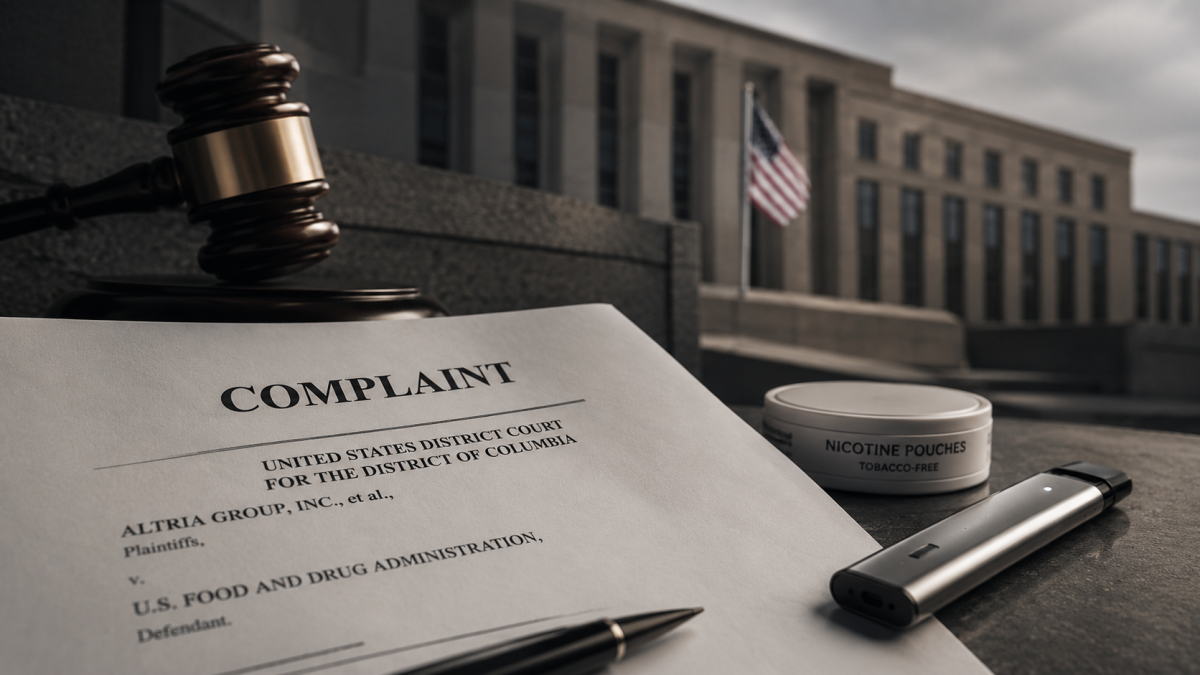
2Firsts reviewed the original federal court complaint filed by Altria subsidiaries Helix Innovations and NJOY on Sept. 2 challenging FDA’s 2021 PMTA rule. The lawsuit questions whether FDA’s review process complies with the Tobacco Control Act’s 180-day timeline, even as the agency moves to accelerate PMTA reviews and issues more marketing orders. Drawing on the complaint, FDA records, government audits and recent court rulings, 2Firsts examines the legal arguments, supporting evidence and potential implications for the U.S. tobacco review system.
Regulations
Sep.03
Australia Tobacco Tax Debate Spreads Within Labor as NSW Premier Minns Reaffirms Support for a Cut
Australia’s tobacco excise debate is increasingly exposing differences within the governing Labor Party. New South Wales Labor Premier Chris Minns reaffirmed on September 8 that he supports reducing tobacco excise, arguing that current tax settings are pushing consumers toward cheaper black-market cigarettes. Federal Health Minister Mark Butler continues to oppose an excise cut, while Treasurer Jim Chalmers and Assistant Treasurer Daniel Mulino have recently stopped short of ruling out future changes. The divergence follows the opposition Coalition’s proposal to cut tobacco excise by 80%.
Sep.08
Product | PMI Japan Expands ZYN by IQOS Strength Portfolio With Strong Series, Increasing Lineup to 12 Products
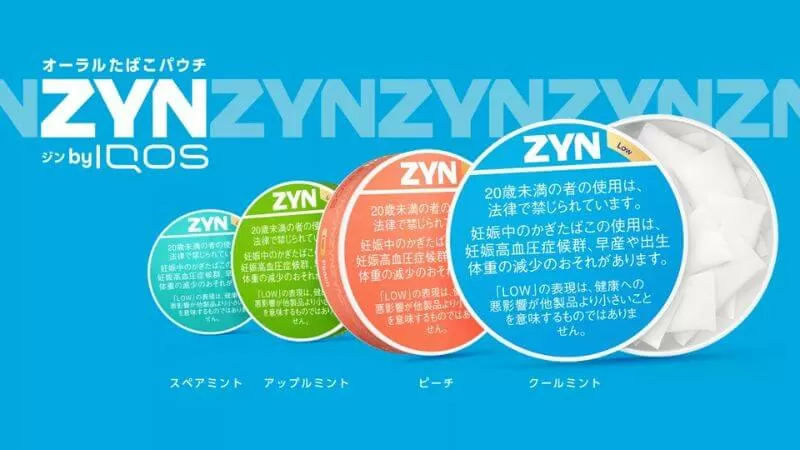
Philip Morris Japan (PMJ) has expanded the ZYN by IQOS oral tobacco pouch portfolio in Japan with four new ZYN Strong products, adding a third intensity level alongside the existing Low and Medium ranges. The Strong series first entered selected duty-free channels in Japan on July 1, 2026, before expanding to IQOS stores, the ZYN Online Store and selected tobacco retailers from August 18. The expansion increases the Japanese ZYN by IQOS lineup from eight to 12 products.
Aug.20
JUUL Purchasers Ask Ninth Circuit to Preserve Antitrust Classes in Case Over Altria’s $12.8 Billion Investment
Private antitrust litigation stemming from Altria's 2018 $12.8 billion investment for a 35% economic interest in JUUL is advancing before the U.S. Court of Appeals for the Ninth Circuit. Direct purchasers, indirect purchasers and indirect resellers of JUUL products filed answering briefs this week seeking to preserve class certifications granted by a California federal court in February. Altria and JUUL argue that individual consumers and large distributors differ too much in purchasing terms to remain in a single direct-purchaser class, while a separate dispute concerns whether California antitrust law can apply to indirect purchasers across 27 jurisdictions. A September trial has been put on hold during the appeal.
Sep.23
Canada Considers Easing Pharmacy-Only Nicotine Pouch Sales Rules, Potentially Reopening Convenience Store Channel
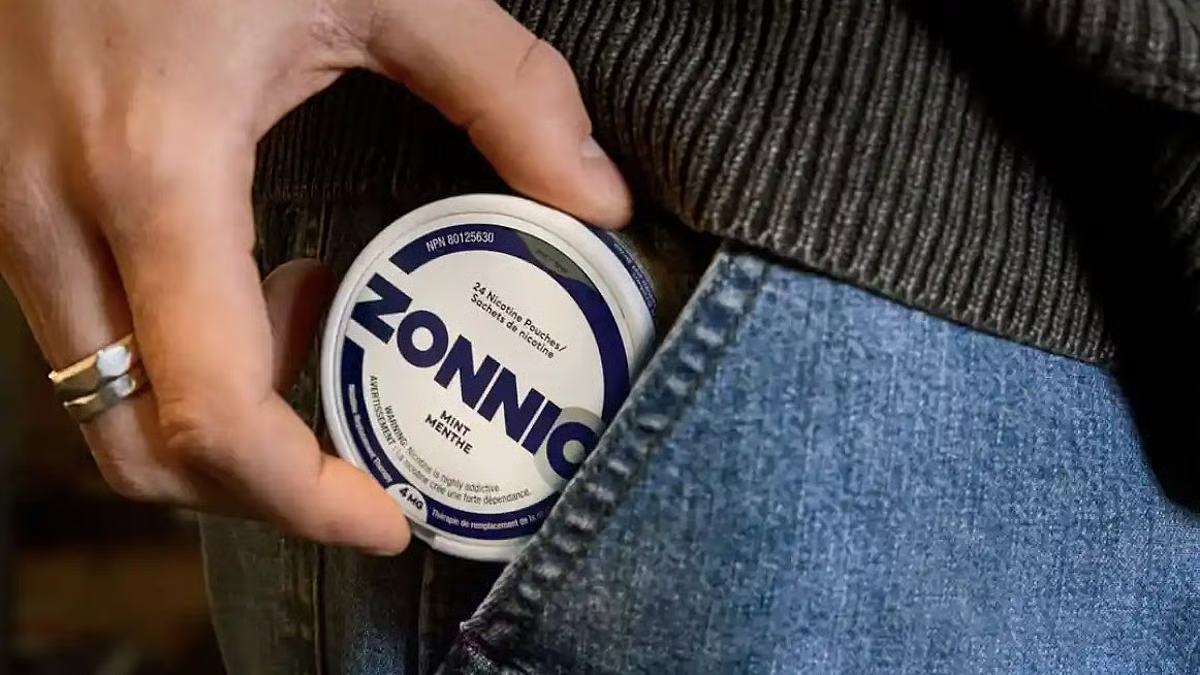
Canada's federal government is considering changes to current restrictions on where nicotine pouches can be sold, potentially allowing authorized products to return to convenience stores and other general retail channels, although no decision has been made. Since 2024, emerging nicotine replacement therapy products such as nicotine pouches have been largely restricted to behind-the-counter pharmacy sales. Health Canada, meanwhile, continues to recall unauthorized and higher-strength nicotine pouches, indicating that the current discussion concerns retail access for authorized products rather than a broad relaxation of nicotine pouch regulation.
Sep.14