NFL player Baker Mayfield caught using nicotine pouches on the field

Oct.23.2024
NFL player Baker Mayfield caught using nicotine pouches on the field
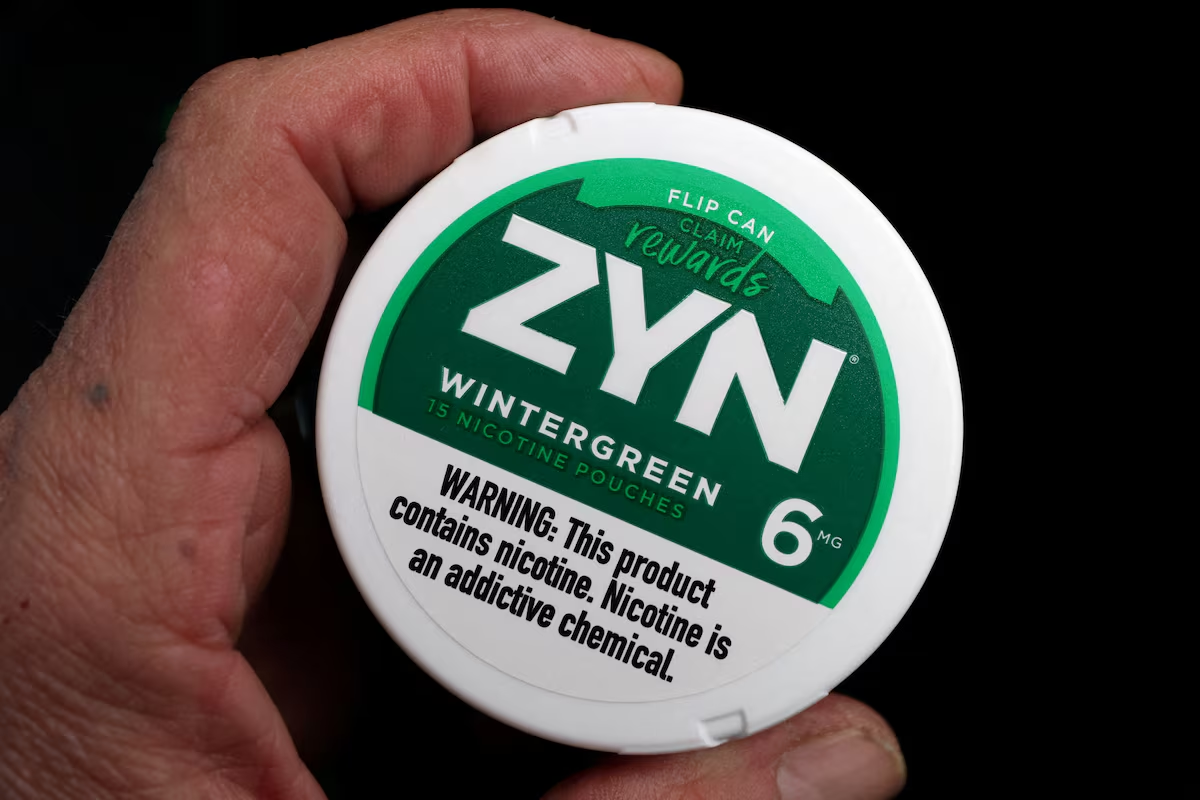
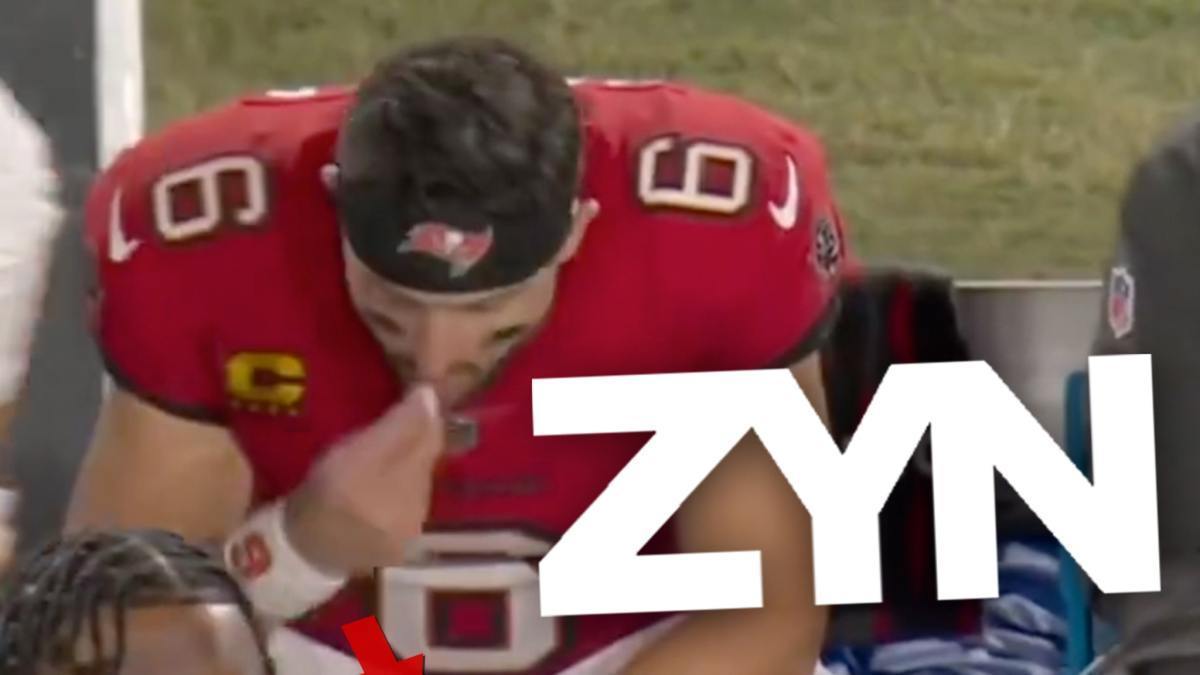
An American football player was seen using ZYN nicotine pouches during a game. Swedish Match reacted cautiously, emphasising that the product is only intended for consumers over the age of 21 and reminding young people not to imitate such behaviour.

American football player Baker Mayfield was caught using a ZYN nicotine pouch during the Monday Night Football game, according to TMZ Sports on 22 October. The manufacturer of the product, Swedish Match, reacted cautiously to the unexpected exposure.


A spokesperson for ZYN told TMZ Sports: "The company is very grateful for the support of loyal consumers, but also encourages users to ensure that the products are not in the presence of minors under the age of 21."


"This product is specifically marketed to nicotine users aged 21 and older as a better alternative to continued smoking and the use of other traditional tobacco products. However, "Monday Night Football" attracts a large audience every week and not all football fans are 21 years old.


In addition, the National Football League (NFL) policy specifically states that players may not use alcohol or tobacco products on the field or during interviews. Technically, this includes nicotine delivery devices such as ZYN.


Meadfield has not yet commented on the matter. The Swedish match manufacturer hopes that in the future no minors will imitate the player.


We welcome news tips, article submissions, interview requests, or comments on this piece.

Please contact us at info@2firsts.com, or reach out to Alan Zhao, CEO of 2Firsts, on LinkedIn


Notice

1.  This article is intended solely for professional research purposes related to industry, technology, and policy. Any references to brands or products are made purely for objective description and do not constitute any form of endorsement, recommendation, or promotion by 2Firsts.

2.  The use of nicotine-containing products — including, but not limited to, cigarettes, e-cigarettes, nicotine pouchand heated tobacco products — carries significant health risks. Users are responsible for complying with all applicable laws and regulations in their respective jurisdictions.

3.  This article is not intended to serve as the basis for any investment decisions or financial advice. 2Firsts assumes no direct or indirect liability for any inaccuracies or errors in the content.

4.  Access to this article is strictly prohibited for individuals below the legal age in their jurisdiction.


Copyright


This article is either an original work created by 2Firsts or a reproduction from third-party sources with proper attribution. All copyrights and usage rights belong to 2Firsts or the original content provider. Unauthorized reproduction, distribution, or any other form of unauthorized use by any individual or organization is strictly prohibited. Violators will be held legally accountable.

For copyright-related inquiries, please contact: info@2firsts.com


AI Assistance Disclaimer


This article may have been enhanced using AI tools to improve translation and editorial efficiency. However, due to technical limitations, inaccuracies may occur. Readers are encouraged to refer to the cited sources for the most accurate information.

We welcome any corrections or feedback. Please contact us at: info@2firsts.com

Bringing Tax and Insurance Into Nicotine Regulation: Insights From a Tobacco Harm-Reduction Report
A smoke-free nicotine policy report argues that tobacco harm reduction should move beyond product bans and health warnings into tax policy, insurance pricing and risk-based regulation. While some projections remain open to debate, the report highlights a wider challenge: nicotine products, technologies and consumer behavior have changed sharply over the past decade, and regulatory systems may need new tools to better align tobacco control with harm-reduction goals.
Jun.08
Altria’s USSTC to Close Nashville Plant and Shift Operations to Kentucky by 2028
U.S. Smokeless Tobacco Company (USSTC), a subsidiary of Altria Group, announced plans to close its Nashville manufacturing facility by 2028 and consolidate production operations at a new facility in Hopkinsville, Kentucky.
Market
Jun.02
Malaysian Court Rules Liquid Nicotine Exemption Irrational, Renewing Vape Regulation Debate
Malaysia’s High Court ruled that the government’s earlier decision to remove liquid nicotine from the country’s Poisons List was “irrational,” reigniting debate over vape regulation, illicit trade, and youth protection.
Regulations
May.18
 Former DHS Spokesperson Analyzes CBP’s $175 Million Illegal Vape Seizure
Former DHS Spokesperson Analyzes CBP’s $175 Million Illegal Vape Seizure
The Washington Examiner published an opinion article by Tricia McLaughlin, former Assistant Secretary for Public Affairs and spokesperson at the U.S. Department of Homeland Security, arguing that the Trump administration is strengthening enforcement against illegal vape supply chains through the FDA, CBP, and DHS.
Regulations
May.25
Argentina Issues Resolution 549/2026 to Regulate Vapes, Heated Tobacco and Nicotine Pouches
Argentina’s government has created a comprehensive regulatory framework for nicotine products, including vapes, heated tobacco and nicotine pouches, through Resolution 549/2026 published in the Official Gazette. The new regulation ends the previous prohibitive framework and establishes rules to organize the market by requiring traceability, quality standards and mandatory registration for all manufacturers and retailers operating in the country.
May.06 by 2FIRSTS.ai
FDA Warns Retailers Over Unauthorized Nicotine Pouches Resembling Candy and Everyday Products
The FDA issued warning letters to eight retailers selling unauthorized nicotine pouches and dissolvable tobacco products resembling candy, breath strips and cough drops. The action highlights rising scrutiny of packaging, youth appeal and accidental ingestion risks, as the agency clarifies enforcement priorities for unauthorized ENDS and nicotine pouch products while maintaining PMTA as the legal market pathway.
Special Report
May.21