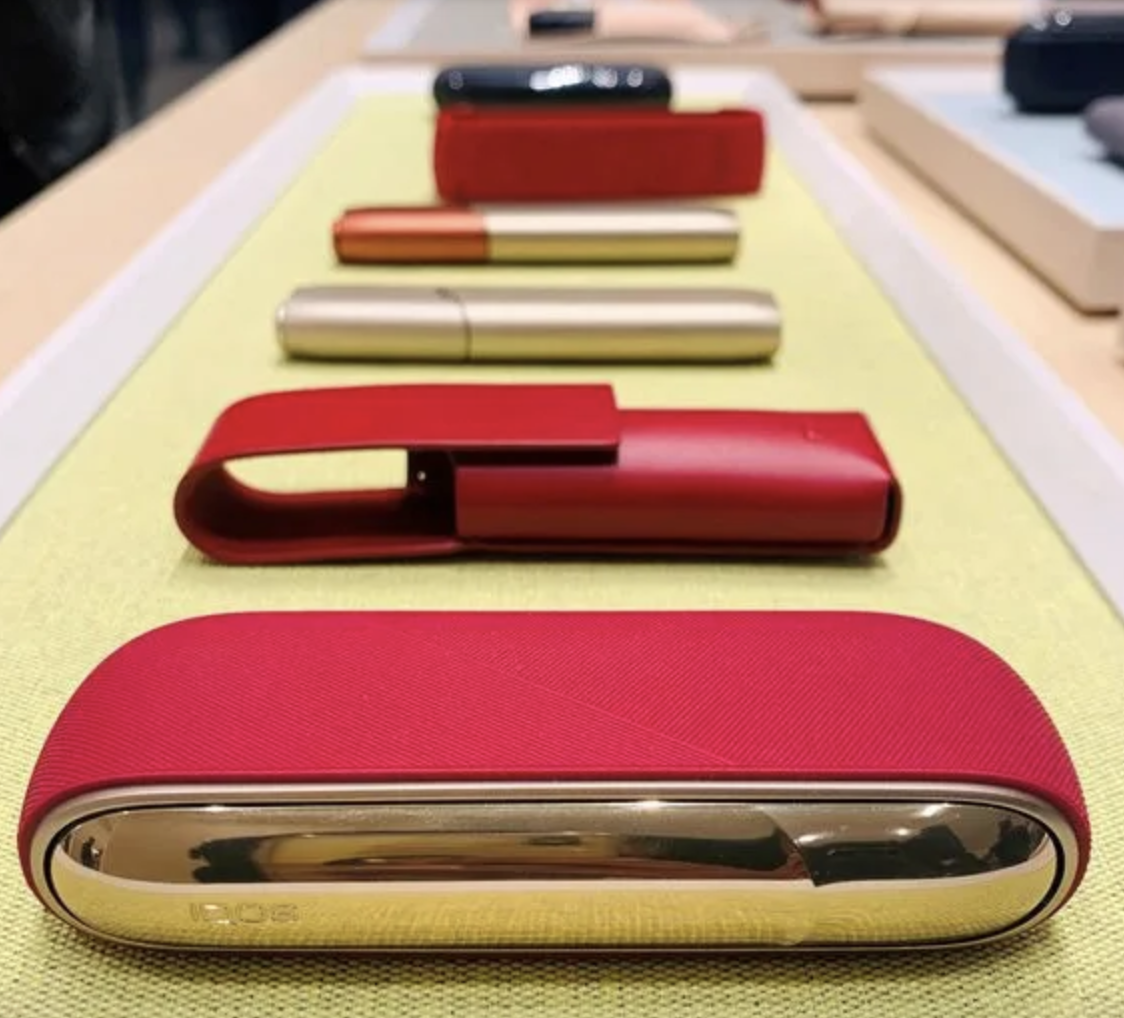
According to a report from Yahoo Finance on March 29th, tobacco giant Philip Morris International is preparing to launch its flagship heated tobacco device IQOS in the capital city of Texas, Austin. This indicates that Austin will be the first city in the United States where the company will pilot this product.
Investors are watching to see if Philip Morris International (PMI) can create a heated tobacco market in the United States, where e-cigarettes currently dominate. The country provides PMI with a large base of new users and potential new sources of revenue. IQOS may bring about a transformation as it aims to generate more income from products other than cigarettes.
According to reports, PMI has announced plans to launch the device in four cities across two states in the United States. The first city is expected to be targeted in the second quarter of this year, with a more extensive rollout possibly happening by 2025. However, the company has not disclosed further details, including the specific cities and states they are targeting. However, a job advertisement on LinkedIn has revealed that the company is preparing for the release of IQOS in Austin, Texas.
PMI is projected to spend the majority of its $10.7 billion tobacco alternative budget between 2008 and 2022 on the development of IQOS. However, this has not allowed IQOS to lead in the U.S. market. It is expected that by 2030, IQOS will account for 10% of tobacco and heated tobacco unit sales in the United States.
Up to now, besides IQOS managed by PMI's former parent company, Altria, and another product offered on a small scale by British American Tobacco, there have been basically no heated tobacco products in the US market.
PMI paid $2.7 billion to acquire the rights to sell IQOS in the United States in 2022 from Altria. British American Tobacco expressed doubt about the potential of this category in the country, as e-cigarettes and other alternatives have already matured in the market.
Brett Cooper, managing partner and analyst at stock research firm Consumer Edge, stated that Texas offers an interesting test market due to its wide-ranging population demographics, from very rural to highly urbanized. He added that diverse cities like Austin, Houston, and Dallas provide opportunities to reach a broad range of consumer groups.
According to data from the Appeals and Centers for Disease Control and Prevention (CDC), Texas has relatively low tobacco taxes. The data shows that in September 2023, the cigarette consumption tax rate in Texas was $1.41 per pack, much higher than Missouri's 17 cents, but also much lower than New York's tax rate of over $5 per pack.
In January, Texas implemented a new law regarding e-cigarettes, restricting devices that resemble candies or fruit juices, or contain symbols or images of celebrities targeted at minors, or depict cartoon characters or fictional characters.
Prior to the release of IQOS, the company also established its lobbying power nationwide in the United States. The company aims to have two-thirds of its revenue come from "smoke-free" products.
We welcome news tips, article submissions, interview requests, or comments on this piece.
Please contact us at info@2firsts.com, or reach out to Alan Zhao, CEO of 2Firsts, on LinkedIn
Notice
1. This article is intended solely for professional research purposes related to industry, technology, and policy. Any references to brands or products are made purely for objective description and do not constitute any form of endorsement, recommendation, or promotion by 2Firsts.
2. The use of nicotine-containing products — including, but not limited to, cigarettes, e-cigarettes, nicotine pouchand heated tobacco products — carries significant health risks. Users are responsible for complying with all applicable laws and regulations in their respective jurisdictions.
3. This article is not intended to serve as the basis for any investment decisions or financial advice. 2Firsts assumes no direct or indirect liability for any inaccuracies or errors in the content.
4. Access to this article is strictly prohibited for individuals below the legal age in their jurisdiction.
Copyright
This article is either an original work created by 2Firsts or a reproduction from third-party sources with proper attribution. All copyrights and usage rights belong to 2Firsts or the original content provider. Unauthorized reproduction, distribution, or any other form of unauthorized use by any individual or organization is strictly prohibited. Violators will be held legally accountable.
For copyright-related inquiries, please contact: info@2firsts.com
AI Assistance Disclaimer
This article may have been enhanced using AI tools to improve translation and editorial efficiency. However, due to technical limitations, inaccuracies may occur. Readers are encouraged to refer to the cited sources for the most accurate information.
We welcome any corrections or feedback. Please contact us at: info@2firsts.com