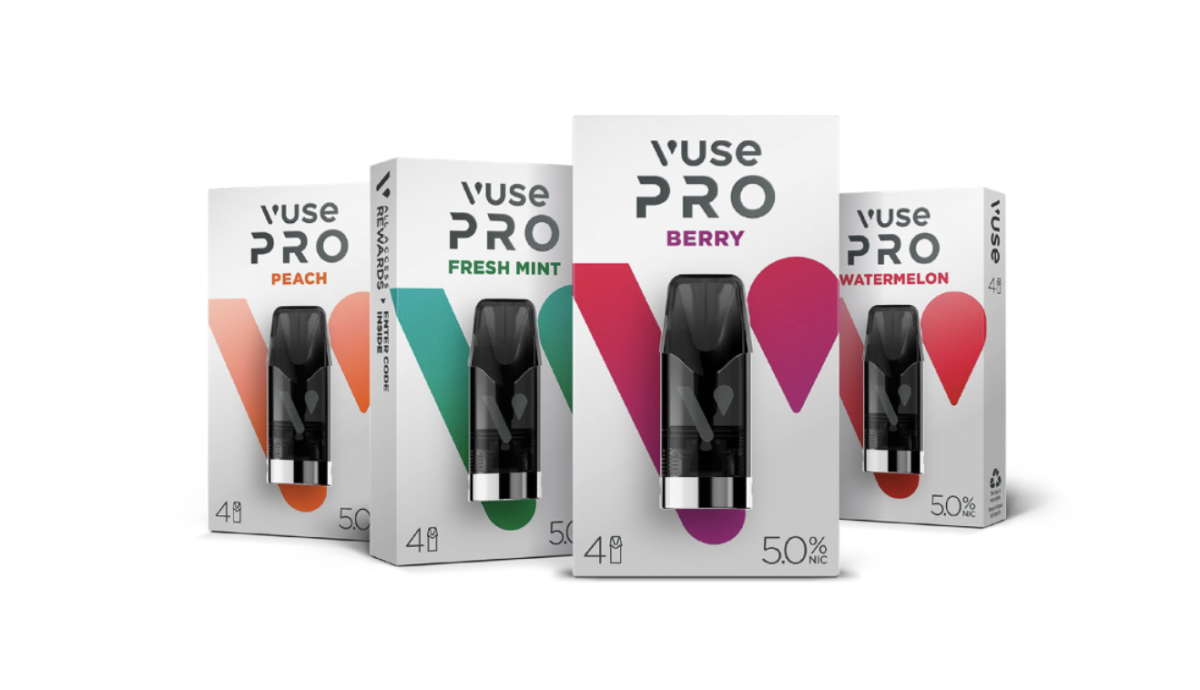
Convenience stores in Quebec, Canada, are asking Health Minister Christian Dubé to reconsider a ban on the sale of flavored e-cigarettes in stores, according to an October 31 Financial Post report. The ban was introduced a year ago, but since then there has been a significant increase in demand for these products through illegal online channels.
The Convenience Industry Council of Canada (CICC) has pointed out that this ban has led to ongoing health, financial and legal problems, and has failed to deter young people from accessing and using e-cigarettes. Despite a 50% drop in sales at Quebec's 5,000 compliant convenience stores, unscrupulous retailers are thriving by illegally selling flavored products online or in stores.
Association vice-president Michel Gadbois said, "This regulation not only fails to protect the public, it actually makes the situation worse. It encourages illegal e-cigarette sales, increases their attractiveness to young people, and punishes honest convenience store owners. It is clearly a complete failure, and Health Minister Christian Dubé bears full responsibility for it.
According to a new directory released by the Convenience Industry Council of Canada, Quebec's flavor ban has brought substantial growth to online e-cigarette sales in Canada. The directory lists over 600 e-cigarette websites that serve Quebec. Many of these websites are hosted on platforms like Shopify and offer a wide variety of disposable e-cigarettes in fruit and other flavors, with eye-catching designs that appeal to young people.
According to the directory from Storeleads.com, the top five most popular websites in Canada are: fatpanda.ca, vapeloft.com, uvapeshop.com, canvape.com, and vapevapevape.ca. These five websites collectively generate nearly 30 million Canadian dollars in sales each year. Minors can easily access these websites, as they offer discounts, bulk purchase discounts, first order promotions, and free shipping for orders over a certain amount, with lax age verification for buyers.
In addition, these websites do not charge Quebec sales tax, instead they collect federal and provincial taxes based on their location.
Convenience stores in Quebec are calling on the government to address the issue of illegal online markets and are demanding that e-cigarette shops comply with regulations similar to those for stores selling alcohol, in order to restore business fairness.
Gadbois stated that, "All legitimate retailers comply with the rules, while urgent action is needed to address illegal retailers, which is crucial. As we have done in the past, we are ready to continue working with the government to address the issue of punishing law-abiding local businesses."
Click here to access a list of online marketplaces in Quebec.
We welcome news tips, article submissions, interview requests, or comments on this piece.
Please contact us at info@2firsts.com, or reach out to Alan Zhao, CEO of 2Firsts, on LinkedIn
Notice
1. This article is intended solely for professional research purposes related to industry, technology, and policy. Any references to brands or products are made purely for objective description and do not constitute any form of endorsement, recommendation, or promotion by 2Firsts.
2. The use of nicotine-containing products — including, but not limited to, cigarettes, e-cigarettes, nicotine pouchand heated tobacco products — carries significant health risks. Users are responsible for complying with all applicable laws and regulations in their respective jurisdictions.
3. This article is not intended to serve as the basis for any investment decisions or financial advice. 2Firsts assumes no direct or indirect liability for any inaccuracies or errors in the content.
4. Access to this article is strictly prohibited for individuals below the legal age in their jurisdiction.
Copyright
This article is either an original work created by 2Firsts or a reproduction from third-party sources with proper attribution. All copyrights and usage rights belong to 2Firsts or the original content provider. Unauthorized reproduction, distribution, or any other form of unauthorized use by any individual or organization is strictly prohibited. Violators will be held legally accountable.
For copyright-related inquiries, please contact: info@2firsts.com
AI Assistance Disclaimer
This article may have been enhanced using AI tools to improve translation and editorial efficiency. However, due to technical limitations, inaccuracies may occur. Readers are encouraged to refer to the cited sources for the most accurate information.
We welcome any corrections or feedback. Please contact us at: info@2firsts.com