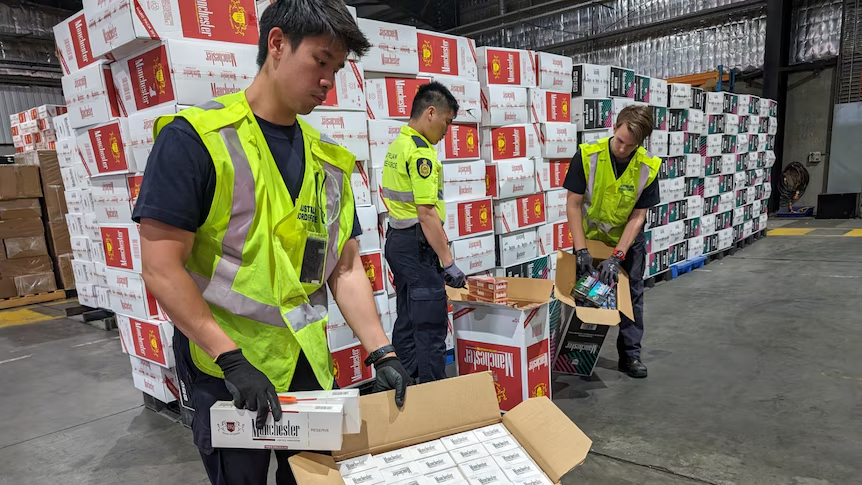
According to a report from The Guardian, data from 125 local governments in the UK shows that the country's trade standards department has seized millions of illegal e-cigarettes since the beginning of 2020.
In the past three years, trade standard departments across the country have confiscated over 2.5 million illegal e-cigarettes. In the city of Hounslow, located near Heathrow Airport (a major entry point for illegal trade), law enforcement officials have already seized over 1.35 million e-cigarettes.
These illegal e-cigarettes do not comply with UK e-cigarette regulatory laws and may have higher levels of nicotine concentration, prohibited ingredients, or super capacity e-liquid. Laboratory research has also found that illegal e-cigarettes may contain high levels of heavy metal components.
According to Kate Pike, director of the British Franchise Association, these figures are just the "tip of the iceberg".
There are numerous illegal products in the market that young people have access to. We don't want children or adults to become addicted to these types of products.
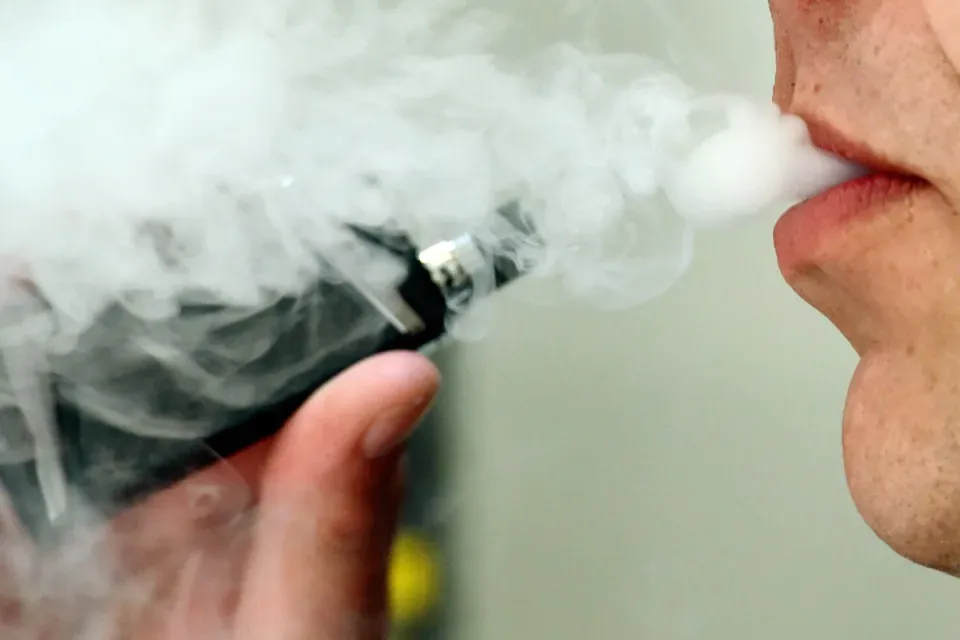
At the beginning of this month, leaders of the UK National Health Service (NHS) expressed concern over the number of children being admitted to hospital for treatment due to using e-cigarettes.
According to the NHS, in 2022, 40 children and young people in England were hospitalized due to "e-cigarette-related illnesses," compared to only 11 two years ago.
Pediatricians have also warned that "teen use of e-cigarettes is becoming a rapidly spreading epidemic among children," and are calling on the government to ban disposable e-cigarettes.
A spokesperson from the UK Department of Health and Social Care informed The Guardian:
Selling nicotine e-cigarettes to children is illegal. We are concerned about the increasing use of e-cigarettes among young people, especially because the long-term potential risks are still unclear.
Reference: [1] The seizure of over 2.5 million illegal vaping products in the past three years represents only a small portion of the problem.
Disclaimer
This article is provided solely for professional research, industry discussion, and informational purposes. Any references to brands, companies, products, technologies, or policies are made for factual reporting and analytical purposes only, and do not constitute endorsement, recommendation, promotion, or advertising by 2Firsts.
Nicotine-containing products, including but not limited to cigarettes, e-cigarettes, heated tobacco products, and nicotine pouches, carry significant health risks. Readers are responsible for complying with all applicable laws and regulations in their respective jurisdictions, including age restrictions and access limitations.
The information contained in this article should not be regarded as investment, legal, medical, regulatory, or commercial advice. While 2Firsts strives to ensure the accuracy and reliability of its content, it does not assume liability for any direct or indirect loss arising from errors, omissions, inaccuracies, or reliance on the information contained herein.
This article is not intended for individuals below the legal age for accessing tobacco or nicotine-related information in their jurisdiction.
Copyright Notice
This article is either original content produced by 2Firsts or content reproduced, translated, summarized, or adapted from third-party sources with attribution where applicable. The intellectual property rights of the original content remain with 2Firsts or the respective original rights holders.
No individual or organization may copy, reproduce, distribute, republish, modify, translate, or otherwise use this content without prior authorization. Any unauthorized use may result in legal action.
For copyright-related inquiries, corrections, or removal requests, please contact: info@2firsts.com.
AI-Assisted Translation and Editing Notice
Portions of this article may have been translated, edited, or reviewed with the assistance of artificial intelligence tools to improve efficiency and readability. Due to the limitations of AI-assisted translation and editing, discrepancies, omissions, or inaccuracies may exist when compared with the original source.
Where applicable, readers are advised to refer to the original source for the most complete and accurate information. If you identify any errors or believe that any content infringes upon your rights, please contact us at info@2firsts.com, and we will review and address the matter promptly.