Key Takeaways
- Swedish Foreign Trade Minister Benjamin Dousa said Sweden had “mobilized strongly” against France’s ban on oral nicotine products.
- Sweden argues that the French measure is a clear obstacle to the free movement of goods, one of the core principles of the EU single market.
- Swedish officials say the ban directly affects a domestic nicotine pouch industry with more than one million regular users in Sweden.
- The Swedish Social Democratic Party has asked the European Commission to clarify the legality and scientific basis of the French ban and said a court challenge could follow within three weeks if there is no answer.
- The same party also wrote to the president of the European Parliament and mentioned the symbolic possibility of suspending parliamentary sessions in Strasbourg.
2Firsts, April 14, 2026
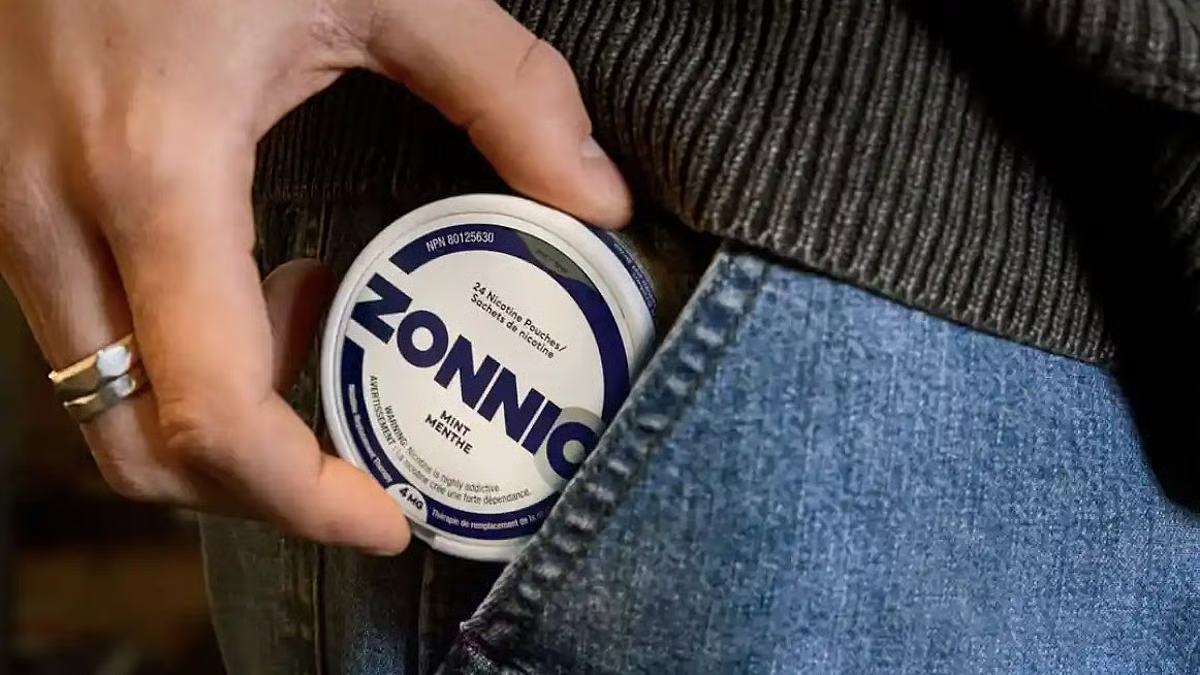
According to Economiematin, France’s ban on oral nicotine pouches has triggered an immediate and forceful response from Sweden, with the dispute now extending across internal-market rules, public health policy, and national economic interests.
Sweden says the French ban obstructs free movement of goods
In Stockholm, Swedish Minister for Foreign Trade Benjamin Dousa took the lead in responding publicly. In an opinion piece published in Expressen, he said Sweden had “mobilized strongly” against the French ban on oral nicotine products and argued that the move constitutes a clear obstacle to the free movement of goods, one of the fundamental pillars of the EU single market.
Sweden views the measure as a direct blow to a domestic industry
The report said nicotine pouches have deep historical roots in Sweden and have been used there for centuries. More than one million Swedes still use them regularly today. Swedish officials say the sector remains in growth and is strategically important, which is why the French measure is being viewed in Stockholm as a direct attack on a national industry. Dousa said Sweden would defend and protect nicotine pouches.
Sweden argues for a harm-reduction approach
Beyond the economic issue, the Swedish government also defended a different public health approach. Sweden argues that nicotine pouches, while not risk-free, are less harmful than combustible cigarettes and should be considered within a harm-reduction framework. Dousa therefore described it as “incomprehensible” that France would ban these products while continuing to allow combustible tobacco.
The report said this disagreement reflects a broader European divide. Countries such as France are presented as favoring a restrictive model based on prohibition and prevention, while Sweden is described as backing a more pragmatic model based on regulating alternative products to help smokers move away from cigarettes.
Sweden says the issue also has cultural and lifestyle significance
The report added that in Sweden these products are not viewed merely as consumer goods, but also as part of national lifestyle and identity. Dousa described the French ban as “an attack on the Swedish way of life,” underlining the product’s cultural significance in Sweden.
Sweden raises concerns about penalties affecting its citizens abroad
Swedish concern also extends to Swedish citizens traveling in France. According to the report, under the new French rules, transporting or possessing nicotine pouches on French territory could lead to heavy fines and, in some cases, criminal proceedings. Stockholm is said to view that outcome as disproportionate.
Swedish Social Democrats seek an EU-level response
Swedish Social Democratic MEP Johan Danielsson described the ban as “absolutely unacceptable” and said it was paradoxical that behavior legal in one EU member state could become criminally punishable in another.
The report said the Swedish Social Democratic Party has written to European Commission President Ursula von der Leyen seeking clarification on the legality of the French ban and its scientific basis. If no response is received within three weeks, legal action before the Court of Justice of the European Union could follow.
The same party also sent a letter to European Parliament President Roberta Metsola, mentioning the symbolic possibility of suspending parliamentary sessions in Strasbourg. The report said that possibility remains theoretical, but it illustrates the scale of the political unease.
The dispute also reaches Strasbourg’s economy and France’s tourism image
According to the report, if parliamentary sessions in Strasbourg were ever suspended, the economic effect would be immediate because the monthly presence of members of parliament, staff, and journalists is important to local hotels, restaurants, and retail businesses.
The report also said France’s tourism image could be affected. Many foreign visitors, especially Americans, use oral nicotine products as alternatives to tobacco without necessarily knowing the specific local rules. As a result, they could find themselves in violation without any intent to break the law.
Overall, the report said the dispute highlights the European Union’s continuing difficulty in harmonizing nicotine-product policy, as member states remain divided between public health objectives, economic freedoms, and national traditions.
Image source: Economiematin
We welcome news tips, article submissions, interview requests, or comments on this piece.
Please contact us at info@2firsts.com, or reach out to Alan Zhao, CEO of 2Firsts, on LinkedIn
Notice
1. This article is intended solely for professional research purposes related to industry, technology, and policy. Any references to brands or products are made purely for objective description and do not constitute any form of endorsement, recommendation, or promotion by 2Firsts.
2. The use of nicotine-containing products — including, but not limited to, cigarettes, e-cigarettes, nicotine pouchand heated tobacco products — carries significant health risks. Users are responsible for complying with all applicable laws and regulations in their respective jurisdictions.
3. This article is not intended to serve as the basis for any investment decisions or financial advice. 2Firsts assumes no direct or indirect liability for any inaccuracies or errors in the content.
4. Access to this article is strictly prohibited for individuals below the legal age in their jurisdiction.
Copyright
This article is either an original work created by 2Firsts or a reproduction from third-party sources with proper attribution. All copyrights and usage rights belong to 2Firsts or the original content provider. Unauthorized reproduction, distribution, or any other form of unauthorized use by any individual or organization is strictly prohibited. Violators will be held legally accountable.
For copyright-related inquiries, please contact: info@2firsts.com
AI Assistance Disclaimer
This article may have been enhanced using AI tools to improve translation and editorial efficiency. However, due to technical limitations, inaccuracies may occur. Readers are encouraged to refer to the cited sources for the most accurate information.
We welcome any corrections or feedback. Please contact us at: info@2firsts.com