Two Teenagers Arrested for Mailing THC E-Cigarettes near Elementary School

Regulations by 2FIRSTS.ai
Nov.21.2023
Two Teenagers Arrested for Mailing THC E-Cigarettes near Elementary School
Two US teenagers arrested for allegedly mailing THC e-cigarettes to a residence near an elementary school.

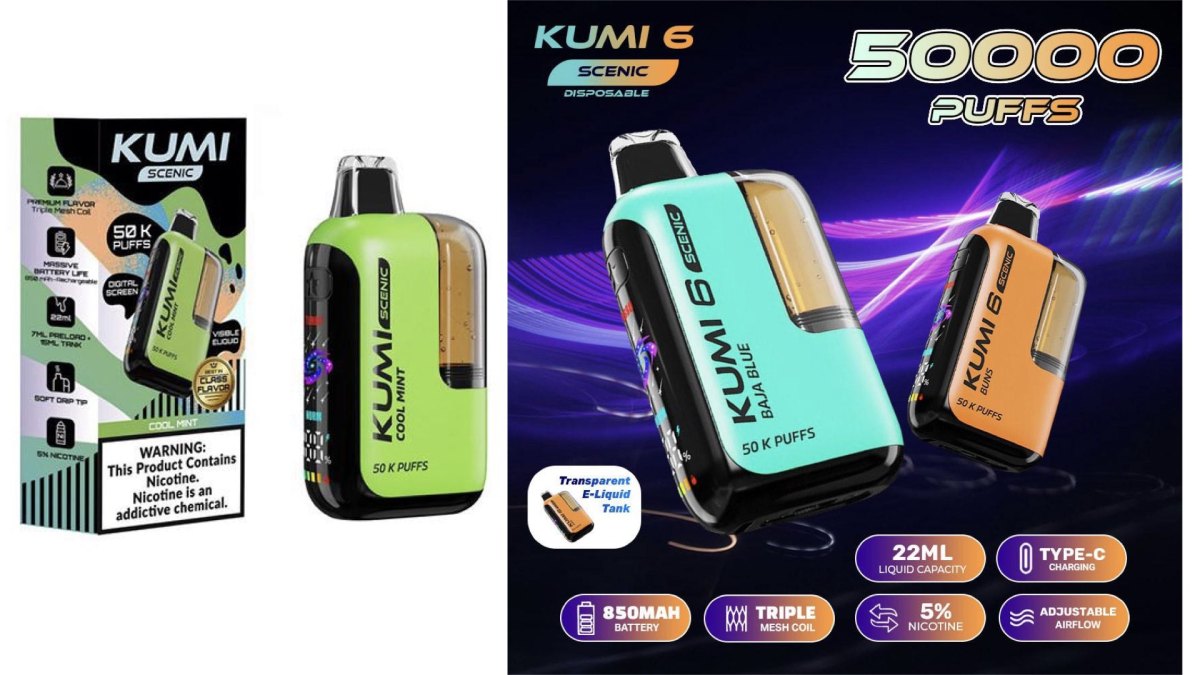
According to a Yahoo News report on November 20th, two American teenagers have been arrested for allegedly mailing a tetrahydrocannabinol (THC) e-cigarette to a residence near an elementary school.


The authorities in Hall County have announced that they have been notified by the United States Postal Service about a shipment of THC being sent to an address approximately 1000 feet away from Oakwood Elementary School. Investigators have subsequently coordinated with officials from the US Postal Service to retain the package and arrange for its delivery at a specific time on Wednesday.


When the package was delivered, officers observed 17-year-old Pablo Manuel Jimenez receiving the package from postal workers. Subsequently, he and 18-year-old Karl Kristopher Kmeck Showen placed the package into the trunk of a parked car outside.


Investigators subsequently intervened and arrested the two teenagers. Upon opening the package, officials discovered 490 THC oil pods and 2.5 pounds of marijuana, along with a scale, packed in multiple bags. Additionally, more than 30 THC e-cigarettes were found at the residence of Mr. Hemenes.


Authorities have also accused Shawn of possessing marijuana with the intention to distribute, resulting in juvenile delinquency and marijuana possession.


We welcome news tips, article submissions, interview requests, or comments on this piece.

Please contact us at info@2firsts.com, or reach out to Alan Zhao, CEO of 2Firsts, on LinkedIn


Notice

1.  This article is intended solely for professional research purposes related to industry, technology, and policy. Any references to brands or products are made purely for objective description and do not constitute any form of endorsement, recommendation, or promotion by 2Firsts.

2.  The use of nicotine-containing products — including, but not limited to, cigarettes, e-cigarettes, nicotine pouchand heated tobacco products — carries significant health risks. Users are responsible for complying with all applicable laws and regulations in their respective jurisdictions.

3.  This article is not intended to serve as the basis for any investment decisions or financial advice. 2Firsts assumes no direct or indirect liability for any inaccuracies or errors in the content.

4.  Access to this article is strictly prohibited for individuals below the legal age in their jurisdiction.


Copyright


This article is either an original work created by 2Firsts or a reproduction from third-party sources with proper attribution. All copyrights and usage rights belong to 2Firsts or the original content provider. Unauthorized reproduction, distribution, or any other form of unauthorized use by any individual or organization is strictly prohibited. Violators will be held legally accountable.

For copyright-related inquiries, please contact: info@2firsts.com


AI Assistance Disclaimer


This article may have been enhanced using AI tools to improve translation and editorial efficiency. However, due to technical limitations, inaccuracies may occur. Readers are encouraged to refer to the cited sources for the most accurate information.

We welcome any corrections or feedback. Please contact us at: info@2firsts.com

Research | Swedish Study Finds Oral Lesions in 79% of Examined Nicotine Pouch Users, With Distinct Tissue Responses
A new Swedish study found oral mucosal lesions in 79% of examined nicotine pouch users and 89% of tobacco-derived snus users, with different tissue-response patterns between the two categories. For manufacturers and regulators, the findings shift attention toward product formulation, flavouring, pouch materials and local oral exposure, not only whether a product contains tobacco. The study found no higher prevalence of caries or periodontal disease, but it could not establish causality, long-term outcomes or differences between individual products or designs.
Special Report
Jul.27
South Korean Lawmaker Jeong Jin-wook Pushes Synthetic Nicotine Vape Probe, Highlighting Supply Chain and Tax Concerns
South Korean lawmaker Jeong Jin-wook has again called for stronger government action against liquid synthetic nicotine vape manufacturers and sellers, alleging that some businesses may have avoided regulation through product labeling changes and corporate restructuring. According to Newsworks, JNILBO and other Korean reports, Jeong has held his third press conference on the issue, calling for a government-wide investigation. The dispute involves whether synthetic nicotine products should fall under tobacco regulations, tax implications and supply-chain transparency. South Korean government agencies have previously said some estimates of potential tax losses cannot be verified due to limited sales data.
Jul.27
2Firsts Data | China’s Vape Exports Rise 3.1% in H1 2026 as 6-Methyl Nicotine-Related Products Surge 65.2%
China’s vape exports showed resilience in the first half of 2026 after a short-term shock from China’s export rebate adjustment. But customs data points to more than a simple recovery: the structure of growth is changing. Vaping devices and atomization hardware emerged as the strongest growth driver, while nicotine-containing vaping products remained broadly stable. Meanwhile, nicotine substitute-related products represented by 6-methyl nicotine expanded rapidly, becoming a new category to watch for both industry and regulators. After the U.S. market went through a cycle of shortages, replenishment and inventory rebuilding in 2025, China’s vape supply chain is entering a new phase of reallocation.
Special Report
Jul.20
China Tobacco Plans CNY 60 Billion Investment in ICBC, Agricultural Bank as Strategic Ties Extend Beyond Equity
China National Tobacco Corporation and several subsidiaries plan to invest a combined CNY 60 billion ($8.7 billion) in share placements by Industrial and Commercial Bank of China and Agricultural Bank of China as strategic investors. The agreements extend beyond equity investment to corporate governance, banking services and supply-chain finance. The filings also disclose 2025 data on China Tobacco’s tax and profit contributions and industry scale.
Sep.07
Malaysia Withdraws Appeal Against Liquid Nicotine Ruling as Vape Regulation Framework Enters New Phase
Malaysia’s government has withdrawn its appeal against a High Court ruling concerning the regulatory status of liquid nicotine used in vape and e-cigarette products, according to reports by New Straits Times, Free Malaysia Today and CodeBlue on August 18, 2026. The Kuala Lumpur High Court ruled on May 15 that the government’s decision to remove liquid nicotine from the scheduled poisons list under the Poisons Act 1952 was irrational and made without proper consultation with the Poisons Board. The withdrawal ends the government’s appeal process, while the future regulatory framework for nicotine vape products remains under discussion.
Aug.21
Shopify Requires Merchants to Remove All Vape Products by July 8, Reshaping Online Sales Channels
Shopify has instructed merchants using its web-hosting services to remove vape products from their online stores by July 8, 2026. The policy expands beyond illegal products and applies to all electronic nicotine delivery systems (ENDS), marking a broader shift in online platform oversight of nicotine sales.
Innovation
Jul.14 by 2Firsts Perspectives