Analysis of China to Poland's February 2024 E-cigarette Export Data

Market by 2FIRSTS
Apr.15.2024
Analysis of China to Poland's February 2024 E-cigarette Export Data
China's e-cigarette exports to Poland in February 2024 reached $9.6 million, with volume up 73.99% year-on-year.

According to the latest trade data from the General Administration of Customs of the People's Republic of China, 2FIRSTS has compiled the e-cigarette export data to Poland for February 2024. The details are as follows:

Analysis of China to Poland's February 2024 E-cigarette Export Data
Image source: 2FIRSTS (created by Mincy)


The export volume was approximately $9.6 million, showing a month-on-month decrease of 33.25% but a year-on-year increase of 43.43%.
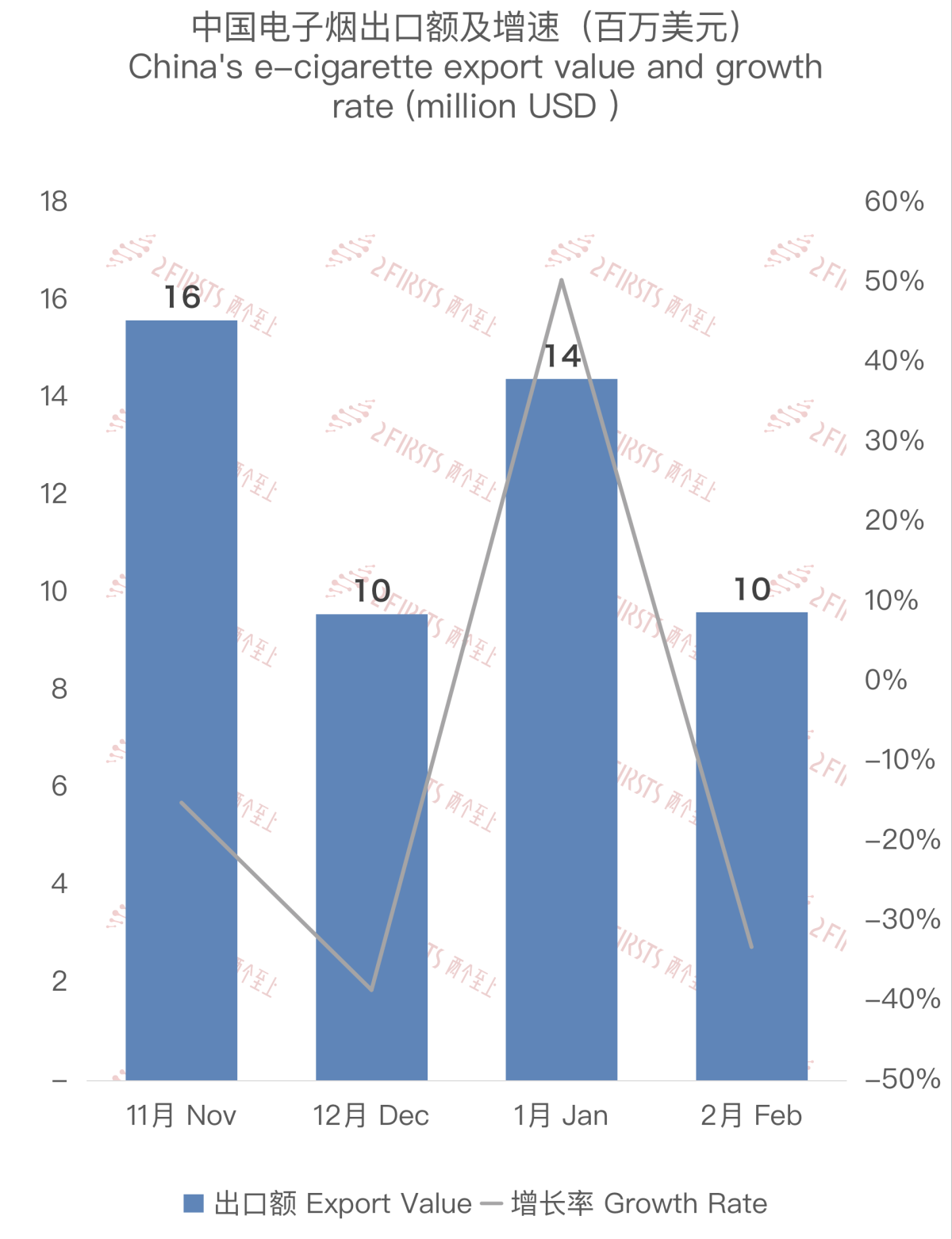
Analysis of China to Poland's February 2024 E-cigarette Export Data
Image source: 2FIRSTS (Mincy Mapping)


The export volume is approximately 158 tons, representing a decrease of 37.04% compared to the previous period and an increase of 73.99% compared to the same period last year.
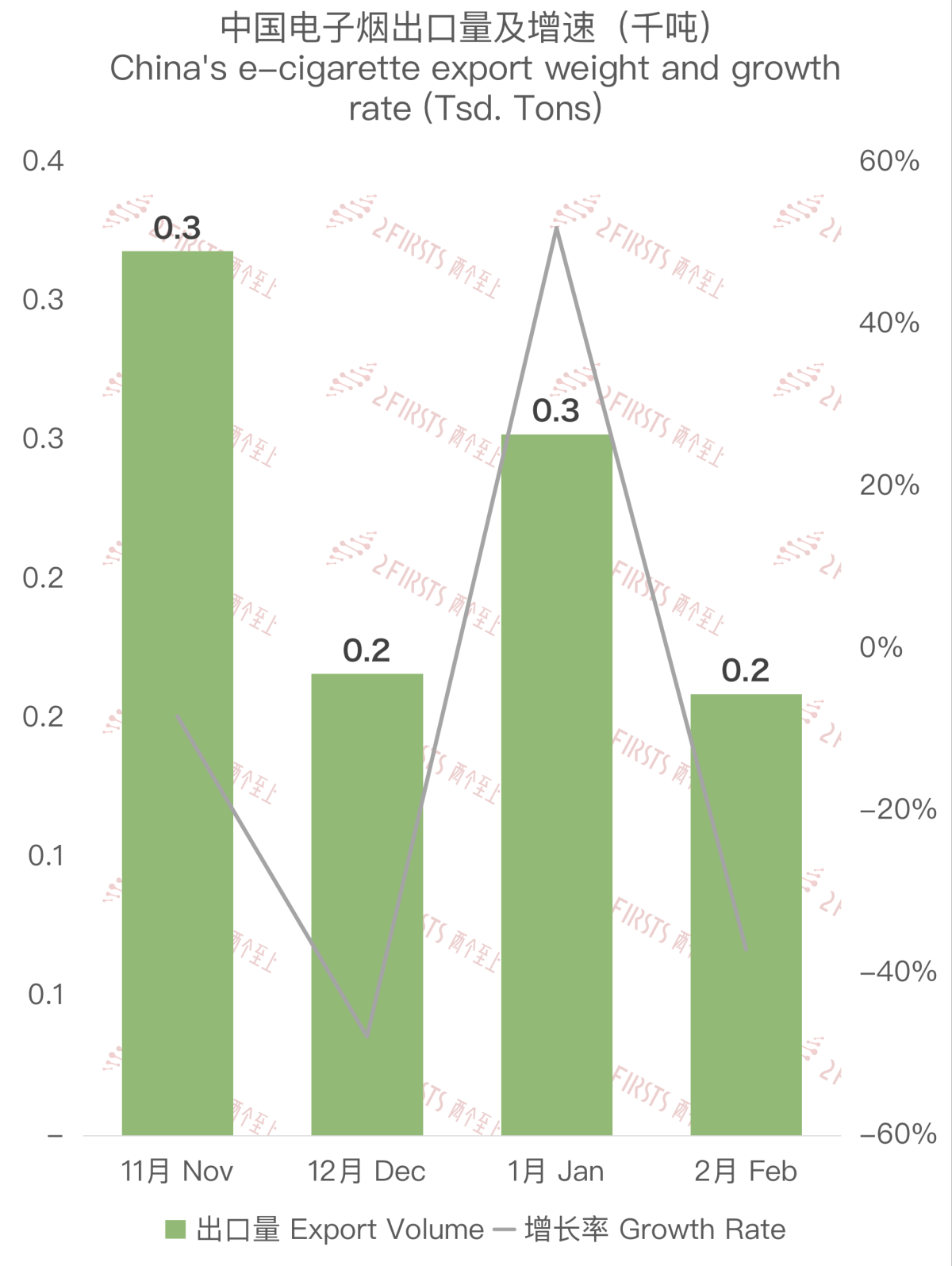
Analysis of China to Poland's February 2024 E-cigarette Export Data
Image source: 2FIRSTS (Map created by Mincy)


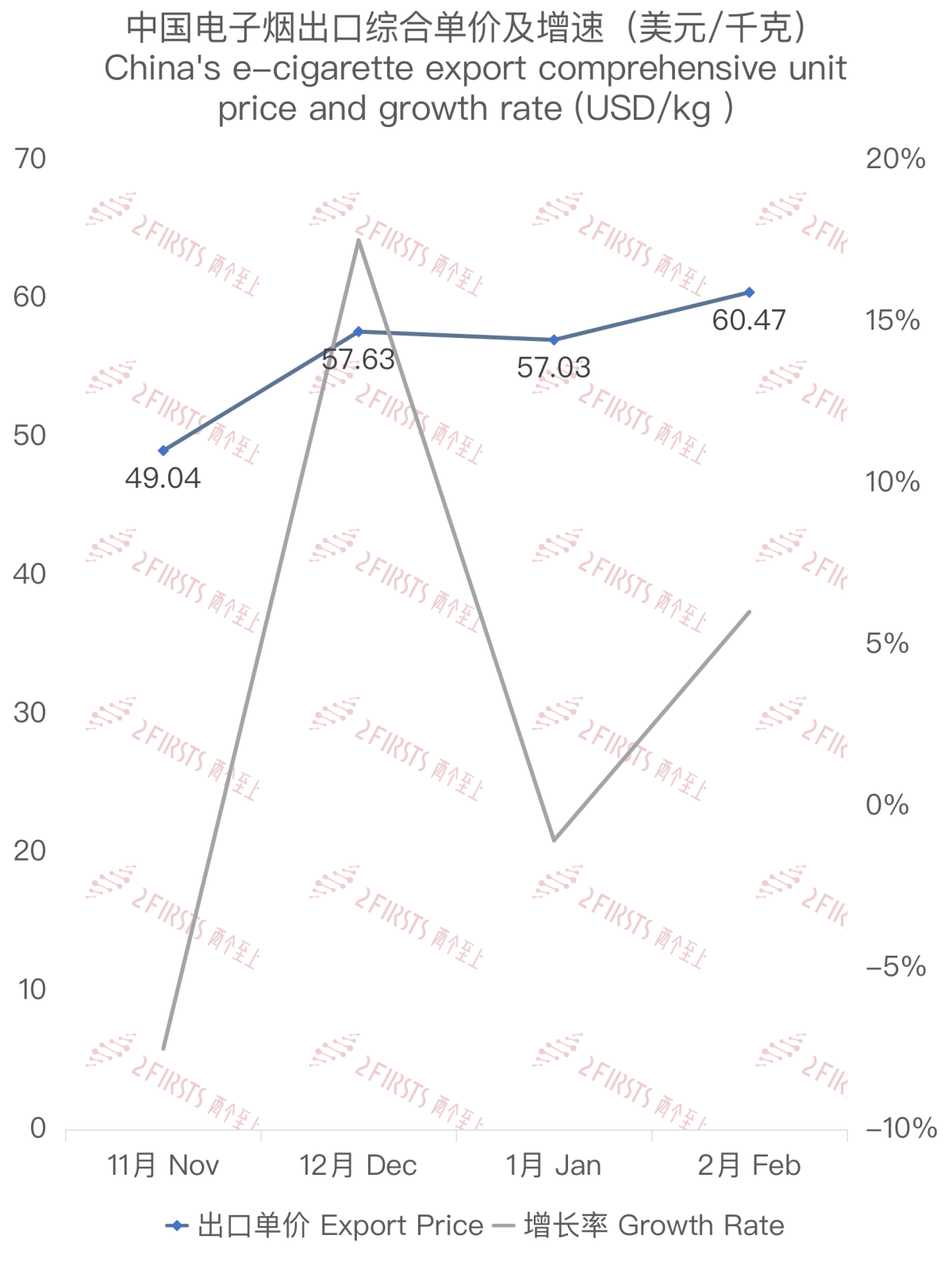
The export unit price is $60.47 per kilogram, an increase of 6.03% compared to the previous period, but a decrease of 17.57% year-on-year; the average price of "e-cigarettes and similar personal electronic vaporizing devices" is $13.66 per unit.
Analysis of China to Poland's February 2024 E-cigarette Export Data
Image source: 2FIRSTS (Mincy drawing)


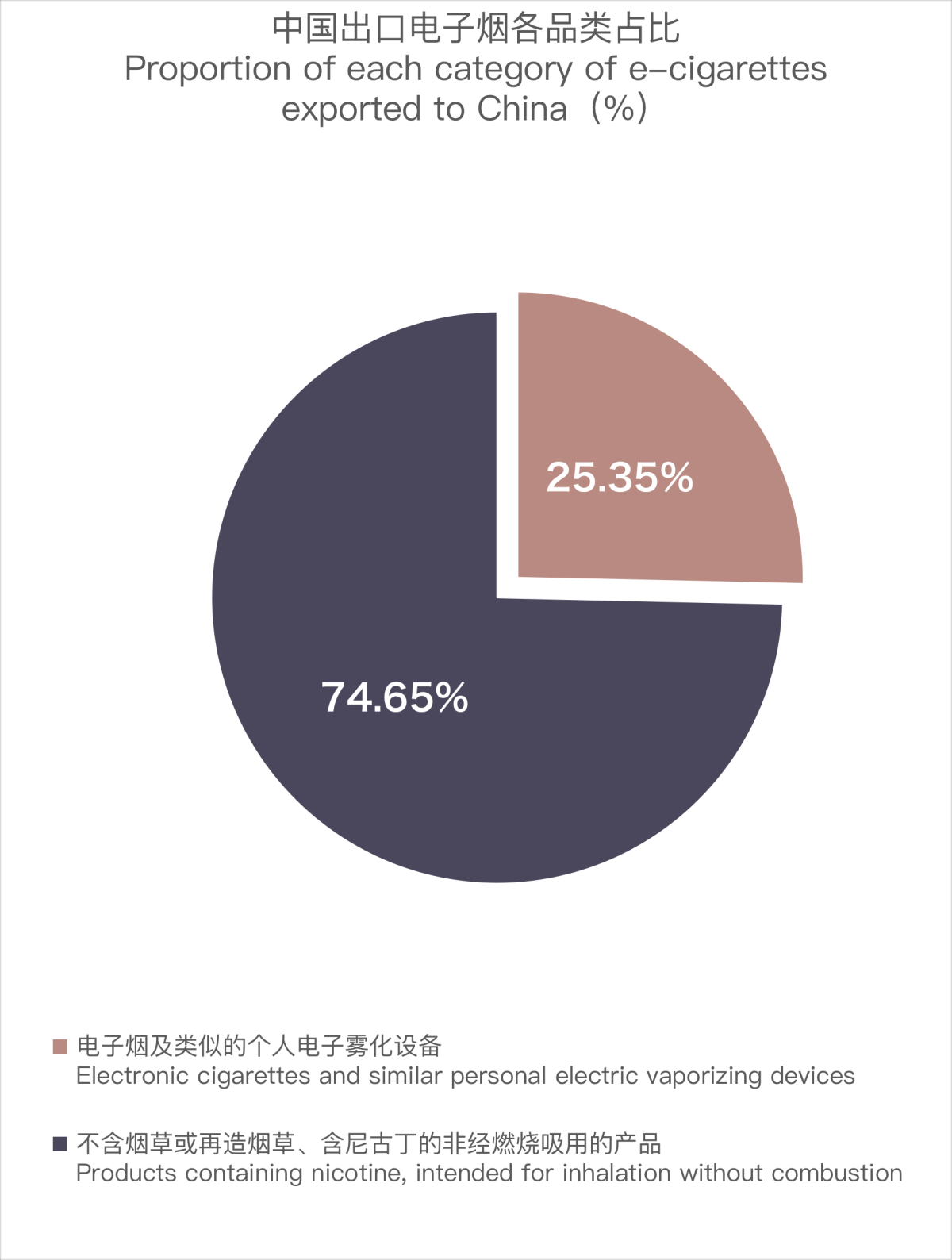
Among them, "e-cigarettes and similar personal electronic vaporization devices" accounted for 25.35% of the export product category, while "products containing nicotine that do not contain tobacco or reconstituted tobacco for non-combustible use" accounted for 74.65%.
Analysis of China to Poland's February 2024 E-cigarette Export Data
Image source: 2FIRSTS (Mincy Mapping)


We welcome news tips, article submissions, interview requests, or comments on this piece.

Please contact us at info@2firsts.com, or reach out to Alan Zhao, CEO of 2Firsts, on LinkedIn


Notice

1.  This article is intended solely for professional research purposes related to industry, technology, and policy. Any references to brands or products are made purely for objective description and do not constitute any form of endorsement, recommendation, or promotion by 2Firsts.

2.  The use of nicotine-containing products — including, but not limited to, cigarettes, e-cigarettes, nicotine pouchand heated tobacco products — carries significant health risks. Users are responsible for complying with all applicable laws and regulations in their respective jurisdictions.

3.  This article is not intended to serve as the basis for any investment decisions or financial advice. 2Firsts assumes no direct or indirect liability for any inaccuracies or errors in the content.

4.  Access to this article is strictly prohibited for individuals below the legal age in their jurisdiction.


Copyright


This article is either an original work created by 2Firsts or a reproduction from third-party sources with proper attribution. All copyrights and usage rights belong to 2Firsts or the original content provider. Unauthorized reproduction, distribution, or any other form of unauthorized use by any individual or organization is strictly prohibited. Violators will be held legally accountable.

For copyright-related inquiries, please contact: info@2firsts.com


AI Assistance Disclaimer


This article may have been enhanced using AI tools to improve translation and editorial efficiency. However, due to technical limitations, inaccuracies may occur. Readers are encouraged to refer to the cited sources for the most accurate information.

We welcome any corrections or feedback. Please contact us at: info@2firsts.com

As JUUL2 Wins FDA Authorization, Harm Reduction Journal Highlights the Role of Real-World Evidence in Nicotine Product Regulation
A commentary published in the international open-access, peer-reviewed Harm Reduction Journal argues that randomized controlled trials remain central to evaluating smoking cessation efficacy but cannot alone capture real-world uptake, complete switching, longer-term use and population impact of non-combustible nicotine products such as e-cigarettes, heated tobacco and nicotine pouches. The authors frame impact as “reach × efficacy” and call for real-world evidence to complement RCTs. Three days after publication, the FDA authorized three JUUL2 products and highlighted complete switching among adult smokers in explaining its decision, providing a timely regulatory backdrop to the debate.
Sep.08
Australian Coalition Taskforce Calls for 80% Tobacco Tax Cut to Combat Illicit Market
According to SGST on August 26, 2026, Australia’s Coalition Illegal Tobacco Taskforce released a report recommending an up to 80% cut in tobacco excise to reduce the appeal of the illicit tobacco market. The report claimed organised crime groups now control about 80% of Australia’s tobacco market and argued that high excise rates have widened the price gap between legal and illegal products. The recommendation remains a policy proposal and has not been adopted by the Australian government, which said its focus remains on enforcement, compliance and additional resources.
Aug.27
Product | JTI Expands Ploom Ecosystem as LYO Tobacco-Free Nicotine Sticks Roll Out Across Europe
Japan Tobacco International (JTI) is expanding its Ploom heated product ecosystem with LYO tobacco-free nicotine sticks. Designed specifically for Ploom devices, LYO contains nicotine but no tobacco. Public information shows that the product has gradually entered several European markets, including Spain, Portugal and Germany, and was officially introduced in Romania in July 2026. The launch highlights JTI’s efforts to explore broader nicotine consumable formats beyond traditional tobacco-based sticks.
JTI
Jul.21 by 2Firsts Perspectives
Australia’s TGA Places Nicotine Pouches Under Therapeutic Goods Rules From July 24, Blocking Imports of Unapproved Products
Australia is strengthening controls on nicotine pouches under its existing therapeutic goods regulatory framework. According to the Therapeutic Goods Administration (TGA), nicotine pouch products must meet regulatory requirements, and unapproved products cannot be legally imported. The move follows Australia’s broader approach of maintaining strict oversight of nicotine products, including nicotine-containing vapes. As nicotine pouches expand globally, Australia’s regulatory approach highlights growing differences in how countries manage emerging smoke-free nicotine products.
Regulations
Jul.27
EU ‘TPD3’ Enters Next Phase on Aug. 14 as Fragmented Vape and Nicotine Pouch Rules Push the Single Market Toward Regulatory Overhaul
A 12-week European Commission consultation on revising the Tobacco Products Directive and Tobacco Advertising Directive is due to close on Aug. 14, 2026. The Commission has identified e-cigarette flavours, disposable vapes, tobacco heating devices, nicotine pouches, nicotine-free e-cigarettes, packaging and digital marketing among areas for possible new EU rules. National regulations already vary significantly across the bloc, a fragmentation the Commission says creates internal-market barriers and distorts competition. No formal revised TPD/TAD legislative text has yet been published, with the Commission currently indicating December 2026 for the legislative initiative.
Aug.14
South Korea Vape Strategies Diverge as BAT Reconsiders Exit and PMI Takes VEEV to About 14,000 Stores
BAT Rothmans says it previously considered exiting South Korea's vaping market because of competitive pressure from unregulated products, but is now reassessing conditions following changes to the country's nicotine regulatory framework. Vuse and other BAT vaping products remain available through existing distribution channels. The statement followed a South Korean media report that interpreted BAT's broader withdrawal from selected Vapour markets as a full exit from South Korea. Meanwhile, Philip Morris International launched VEEV inPRIME in the country in June and began expanding distribution to around 14,000 convenience stores and other retail channels in July. The contrasting moves highlight differing investment strategies as South Korea's regulated vaping market evolves.
Aug.14