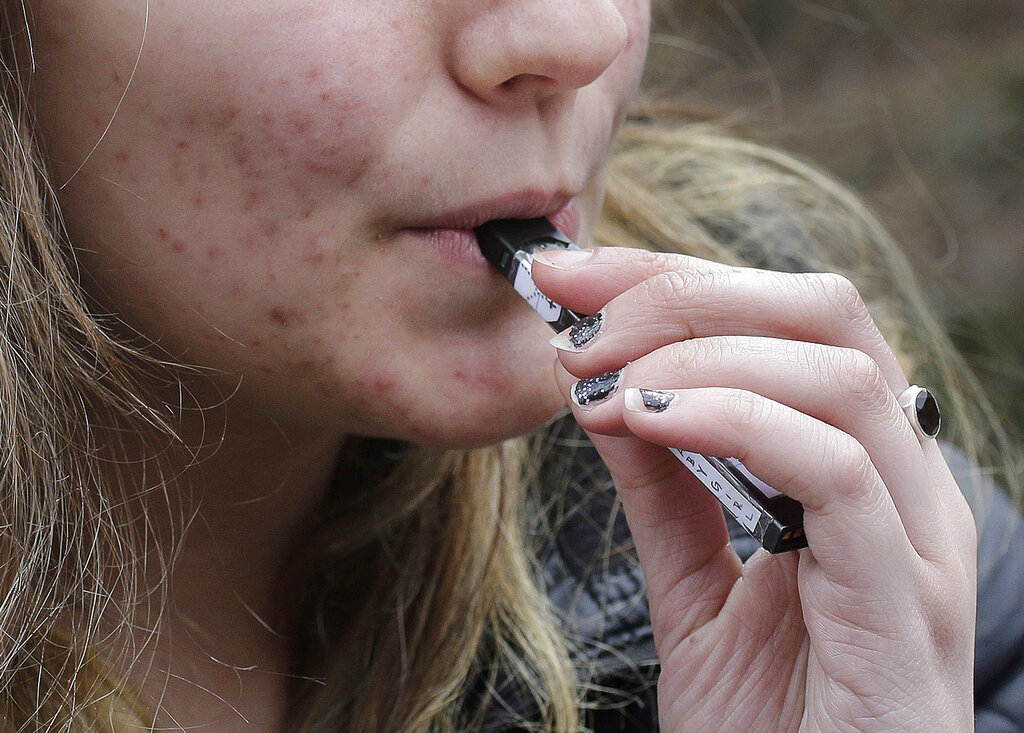
According to Sentinel Colorado, on June 4th, Colorado Attorney General Phil Weiser announced on Tuesday that $20 million of the $31.7 million settlement agreement reached with e-cigarette manufacturer Juul Labs Inc. will be allocated towards funding programs to improve adolescent mental health.
Weiser emphasized in an interview after the announcement that they are focusing on addressing the root cause of youth smoking.
We know that people turn to smoking due to mental health issues. This is why we need to ask ourselves at the source: How can we establish better connections?
Weiser also made it clear that the school district will be invited to apply for funding later this year, with the goal of fostering collaboration within the district and with local community organizations to develop plans that help nurture relationships between youth and trusted adults. Several foundations in Colorado have already indicated they will help facilitate this collaboration in the next six months.
Colorado sued e-cigarette manufacturer Juul Labs Inc. in 2020, accusing the company of engaging in deceptive marketing targeting teenagers and downplaying the health risks of e-cigarettes. The state is one of several that have reached a settlement with the company. However, Juul did not admit to any wrongdoing as part of the settlement.
According to recent data from the Colorado Healthy Kids Survey, 30% of high school students in Colorado have tried an e-cigarette at least once, and 16% of students reported using an e-cigarette in the past 30 days. Among the three projects funded by the settlement money from JUUL in Colorado, the $20 million grant project is the largest. The other two projects include a $6 million grant for non-profit organizations and government agencies, and a $11.4 million grant to help school districts address youth e-cigarette issues. These grant projects have already been launched, and recipients will be announced soon, according to officials.
Weiser believes that schools can freely partner with anyone in the community who serves youth, such as a boys and girls club in some communities or a library that teaches children how to read in others. Applicants for funding will be eligible for $2.5 million over three years if the number of students served in their district reaches or exceeds 23,000. If the number of students served is between 7,500 and 23,000, they will be eligible for $1.75 million over three years. If the number of students served is less than 7,500, they will be eligible for $750,000 in funding.
We welcome news tips, article submissions, interview requests, or comments on this piece.
Please contact us at info@2firsts.com, or reach out to Alan Zhao, CEO of 2Firsts, on LinkedIn
Notice
1. This article is intended solely for professional research purposes related to industry, technology, and policy. Any references to brands or products are made purely for objective description and do not constitute any form of endorsement, recommendation, or promotion by 2Firsts.
2. The use of nicotine-containing products — including, but not limited to, cigarettes, e-cigarettes, nicotine pouchand heated tobacco products — carries significant health risks. Users are responsible for complying with all applicable laws and regulations in their respective jurisdictions.
3. This article is not intended to serve as the basis for any investment decisions or financial advice. 2Firsts assumes no direct or indirect liability for any inaccuracies or errors in the content.
4. Access to this article is strictly prohibited for individuals below the legal age in their jurisdiction.
Copyright
This article is either an original work created by 2Firsts or a reproduction from third-party sources with proper attribution. All copyrights and usage rights belong to 2Firsts or the original content provider. Unauthorized reproduction, distribution, or any other form of unauthorized use by any individual or organization is strictly prohibited. Violators will be held legally accountable.
For copyright-related inquiries, please contact: info@2firsts.com
AI Assistance Disclaimer
This article may have been enhanced using AI tools to improve translation and editorial efficiency. However, due to technical limitations, inaccuracies may occur. Readers are encouraged to refer to the cited sources for the most accurate information.
We welcome any corrections or feedback. Please contact us at: info@2firsts.com