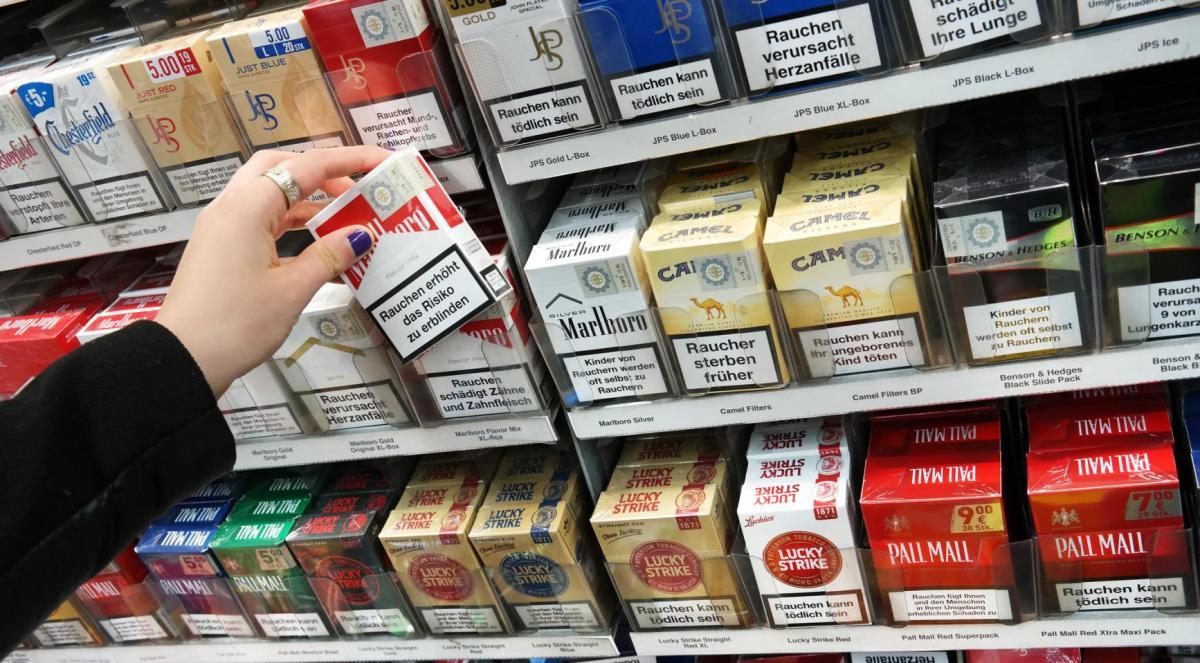
Dutch tobacco shops see 40% revenue growth since ban

Aug.13.2024
Dutch tobacco shops see 40% revenue growth since ban
Dutch tobacco shop sales soar over 40% since supermarkets banned sales on July 1, says NL Times report.

According to a recent report by NL Times, since July 1st of this year, tobacco sales in the Netherlands have been banned in supermarkets, resulting in an increase of over 40% in revenue for tobacco shops.


The spokesperson of the Dutch Tobacco Retailers Association (NSO Retail) stated that the revenue of specialist shops has been increasing for some time. In fact, some large supermarkets like AH and Lidl have already stopped selling tobacco products.


According to a survey conducted by TabakNee, a research website under the Foundation for Teen Smoking Prevention, the Netherlands has opened over 100 new tobacco shops this year.


The spokesperson stated that


This figure has already exceeded the total amount projected for 2023.


As of early June this year, a total of 230 new stores have opened since the announcement of the ban on smoking in supermarkets at the end of 2020.


TabakNee pointed out that many businesses are circumventing sales bans by opening standalone tobacco shops, which are usually located next to or near supermarkets.


However, NSO Retail denied this claim. The association stated that the actual number of new tobacco shops added this year is only a few dozen.


Considering that more than 6000 supermarkets have stopped selling tobacco products, this increase is not considered significant.


A report from the industry organization Drive states that gas stations are also benefiting from the ban on smoking in supermarkets.


The spokesperson noted that tobacco sales at their 1,300 gas stations have increased by varying amounts ranging from 10% to 40%, with the increase primarily dependent on the geographic location of the gas station.


Sales at gas stations near the highway have seen limited growth, while sales at gas stations in the city center have increased significantly.


We welcome news tips, article submissions, interview requests, or comments on this piece.

Please contact us at info@2firsts.com, or reach out to Alan Zhao, CEO of 2Firsts, on LinkedIn


Notice

1.  This article is intended solely for professional research purposes related to industry, technology, and policy. Any references to brands or products are made purely for objective description and do not constitute any form of endorsement, recommendation, or promotion by 2Firsts.

2.  The use of nicotine-containing products — including, but not limited to, cigarettes, e-cigarettes, nicotine pouchand heated tobacco products — carries significant health risks. Users are responsible for complying with all applicable laws and regulations in their respective jurisdictions.

3.  This article is not intended to serve as the basis for any investment decisions or financial advice. 2Firsts assumes no direct or indirect liability for any inaccuracies or errors in the content.

4.  Access to this article is strictly prohibited for individuals below the legal age in their jurisdiction.


Copyright


This article is either an original work created by 2Firsts or a reproduction from third-party sources with proper attribution. All copyrights and usage rights belong to 2Firsts or the original content provider. Unauthorized reproduction, distribution, or any other form of unauthorized use by any individual or organization is strictly prohibited. Violators will be held legally accountable.

For copyright-related inquiries, please contact: info@2firsts.com


AI Assistance Disclaimer


This article may have been enhanced using AI tools to improve translation and editorial efficiency. However, due to technical limitations, inaccuracies may occur. Readers are encouraged to refer to the cited sources for the most accurate information.

We welcome any corrections or feedback. Please contact us at: info@2firsts.com

Japan Health Ministry Cites Limited Evidence in Decision Not to Tighten Heated Tobacco Rules
Japan’s health ministry has proposed not tightening regulations on heated tobacco products to the same level as cigarettes as part of a review of passive smoking measures, with an expert panel broadly agreeing with the proposal, Jiji Press reported.
Jul.10
U.S. House Defense Bill Includes Pilot Review of Vapes, Nicotine Pouches and Heated Tobacco for Military Smokers
On July 23, 2026, the U.S. House of Representatives passed its version of the Fiscal Year 2027 National Defense Authorization Act (NDAA), which includes Section 707 provisions requiring the Department of Defense to evaluate tobacco use and nicotine alternatives among military personnel. The pilot program would examine products including vapes, nicotine pouches and heated tobacco products, primarily among active-duty service members who continue using combustible tobacco. The provision is a policy evaluation effort, not an authorization for military vaping promotion or a ban on vape products.
Jul.28
South Korea Vape Strategies Diverge as BAT Reconsiders Exit and PMI Takes VEEV to About 14,000 Stores
BAT Rothmans says it previously considered exiting South Korea's vaping market because of competitive pressure from unregulated products, but is now reassessing conditions following changes to the country's nicotine regulatory framework. Vuse and other BAT vaping products remain available through existing distribution channels. The statement followed a South Korean media report that interpreted BAT's broader withdrawal from selected Vapour markets as a full exit from South Korea. Meanwhile, Philip Morris International launched VEEV inPRIME in the country in June and began expanding distribution to around 14,000 convenience stores and other retail channels in July. The contrasting moves highlight differing investment strategies as South Korea's regulated vaping market evolves.
Aug.14
Charlie’s Says 30 PACHA Vape SKUs Tentatively Identified for FDA’s Non-Priority Enforcement Public List
Charlie’s Holdings said the U.S. Food and Drug Administration notified the company on June 23, 2026, that 30 PACHA vape SKUs with submitted PMTAs had been tentatively identified for inclusion on a planned public-facing FDA webpage. Under enforcement guidance issued by FDA in May, the webpage is intended to identify certain unauthorized products for which the agency generally does not intend to prioritize enforcement of premarket authorization requirements. Charlie’s disclosed the development alongside second-quarter revenue of $3.8 million, up 116% year over year.
Aug.25
FDA Sued Over Allowing Some Unauthorized Vapes and Nicotine Pouches to Stay on Market
Public health groups, pediatricians and parents sued the U.S. Food and Drug Administration on July 14, 2026, challenging a May enforcement guidance that they say allows unauthorized e-cigarettes and nicotine pouches to remain on the market while applications are under review.
Jul.15
UK PM Andy Burnham Reshapes Vape Retail Rules as Licensing Could Raise Barriers for New Shops
UK Prime Minister Andy Burnham is pushing a high street reform agenda that could give local authorities greater powers over commercial activity, including vape retail. The reforms could involve expanded planning powers and a potential vape retail licensing system, allowing councils to play a larger role in store locations and market access. The measures are part of the UK’s broader shift toward tighter vape regulation, although no nationwide vape retail restrictions have yet been implemented.
Aug.11