According to a report from the Bucksherald, a new study released by Japan Tobacco International (JTI) reveals that nearly half of British people are aware of illegal businesses selling smuggled tobacco (47%) and e-cigarettes (43%). The majority of British people (72%) believe that the cost of living crisis is causing smokers or vapers to seek cheaper illegal alternatives, leading to a vicious cycle that fuels organized crime and impacts local communities.
Another survey conducted by JTI showed that more than two-thirds of convenience stores (67%) also believe that the proposed intergenerational tobacco ban could lead to an increase in illicit tobacco activities, and are concerned that illegal products will become more prevalent.
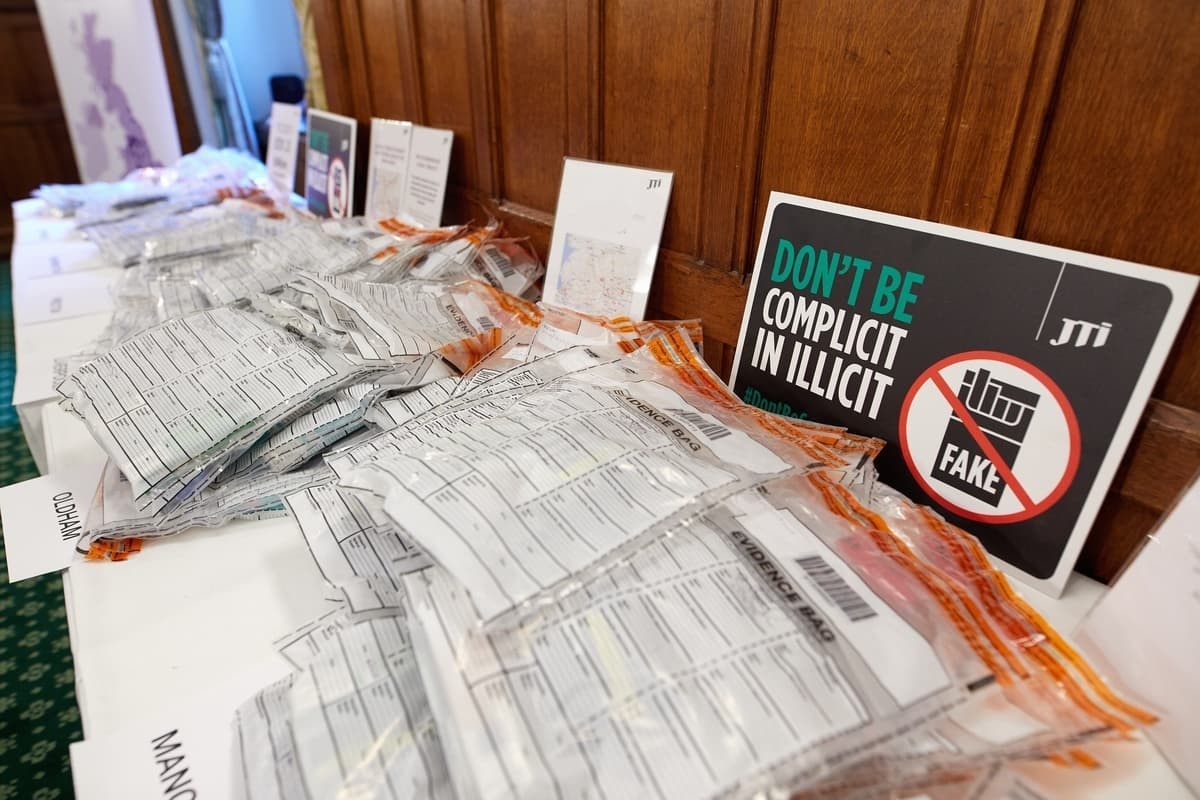
According to the study, the research team has traveled to certain regions to conduct on-site investigations into the issue of illegal tobacco and e-cigarette sales. The results of the investigation revealed the extent of illegal tobacco sales in the UK, with West Yorkshire specifically experiencing a significant problem with illegal sales.
Regarding the public's perception of the organized crime risks that illegal tobacco and e-cigarette sales may pose to their local communities, nearly half of respondents (46%) believe the risks are "high" (29%) or "very high" (17%).
Popular measures to combat the illegal sale and distribution of tobacco and e-cigarettes include increasing fines for violators (59%), automatically revoking store licenses (also 59%), and automatically shutting down stores (44%).
Sarah Connor, director of communications for JTI UK, commented: "The illegal sale of tobacco and e-cigarettes is a major issue, causing significant negative impacts on communities. With tightening budgets for most people, and increasing taxes on legal tobacco and e-cigarette products, it is not surprising that more and more consumers are turning to illegal products as a cheaper alternative."
The company is calling for stronger cooperation between the government and the tobacco industry to prevent the sale of illicit tobacco and e-cigarettes.
According to a recent JTI survey conducted earlier this year in 2024, more than a quarter of retailers (28%) reported an increase in customers openly seeking illegal tobacco and e-cigarette products, while a quarter of retailers (26%) stated that their businesses have been negatively impacted due to other businesses in the community selling illegal tobacco and e-cigarettes.
Retailers believe that the main reason why 76% of retailers sell illegal tobacco or e-cigarette products is to boost sales, while customers are increasingly likely to purchase these illicit products because they are cheaper than legal alternatives.
Despite these findings, it is surprising that 95% of retailers reported that they have never reported a merchant selling illegal tobacco or e-cigarette products to the trade standards bureau.
Harsh punishments and fines, more frequent inspections from the trade standards agency, and stronger border controls to reduce the influx of illegal products into the UK are the most commonly cited solutions by retailers when discussing the support needed to address the issue of illegal tobacco.
We welcome news tips, article submissions, interview requests, or comments on this piece.
Please contact us at info@2firsts.com, or reach out to Alan Zhao, CEO of 2Firsts, on LinkedIn
Notice
1. This article is intended solely for professional research purposes related to industry, technology, and policy. Any references to brands or products are made purely for objective description and do not constitute any form of endorsement, recommendation, or promotion by 2Firsts.
2. The use of nicotine-containing products — including, but not limited to, cigarettes, e-cigarettes, nicotine pouchand heated tobacco products — carries significant health risks. Users are responsible for complying with all applicable laws and regulations in their respective jurisdictions.
3. This article is not intended to serve as the basis for any investment decisions or financial advice. 2Firsts assumes no direct or indirect liability for any inaccuracies or errors in the content.
4. Access to this article is strictly prohibited for individuals below the legal age in their jurisdiction.
Copyright
This article is either an original work created by 2Firsts or a reproduction from third-party sources with proper attribution. All copyrights and usage rights belong to 2Firsts or the original content provider. Unauthorized reproduction, distribution, or any other form of unauthorized use by any individual or organization is strictly prohibited. Violators will be held legally accountable.
For copyright-related inquiries, please contact: info@2firsts.com
AI Assistance Disclaimer
This article may have been enhanced using AI tools to improve translation and editorial efficiency. However, due to technical limitations, inaccuracies may occur. Readers are encouraged to refer to the cited sources for the most accurate information.
We welcome any corrections or feedback. Please contact us at: info@2firsts.com