UK introduces lifetime smoking ban for post-2009 generation, limits e-cigarette ads

Nov.05.2024
UK introduces lifetime smoking ban for post-2009 generation, limits e-cigarette ads
UK Parliament to review bill aiming to create a "smoke-free generation" by gradually raising the legal smoking age, extending indoor smoking bans to some outdoor areas, and tightening restrictions on e-cigarette advertising and flavors.

A bill banning minors from smoking is set to be submitted to the UK Parliament, according to a report by the Independent on November 5.


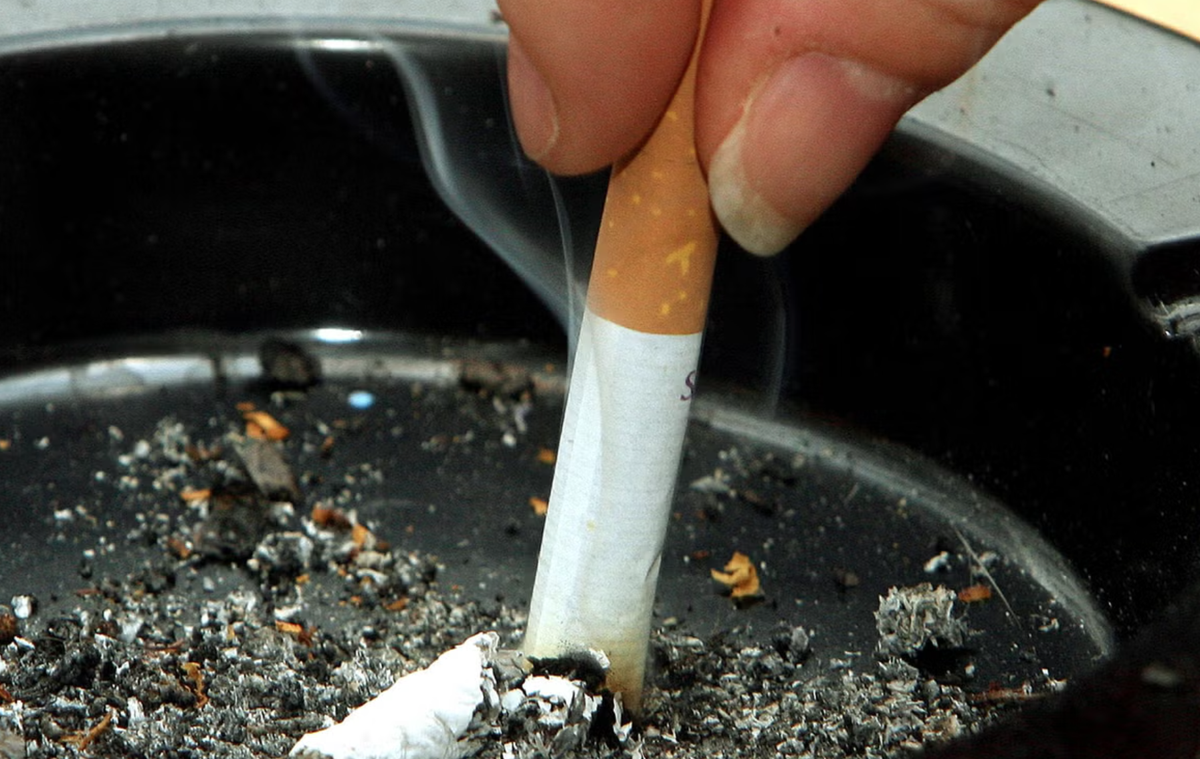
The Tobacco and Vapes Bill aims to create the first "smoke-free generation" by gradually raising the minimum age to purchase tobacco and banning legal smoking for those born after January 1, 2009.


UK government officials stated that this "historic" legislation is expected to "save thousands of lives and protect the National Health Service (NHS)." The bill is planned to be submitted to the House of Commons on Tuesday (5th).


The bill also considers extending indoor smoking bans to certain outdoor areas, such as playgrounds, schools, and hospital grounds. Additionally, to reduce the appeal of e-cigarettes to children and teenagers, the bill will impose restrictions on their advertising, sponsorship, flavors, display, and packaging. Disposable e-cigarettes will also be banned from June 1, 2025, under separate environmental legislation.


"Unless we act to help people stay healthy, the rising tide of ill-health in our society threatens to overwhelm and bankrupt our NHS,” Health Secretary Wes Streeting said in the statement. “Prevention is better than cure."


A similar bill had previously been submitted by a former government but was shelved due to the general election. In July 2023, the Labour government reintroduced the proposal. Reports in August indicated that the government was considering banning smoking in certain outdoor areas such as outside pubs and sports stadiums.


Dr. Ian Walker, Director of Policy at Cancer Research UK, said, “By raising the legal age for tobacco sales and adequately funding smoking cessation services, the government can build a healthier future, prevent cancer, and protect people from lifelong, deadly, and costly addictions.”


Professor Sir Chris Whitty, England’s Chief Medical Officer, welcomed the introduction of the bill and said, “This is landmark legislation that, if passed, will have a positive and lasting impact on national health. A ‘smoke-free nation’ will prevent diseases, disabilities, and premature deaths.”


Hazel Cheeseman, CEO of Action on Smoking and Health (ASH), hailed the bill as “world-leading legislation.”


“It has sparked an important debate about smoking and its immense harm to society. Over the past 50 years, smoking has claimed the lives of more than eight million people in the UK. The health sector and the public support the government’s historic effort to gradually phase out tobacco sales.”


We welcome news tips, article submissions, interview requests, or comments on this piece.

Please contact us at info@2firsts.com, or reach out to Alan Zhao, CEO of 2Firsts, on LinkedIn


Notice

1.  This article is intended solely for professional research purposes related to industry, technology, and policy. Any references to brands or products are made purely for objective description and do not constitute any form of endorsement, recommendation, or promotion by 2Firsts.

2.  The use of nicotine-containing products — including, but not limited to, cigarettes, e-cigarettes, nicotine pouchand heated tobacco products — carries significant health risks. Users are responsible for complying with all applicable laws and regulations in their respective jurisdictions.

3.  This article is not intended to serve as the basis for any investment decisions or financial advice. 2Firsts assumes no direct or indirect liability for any inaccuracies or errors in the content.

4.  Access to this article is strictly prohibited for individuals below the legal age in their jurisdiction.


Copyright


This article is either an original work created by 2Firsts or a reproduction from third-party sources with proper attribution. All copyrights and usage rights belong to 2Firsts or the original content provider. Unauthorized reproduction, distribution, or any other form of unauthorized use by any individual or organization is strictly prohibited. Violators will be held legally accountable.

For copyright-related inquiries, please contact: info@2firsts.com


AI Assistance Disclaimer


This article may have been enhanced using AI tools to improve translation and editorial efficiency. However, due to technical limitations, inaccuracies may occur. Readers are encouraged to refer to the cited sources for the most accurate information.

We welcome any corrections or feedback. Please contact us at: info@2firsts.com

Sweden Finds ZYN Ingredient Labels Noncompliant Over Generic Flavoring Disclosure, Swedish Match Faces SEK 2 Million Monthly Penalty
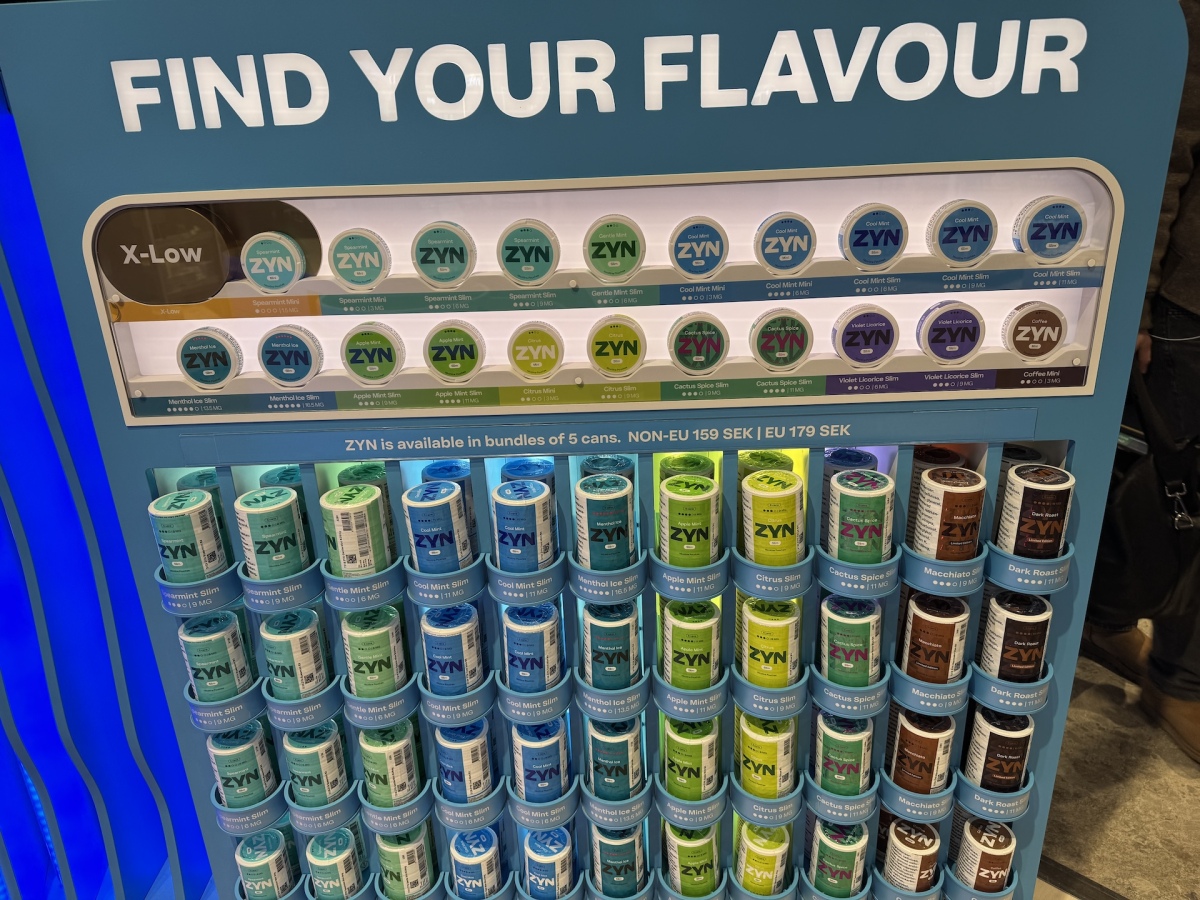
Sweden's Public Health Agency has found ingredient labels on ZYN nicotine pouches sold by Philip Morris International subsidiary Swedish Match to be noncompliant, according to Dagens industri. The products' packaging listed 10 to 13 ingredients, compared with 11 to 42 in regulatory submissions, with multiple flavoring ingredients grouped under the generic term "aromer." The agency ordered corrective action, warning of a conditional penalty of SEK 2 million per month for noncompliance. The order applies only to products manufactured after the decision becomes legally effective and does not require recalls. Swedish Match disputes the agency's interpretation and plans to appeal.
PMI
Oct.22
UK HMRC Launches Vape Duty Stamps on October 1, Ushering in Supply-Chain Traceability as Chinese Exporters Face New Compliance Hurdles
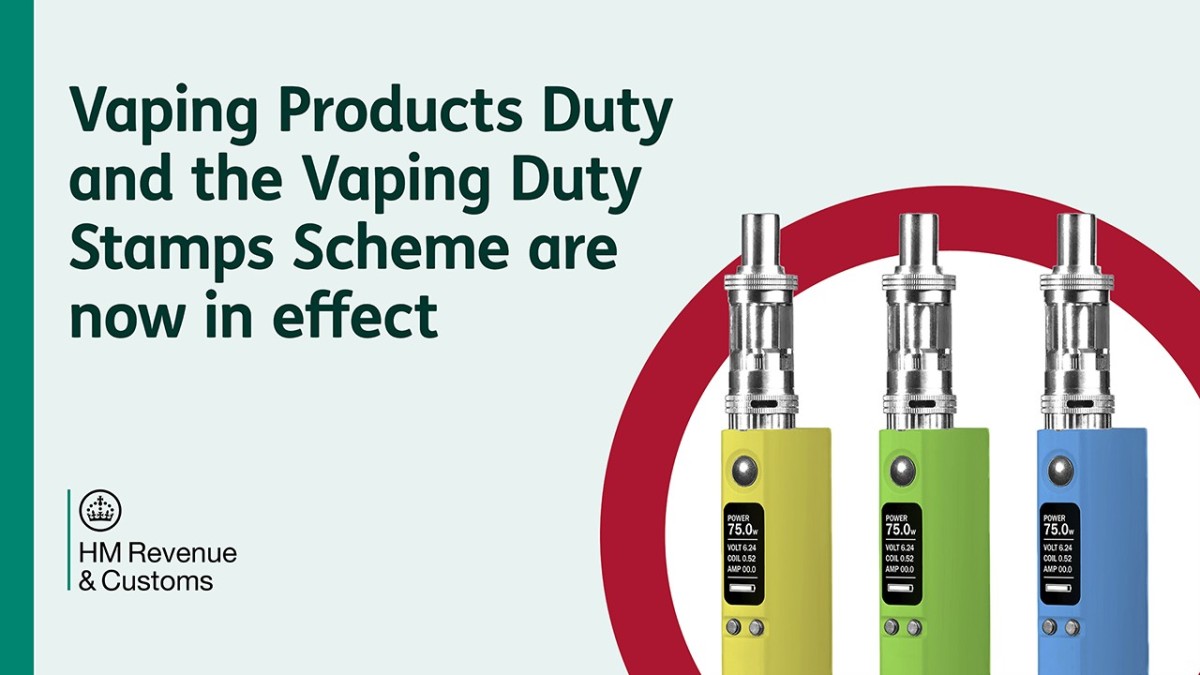
HM Revenue & Customs put the UK's Vaping Products Duty and Vaping Duty Stamps Scheme into effect on October 1. All vaping liquids manufactured in or imported into the UK are now subject to duty at £2.20 per 10ml, regardless of nicotine content. The stamp regime will introduce digital functionality designed to provide traceability throughout the supply chain, with approved manufacturers, importers and warehousekeepers required to report product movements and retailers and consumers eventually able to scan stamps to verify authenticity. China exported $177 million of vape-related products to the UK in August, up 51.4% year over year, increasing the significance of the new compliance regime for China's Shenzhen-centered vape supply chain.
Regulations
Oct.04
UK Vape Duty Starts in October as Hayati, DOJO and Others Launch Lower-Capacity Products With Lower Per-Unit Tax
The UK's Vaping Products Duty will take effect on October 1, 2026, at a flat rate of £2.20 per 10ml of vaping liquid. Ahead of implementation, DOJO, PIXL and Hayati have introduced or been reported to be adding lower-capacity tiers alongside larger products. DOJO has added a 6ml BLAST7K Fresh below its 10ml BLAST10K Fresh, PIXL offers both a 12ml 8000 and a 6ml 5K, while retailer Ninja Vapes says Hayati is preparing a 7ml 4K alongside its existing 12ml 6K. The pattern points to a growing lower-capacity tier in the UK market, although the brands have not all explicitly linked the changes to the new duty.
Sep.23
South Korea Constitutional Court Upholds Volume-Based E-Liquid Tax, With Challenged Rates at KRW 370 and KRW 628 per Milliliter
South Korea's Constitutional Court has upheld fixed taxes on nicotine-containing e-cigarette liquids based on solution volume, ruling that challenged provisions imposing KRW 370 per milliliter in individual consumption tax and KRW 628 per milliliter in tobacco consumption tax do not violate the Constitution. The cases stemmed from historical disputes involving importers that reported nicotine as being extracted from tobacco stems rather than leaves. South Korea has since broadened its tobacco definition to include synthetic nicotine, while current tax laws provide reduced rates for certain products not derived from tobacco.
Sep.18
Malaysia’s Vape Rules Face Review as Health Minister Dzulkefly Ahmad Addresses Dropped Nicotine Appeal
According to Free Malaysia Today on August 26, 2026, Malaysia’s Health Minister Dzulkefly Ahmad said the Health Ministry would explain the government’s decision to withdraw its appeal against a High Court ruling involving the exemption of liquid nicotine used in vape products from the Poisons List. The High Court previously ruled that the exemption decision was irrational. Dzulkefly said withdrawing the appeal did not mean the government would stop regulating vaping, and that future regulatory approaches would continue under existing legal frameworks.
Aug.28
Cochrane 2026 Update Adds Nine Trials, Keeps High-Certainty Finding That Nicotine E-Cigarettes Improve Quit Rates Over NRT
Cochrane’s 2026 update of its living review on electronic cigarettes for smoking cessation included 80 randomized controlled trials involving 29,861 adult smokers, with nine trials added in this update. The review retained its high-certainty conclusion that nicotine e-cigarettes increase smoking cessation rates compared with nicotine replacement therapy. In absolute terms, about 10 in 100 people using nicotine e-cigarettes may quit smoking for at least six months, compared with about 6 in 100 using NRT. The review found no clear difference in serious adverse event rates between the two groups, while longer-term safety and the relative effectiveness of newer device types remain less certain.
Sep.07