Italian Finance Minister: E-cigarette License Extended to 4 Years, New Online Sales Regulations Coming

Oct.17.2024
Italian Finance Minister: E-cigarette License Extended to 4 Years, New Online Sales Regulations Coming
Italian Minister of Economy extends e-cigarettee-liquid sales authorization from two to four years, prohibits online nicotine sales starting 2025.

According to Svapo Magazine reported on October 16th, Italian Minister of Economy and Finance Giancarlo Giorgetti announced at a press conference on the year-end financial plan that the authorization period for the sale of e-cigarette liquid and processed tobacco will be extended from two years to four years.


From January 1, 2025, all newly issued sales licenses will have a validity period of four years, according to the new regulations. Similarly, existing licenses set to expire before this date will also be extended for the same period.


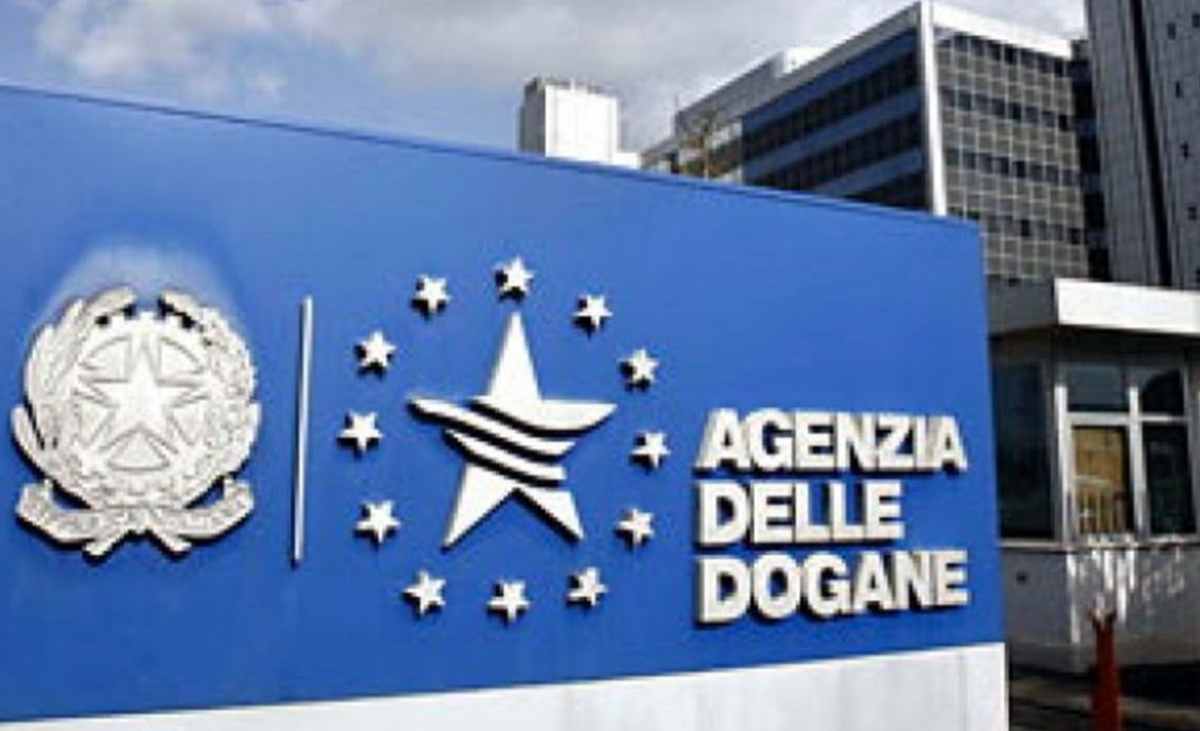
In addition, the e-cigarette industry in Italy will continue to undergo reforms. In addition to extending licensing periods, online sales of nicotine-containing products will be banned starting in 2025. The issue of online sales of nicotine-free products is still unclear and may be further clarified by the Customs Agency and the State Monopoly Agency (Agenzia Dogane e Monopoli).


We welcome news tips, article submissions, interview requests, or comments on this piece.

Please contact us at info@2firsts.com, or reach out to Alan Zhao, CEO of 2Firsts, on LinkedIn


Notice

1.  This article is intended solely for professional research purposes related to industry, technology, and policy. Any references to brands or products are made purely for objective description and do not constitute any form of endorsement, recommendation, or promotion by 2Firsts.

2.  The use of nicotine-containing products — including, but not limited to, cigarettes, e-cigarettes, nicotine pouchand heated tobacco products — carries significant health risks. Users are responsible for complying with all applicable laws and regulations in their respective jurisdictions.

3.  This article is not intended to serve as the basis for any investment decisions or financial advice. 2Firsts assumes no direct or indirect liability for any inaccuracies or errors in the content.

4.  Access to this article is strictly prohibited for individuals below the legal age in their jurisdiction.


Copyright


This article is either an original work created by 2Firsts or a reproduction from third-party sources with proper attribution. All copyrights and usage rights belong to 2Firsts or the original content provider. Unauthorized reproduction, distribution, or any other form of unauthorized use by any individual or organization is strictly prohibited. Violators will be held legally accountable.

For copyright-related inquiries, please contact: info@2firsts.com


AI Assistance Disclaimer


This article may have been enhanced using AI tools to improve translation and editorial efficiency. However, due to technical limitations, inaccuracies may occur. Readers are encouraged to refer to the cited sources for the most accurate information.

We welcome any corrections or feedback. Please contact us at: info@2firsts.com

UK Barnsley: Town-centre vape shop and owner hit with £15,000+ bill after ignoring three improvement notices
A Barnsley town-centre vape retailer and its owner have been ordered to pay more than £15,000 after admitting multiple offences linked to the continued sale of illegal single-use vapes and non-compliant food items, despite three formal improvement notices.
Feb.06 by 2FIRSTS.ai
West Virginia House passes “Vape Safety Act of 2026,” creating licensing and product directory requirements
West Virginia’s House of Delegates passed the Vape Safety Act of 2026, a proposal to tighten oversight of vape and smoke shops through licensing, fees and enforcement. The bill would establish a state directory requiring vape products sold in West Virginia to have FDA marketing authorization or a pending application under FDA review to be listed, and only directory-listed products could be sold starting Sept. 1, 2026 if enacted.
Feb.28 by 2FIRSTS.ai
Thai Customs Plans Shift to Per-Unit Fines for Vapes at THB 100 Per Item
Thai Customs said on March 18 that it had seized more than 27.3 million foreign cigarettes and 205,445 vape products and related devices in mid-February, with a total value of more than THB 169 million.
Mar.19 by 2FIRSTS.ai
FDA Commissioner Stresses “Predictability” as Science Chief Addresses Industry Uncertainty
FDA Commissioner Marty Makary briefly appeared at the February 10 PMTA roundtable, underscoring the importance of regulatory predictability. At the close of the session, Office of Science Director Matthew Farrelly responded to industry concerns over review uncertainty, stating the agency will issue a written summary of feedback, while reiterating that no fixed quantitative risk benchmark governs authorization decisions.
Feb.11
Vape sellers sue to block Texas law banning e-liquids from China and other “foreign adversaries”
A group of vape distributors and retailers has sued to block enforcement of a Texas law that criminalizes selling or marketing vape products containing e-liquids made wholly or partly in China or in countries designated as “foreign adversaries” by the U.S. Commerce Secretary. The plaintiffs argue the law violates the U.S. Constitution because only Congress may regulate foreign commerce.
Feb.03 by 2FIRSTS.ai
IMF Article Sets Out Three Principles: Cover All Harmful Products, Match Tax Rates to Harm, Improve Cross-Border Coordination
A March 2026 article in Finance & Development, “Taxing Harmful Habits,” argues that taxes on harmful products such as tobacco, alcohol and sugary drinks should better reflect the health harm they cause. The authors propose three principles: capture all harmful products, align tax rates with health harm, and strengthen cross-border coordination to reduce evasion and smuggling.
Mar.24 by 2FIRSTS.ai