ITM Semiconductor Co..Ltd to Develop E-cigarette Devices for KT&G

Jan.06.2025
ITM Semiconductor Co..Ltd to Develop E-cigarette Devices for KT&G
ITM Semiconductor Co..Ltd has signed a contract with KT&G for new e-cigarette development services, aiming for increased sales by 2025.

According to a report from N.News on January 3, South Korean secondary battery protection circuit technology company ITM Semiconductor Co., Ltd (referred to as "ITM Semiconductor") has announced that it has signed a contract with South Korean tobacco company KT&G for the development of new e-cigarette products. Under the contract, ITM Semiconductor is expected to supply KT&G with four devices, including strategic export models, in addition to the currently mass-produced "Lil Hybrid," by 2025.


The newly developed e-cigarette device model is designed for export only. If mass production goes according to plan, it is expected to generate additional sales starting in the second half of 2025. ITM Semiconductor predicts that its e-cigarette sales growth rate will be more than double that of 2024.


Various stages of work, including development validation, trial production validation, and mass production validation, will be carried out within the contract period. Mass production is planned to begin in 2025, with mass supply achieved by 2026.


ITM Semiconductor's future business head, Baek Cheol-seung, stated that...


The global e-cigarette market is currently undergoing rapid growth, and we are preparing to supply products to client companies at the right time and place. In the future, we will establish a system capable of producing a variety of e-cigarettes through continuous technological development.


According to reports, ITM Semiconductor was established in 2000 and is a South Korean company that produces protection circuits for mobile phone batteries. In 2022, the company began producing e-cigarette devices and pods, and due to its expertise in large battery technology, it is expanding its business into the defense industry sector.


We welcome news tips, article submissions, interview requests, or comments on this piece.

Please contact us at info@2firsts.com, or reach out to Alan Zhao, CEO of 2Firsts, on LinkedIn


Notice

1.  This article is intended solely for professional research purposes related to industry, technology, and policy. Any references to brands or products are made purely for objective description and do not constitute any form of endorsement, recommendation, or promotion by 2Firsts.

2.  The use of nicotine-containing products — including, but not limited to, cigarettes, e-cigarettes, nicotine pouchand heated tobacco products — carries significant health risks. Users are responsible for complying with all applicable laws and regulations in their respective jurisdictions.

3.  This article is not intended to serve as the basis for any investment decisions or financial advice. 2Firsts assumes no direct or indirect liability for any inaccuracies or errors in the content.

4.  Access to this article is strictly prohibited for individuals below the legal age in their jurisdiction.


Copyright


This article is either an original work created by 2Firsts or a reproduction from third-party sources with proper attribution. All copyrights and usage rights belong to 2Firsts or the original content provider. Unauthorized reproduction, distribution, or any other form of unauthorized use by any individual or organization is strictly prohibited. Violators will be held legally accountable.

For copyright-related inquiries, please contact: info@2firsts.com


AI Assistance Disclaimer


This article may have been enhanced using AI tools to improve translation and editorial efficiency. However, due to technical limitations, inaccuracies may occur. Readers are encouraged to refer to the cited sources for the most accurate information.

We welcome any corrections or feedback. Please contact us at: info@2firsts.com

From Border-Logistics Insiders to Retail Service Stations, Australia Mounts a Sweeping Crackdown on the Illicit Nicotine Trade as iGET Vapes Surface in A$80 Million Crime Networks
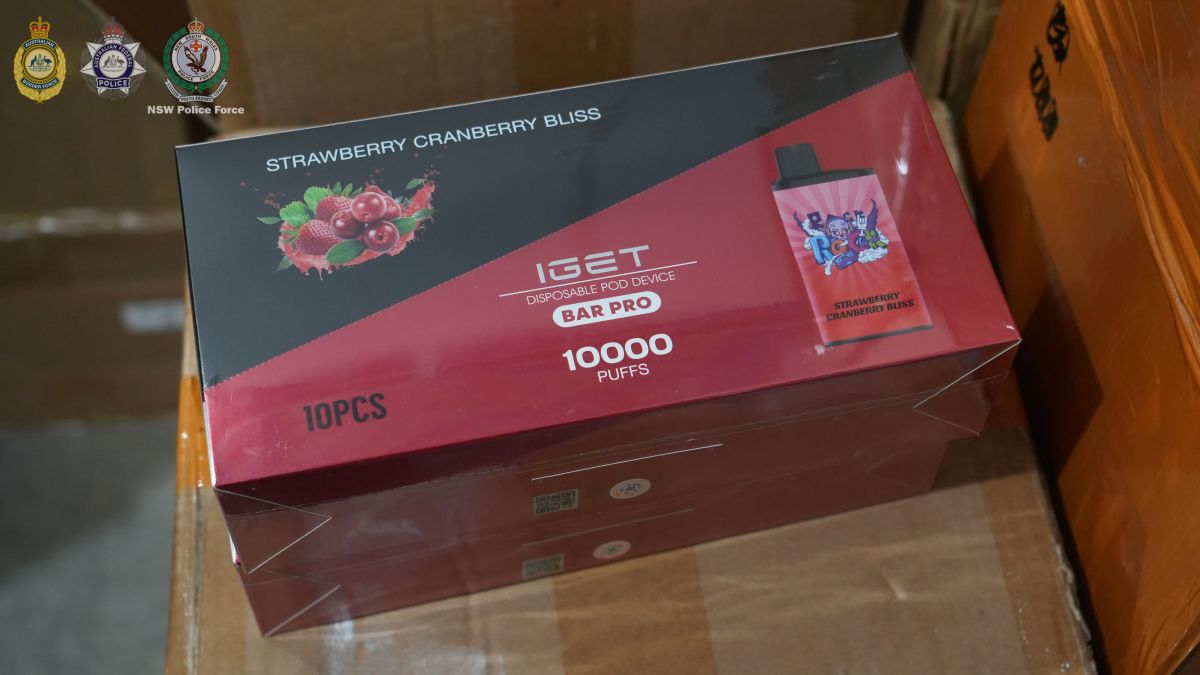
Australian authorities have disclosed two major enforcement actions that go beyond product seizures and retail closures to examine how illicit tobacco and vape networks operate. On Aug. 14, the Multi Agency Strike Team said seven people had been charged and two criminal networks were valued by authorities at a combined A$80 million, or about US$56.8 million. Investigators allege the groups used bonded warehouses, freight businesses and “trusted insiders” in legitimate industries to circumvent border controls. In a separate operation on Aug. 11, more than 100 service stations were targeted as authorities sought information on illicit tobacco importation, distribution networks and the movement of sales proceeds.
Aug.17
Malaysia Withdraws Appeal Against Liquid Nicotine Ruling as Vape Regulation Framework Enters New Phase
Malaysia’s government has withdrawn its appeal against a High Court ruling concerning the regulatory status of liquid nicotine used in vape and e-cigarette products, according to reports by New Straits Times, Free Malaysia Today and CodeBlue on August 18, 2026. The Kuala Lumpur High Court ruled on May 15 that the government’s decision to remove liquid nicotine from the scheduled poisons list under the Poisons Act 1952 was irrational and made without proper consultation with the Poisons Board. The withdrawal ends the government’s appeal process, while the future regulatory framework for nicotine vape products remains under discussion.
Aug.21
Australia-China Operation Dismantles Tobacco Smuggling Network: 112 Containers, 60 Arrests and A$92 Million in Illicit Tobacco
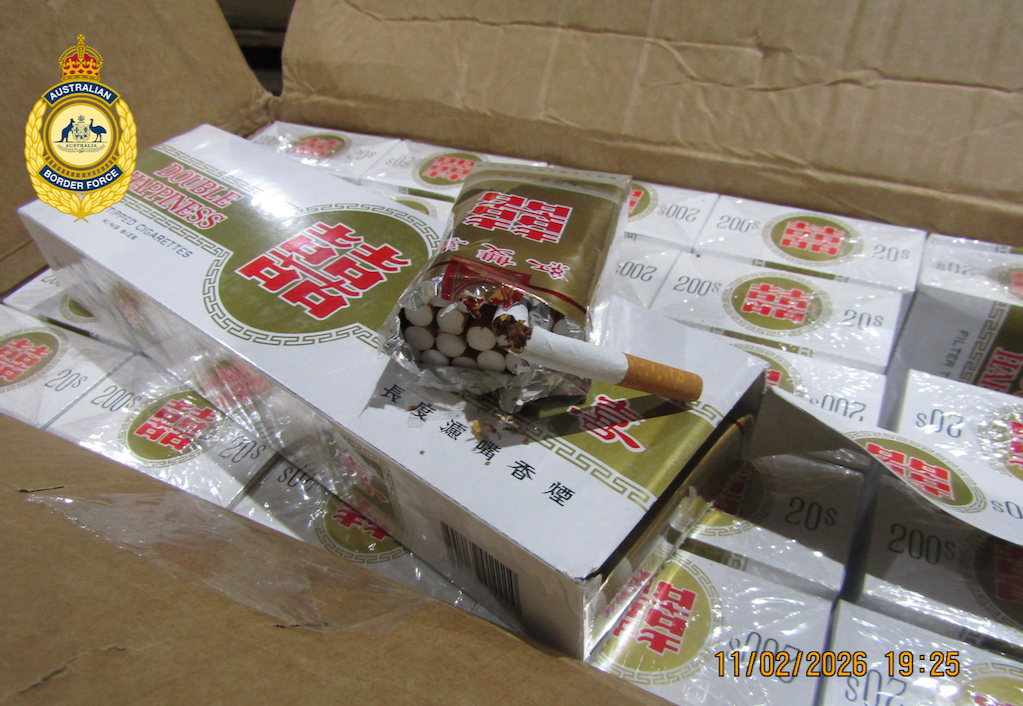
According to The Maritime Executive on August 19, 2026, the Australian Border Force (ABF) and China’s Anti-Smuggling Bureau of General Administration of China Customs worked together to dismantle an international illicit tobacco smuggling network targeting Australia. According to information released by ABF on August 20, sustained information sharing and cooperation led to investigations into 112 shipping containers, with 91 found to contain illicit tobacco. Authorities seized more than 60 million cigarettes and 60 kilograms of loose-leaf tobacco, representing more than A$92 million in unpaid duties. More than 60 people suspected of involvement in the network were arrested in China.
Aug.20
Reuters Tracks Big Tobacco’s Shift Beyond Cigarettes as Nicotine Pouches Vie for the Next Growth Curve
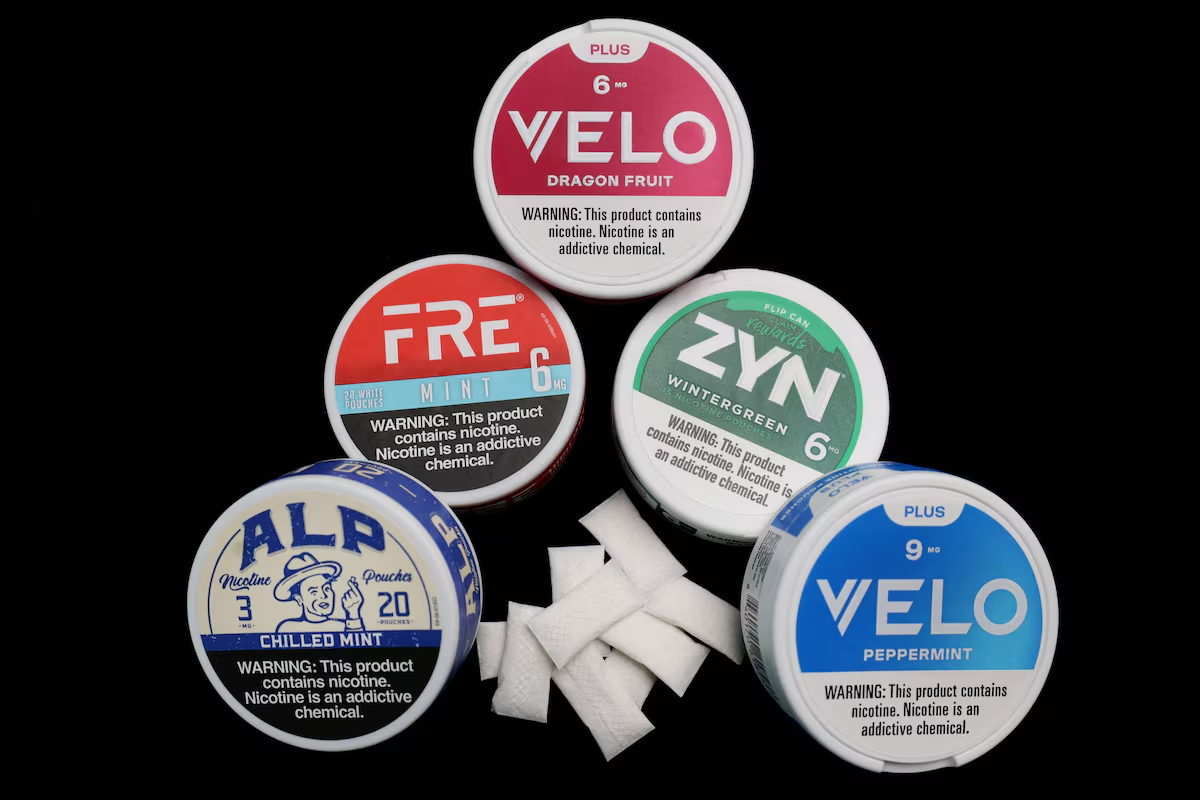
As cigarette markets face long-term pressure, major tobacco companies are increasingly turning to nicotine pouches in search of growth beyond combustible tobacco. Reuters has examined whether nicotine pouches can become the next strategic growth platform for companies including Philip Morris International, British American Tobacco and Japan Tobacco. PMI strengthened its position through the acquisition of Swedish Match and its ZYN brand, while BAT and JTI continue expanding their own nicotine pouch portfolios. The category has gained attention because of its smoke-free, device-free format, but regulation, youth-use concerns and market scale will determine whether it can become a long-term growth engine.
Regulations
Aug.18 by 2Firsts Perspectives
GSTHR Estimates 200 Million People Use Non-Combustible Nicotine Products as 28 Countries Show Rising Use Alongside Falling Smoking Rates
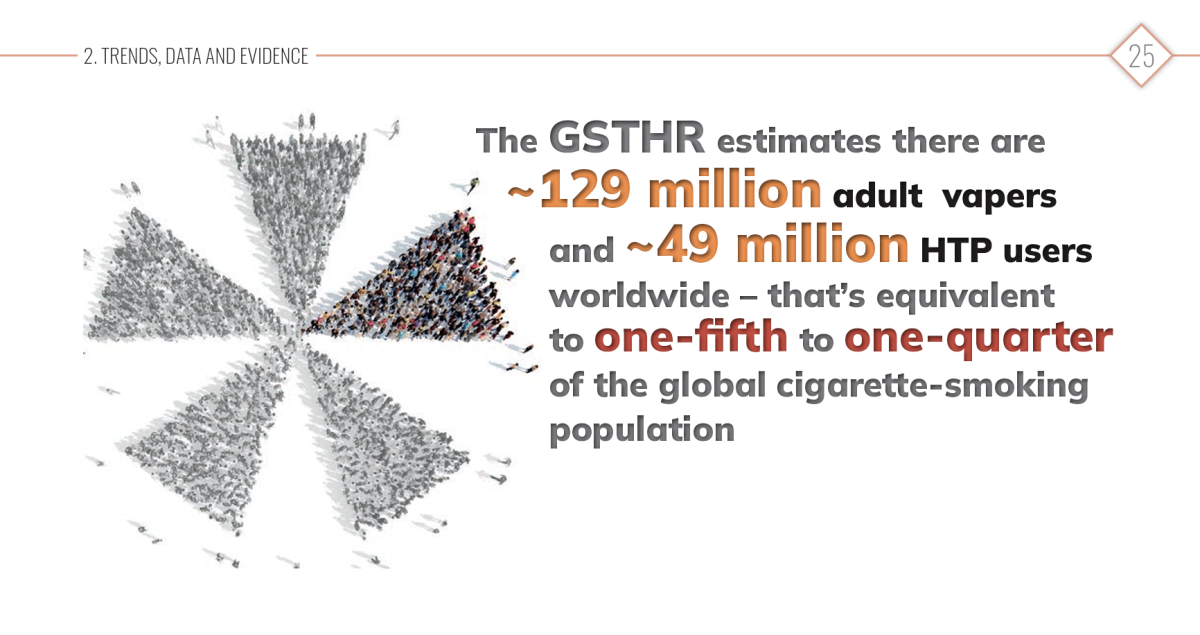
The Global State of Tobacco Harm Reduction, a project operated by Knowledge·Action·Change, estimates that about 200 million people worldwide use non-combustible nicotine products including vapes, heated tobacco, nicotine pouches and snus. Its 2026 report says use of these products rose alongside declining smoking rates in 28 countries it analyzed. The data do not establish that all 200 million users have quit smoking, nor do they prove a direct causal relationship. GSTHR also says regulatory restrictions on the products continue to expand in many markets.
Sep.10
Retail Case Study | Wisconsin Vape Market One Year After New Regulations: Johnny Vapes Reports 80% Sales Decline as Consumers Shift Online and Across State Lines
According to WNCY on August 24, 2026, some independent vape retailers in Wisconsin say they have faced significant business pressure one year after new vape regulations took effect. Johnny Vapes, a retailer operating in northeast Wisconsin, said its store count fell from seven locations to four, sales declined by about 80%, and roughly 90% of its inventory was affected. Retailers said some consumers have shifted to online purchases or traveled to neighboring Michigan to buy vape products. The case highlights how local regulations can reshape retail operations, inventory management and consumer purchasing patterns.
Aug.28