Kazakhstan Cracks Down on Illegal E-Cigarette Sales: Over 38,000 Units Destroyed This Year

Dec.02.2024
Kazakhstan Cracks Down on Illegal E-Cigarette Sales: Over 38,000 Units Destroyed This Year
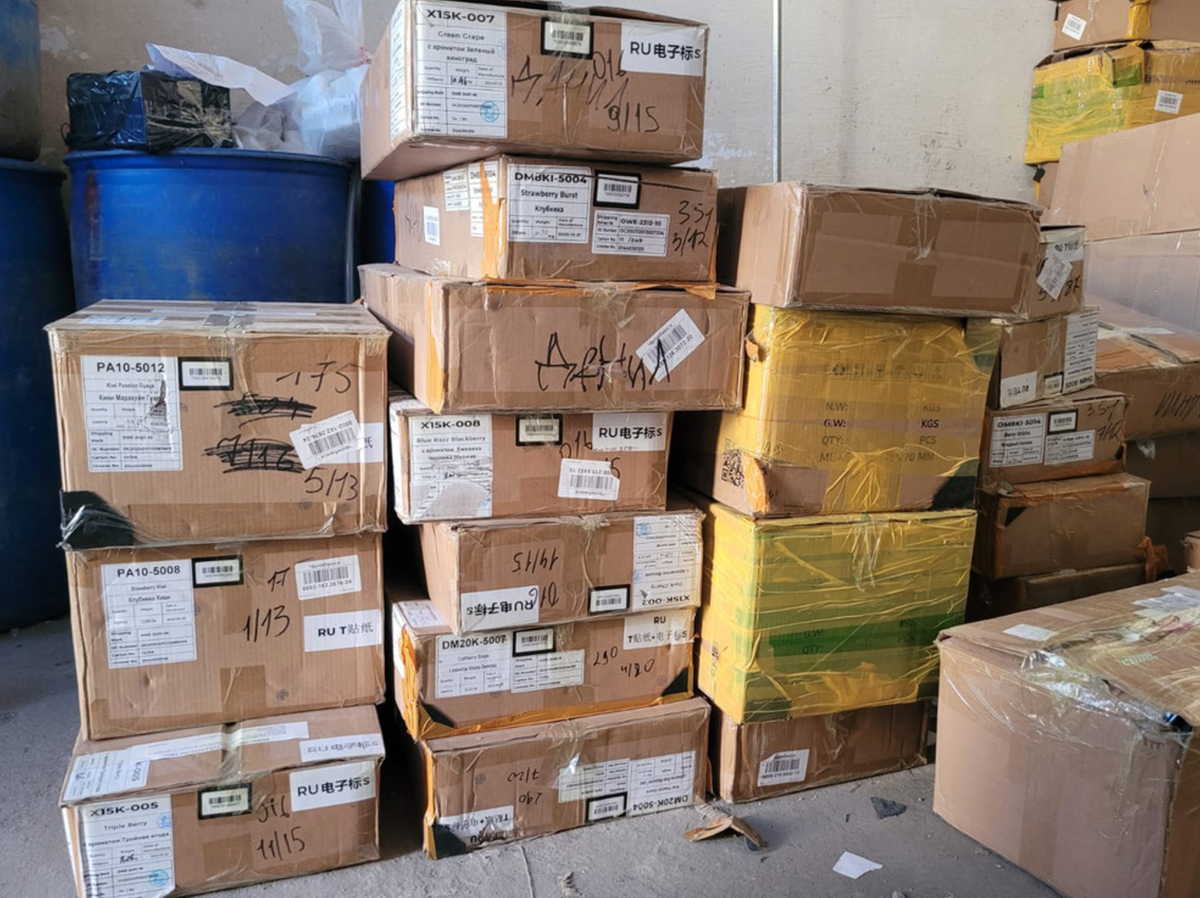
Kazakhstan authorities have seized around 7,500 e-cigarettes in a recent bust, as part of a broader crackdown on illegal sales. More than 38,000 e-cigarettes have been destroyed this year alone, underscoring the government's efforts to curb the illicit trade of vaping products.

According to Kst News on November 29, Kazakhstan's Economic Investigation Department in the Kustanay region uncovered a nationwide illegal e-cigarette sales operation. Investigations revealed that the minimum order amount was 100,000 tenge (approximately $200), with payments processed through a foreign national’s bank account.


During the search, police confiscated approximately 7,500 e-cigarettes from the suspect’s home. The court convicted the individual and sentenced him to one year of restricted freedom.


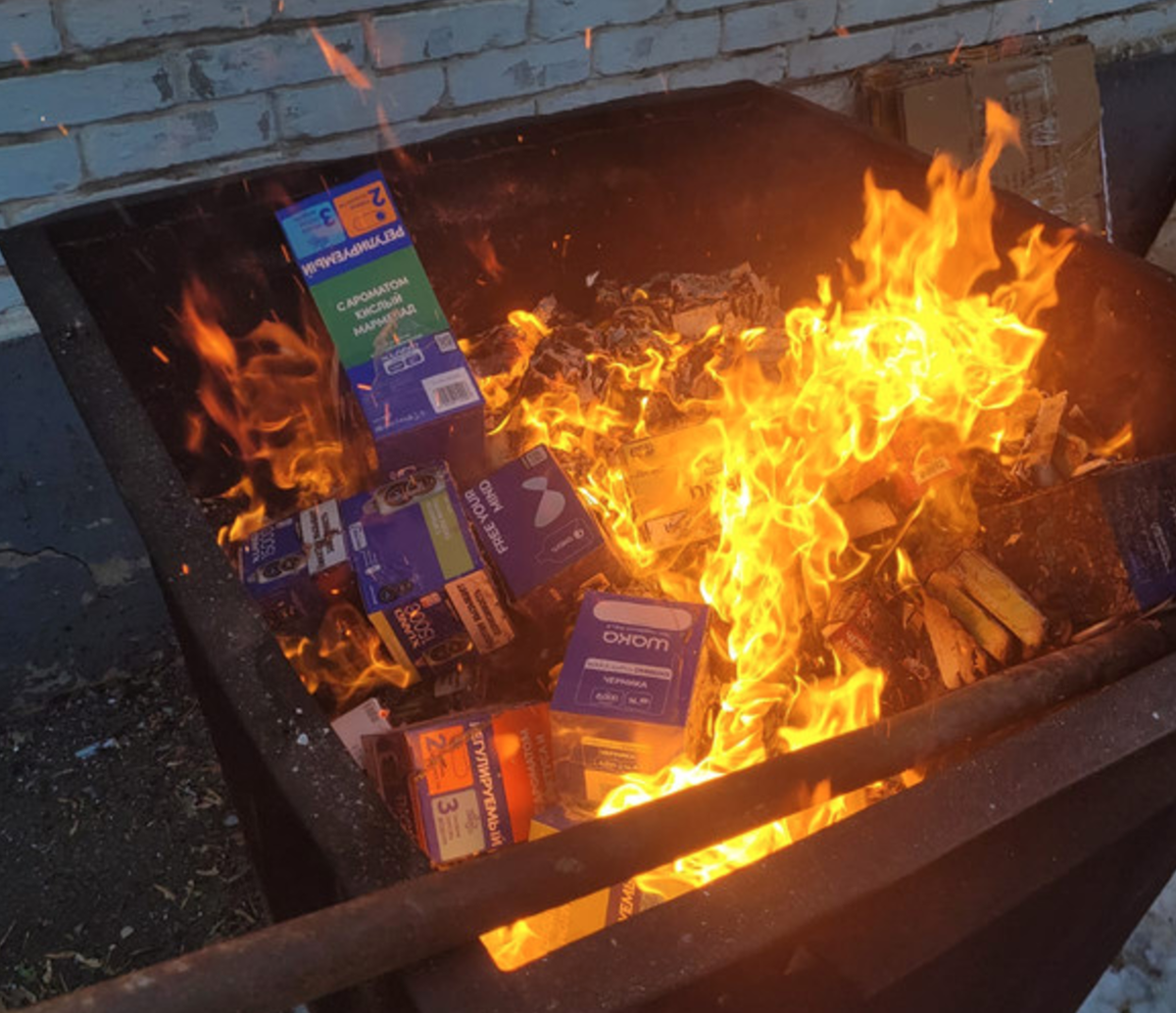
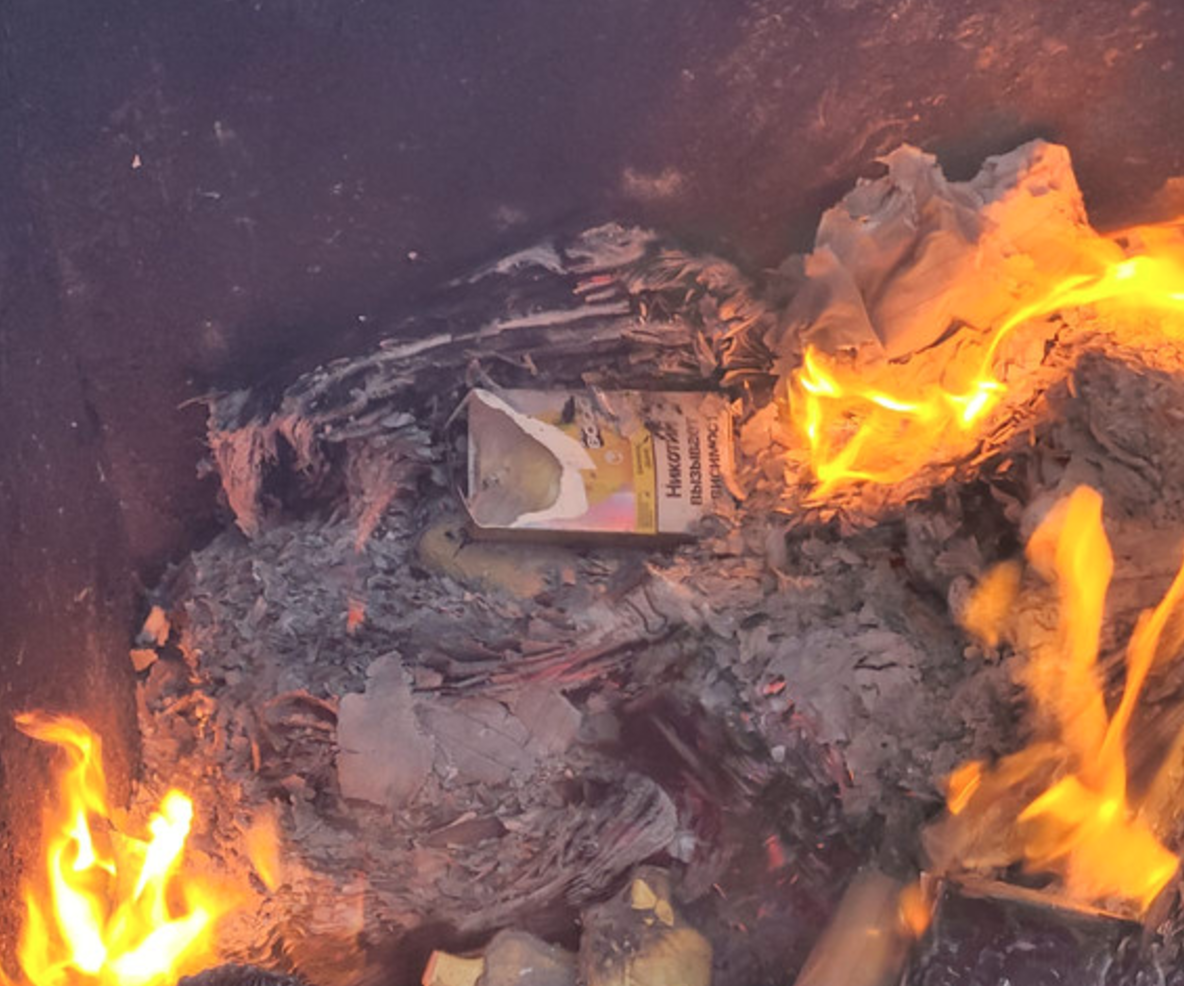
So far this year, four individuals have been arrested for similar offenses, three of whom have been sentenced, while another case remains under pre-trial investigation. The destroyed items in this case included 7,498 e-cigarettes, as well as 292 promotional materials, packaging bags, and display stands.
 

Kazakhstan Cracks Down on Illegal E-Cigarette Sales: Over 38,000 Units Destroyed This Year
Illegal e-cigarettes that have been seized are being destroyed | Image source: Kst News


Kazakhstan Cracks Down on Illegal E-Cigarette Sales: Over 38,000 Units Destroyed This Year
Illegal e-cigarettes seized are being destroyed | Image source: Kst News


Since the beginning of the year, over 38,000 e-cigarettes have been destroyed.


We welcome news tips, article submissions, interview requests, or comments on this piece.

Please contact us at info@2firsts.com, or reach out to Alan Zhao, CEO of 2Firsts, on LinkedIn


Notice

1.  This article is intended solely for professional research purposes related to industry, technology, and policy. Any references to brands or products are made purely for objective description and do not constitute any form of endorsement, recommendation, or promotion by 2Firsts.

2.  The use of nicotine-containing products — including, but not limited to, cigarettes, e-cigarettes, nicotine pouchand heated tobacco products — carries significant health risks. Users are responsible for complying with all applicable laws and regulations in their respective jurisdictions.

3.  This article is not intended to serve as the basis for any investment decisions or financial advice. 2Firsts assumes no direct or indirect liability for any inaccuracies or errors in the content.

4.  Access to this article is strictly prohibited for individuals below the legal age in their jurisdiction.


Copyright


This article is either an original work created by 2Firsts or a reproduction from third-party sources with proper attribution. All copyrights and usage rights belong to 2Firsts or the original content provider. Unauthorized reproduction, distribution, or any other form of unauthorized use by any individual or organization is strictly prohibited. Violators will be held legally accountable.

For copyright-related inquiries, please contact: info@2firsts.com


AI Assistance Disclaimer


This article may have been enhanced using AI tools to improve translation and editorial efficiency. However, due to technical limitations, inaccuracies may occur. Readers are encouraged to refer to the cited sources for the most accurate information.

We welcome any corrections or feedback. Please contact us at: info@2firsts.com

Tobacco Farming in the New Nicotine Era: Why Indian Farmers Struggle to Transition — Contributed by Samrat Chowdhery
In this contributed article to 2Firsts, Mumbai-based journalist and harm reduction advocate Samrat Chowdhery examines India’s tobacco transition from the perspective of agriculture, supply chains and regulation. As noted by 2Firsts, India offers a relevant case for understanding how new nicotine technologies may affect not only consumption, trade and policy, but also tobacco farming.
Special Report
May.29
Belgium Approves Vape Flavor Ban, Allowing Only Tobacco-Flavored and Unflavored Products From September 2028
Belgium’s federal government on Thursday approved a ban on flavored vapes, allowing only tobacco-flavored and unflavored e-cigarettes on the market from September 2028. Health Minister Frank Vandenbroucke said the measure is aimed at protecting the health of children and young people and preventing a new generation from becoming dependent on tobacco.
May.06 by 2FIRSTS.ai
U.S. Military Nicotine Policy Sparks Debate as Nicotine Pouches Enter Discussion
An opinion article published by Stars and Stripes argued that the Pentagon’s January nicotine clinical guidelines overemphasize abstinence, fail to reflect the reality that about 30% of active-duty personnel use nicotine, and do not address nicotine pouches as potential harm-reduction products.
Industry Insight
Jun.08
Philippine Anti-Smoking Groups Urge DTI Action Over Alleged Vape Law Violations by ZYN and IQOS
Several anti-smoking and health advocacy groups in the Philippines urged the Department of Trade and Industry to take action against tobacco companies accused of violating the Vape Regulation Act of 2022. The groups said three consecutive complaints had been filed involving nicotine pouch brand ZYN and heated tobacco product company IQOS Philippines.
Apr.27 by 2FIRSTS.ai
BAT AGM Highlights Smokeless Strategy, AI Capability and Regulatory Engagement
BAT Chair Luc Jobin told shareholders at the company’s 2026 Annual General Meeting that BAT delivered on its plans in 2025 despite a challenging external environment, with the U.S. business returning to growth, smokeless consumers increasing by more than 15%, improved New Categories contribution, and GBP 6.3 billion returned to shareholders.
Apr.16 by 2FIRSTS.ai
The new regulations on nicotine in Argentina are creating caution, expectations, and doubts about the market, according to a local reference in harm reduction for smoking.
The new Argentine framework for tobacco and nicotine marks a shift from prohibition towards registration, traceability, and health surveillance. Juan Facundo Teme told 2Firsts that adult consumers and some of the commercial sector are cautiously optimistic, although concerns remain about flavors, registration costs, and market access.
May.11