Kazakhstan police uncover $110,000 worth of illegal e-cigarette trade

Oct.29.2024
Kazakhstan police uncover $110,000 worth of illegal e-cigarette trade
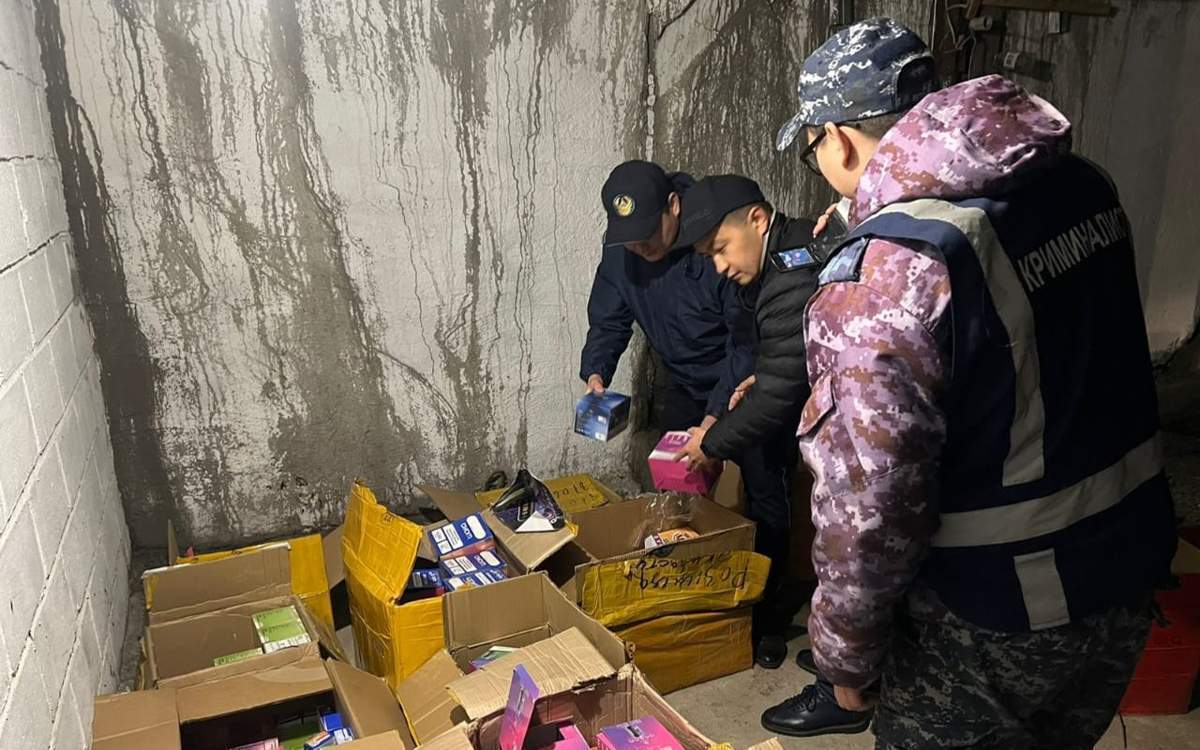
Kazakh police uncover $110,000 worth of illegal e-cigarettes at industrial base in Ekibastuz, with two suspects detained.

According to a report from Kazinform on October 28th, Kazakhstani police discovered a shipment of e-cigarettes valued at 55 million tenge (110,000 USD) at an industrial site in Ekibastuz. The goods were intended for illegal transactions through social media and messaging apps. In addition, authorities also seized nearly 1100 bottles of e-cigarette liquid.


According to police sources, this batch of illegal goods was originally intended for sale. Despite knowing that the circulation of these products has been officially prohibited, some young people continue to sell these e-cigarettes through online stores on well-known social media platforms and instant messaging apps. Currently, two suspects have been detained by the police on suspicion of selling and distributing illegal e-cigarettes.


At the same time, law enforcement officers intercepted a vehicle carrying e-cigarettes during the raid. It is believed that this batch of e-cigarettes was also intended to be delivered to customers who placed orders online.


On June 20th, Kazakhstan officially implemented a law to revise and supplement certain health-related legal provisions, which explicitly bans the sale of smokeless tobacco products and e-cigarettes.


We welcome news tips, article submissions, interview requests, or comments on this piece.

Please contact us at info@2firsts.com, or reach out to Alan Zhao, CEO of 2Firsts, on LinkedIn


Notice

1.  This article is intended solely for professional research purposes related to industry, technology, and policy. Any references to brands or products are made purely for objective description and do not constitute any form of endorsement, recommendation, or promotion by 2Firsts.

2.  The use of nicotine-containing products — including, but not limited to, cigarettes, e-cigarettes, nicotine pouchand heated tobacco products — carries significant health risks. Users are responsible for complying with all applicable laws and regulations in their respective jurisdictions.

3.  This article is not intended to serve as the basis for any investment decisions or financial advice. 2Firsts assumes no direct or indirect liability for any inaccuracies or errors in the content.

4.  Access to this article is strictly prohibited for individuals below the legal age in their jurisdiction.


Copyright


This article is either an original work created by 2Firsts or a reproduction from third-party sources with proper attribution. All copyrights and usage rights belong to 2Firsts or the original content provider. Unauthorized reproduction, distribution, or any other form of unauthorized use by any individual or organization is strictly prohibited. Violators will be held legally accountable.

For copyright-related inquiries, please contact: info@2firsts.com


AI Assistance Disclaimer


This article may have been enhanced using AI tools to improve translation and editorial efficiency. However, due to technical limitations, inaccuracies may occur. Readers are encouraged to refer to the cited sources for the most accurate information.

We welcome any corrections or feedback. Please contact us at: info@2firsts.com

Canada’s B.C. Passes First Vaping Cost-Recovery Framework, Allowing Government to Sue Manufacturers Over Health Expenses
According to the Nelson Star, British Columbia has passed the Vaping Product Damages and Health Care Costs Recovery Act by a 49–42 vote. The legislation enables the provincial government to seek recovery of future public health costs from vape manufacturers, following models used in opioid and tobacco litigation.
Dec.03
German Federal Council calls for ban on disposable vape, government resists change
Germany's Federal Council calls for ban on disposable e-cigarettes due to environmental and economic threats, sparking debate.
Oct.14 by 2FIRSTS.ai
CSUR, the Research Institute Supporting Juul’s PMTA Research, Outlines a New Pathway for Nicotine Pouches
CSUR—the Research Institute Supporting Juul and NJOY’s successful PMTAs—assessed FDA’s pilot for nicotine pouches. The program expedites premarket review by deferring behavioral data to post-market reporting. CSUR says this could speed authorizations, but manufacturers must still produce behavioral and real-world evidence after a Marketing Granted Order to maintain compliance with public-health standards.
Nov.04
Belgian Drug Commissioner Warns of Hidden Opioids in Illegal Vapes
Belgium’s drug commissioner Ine Van Wymersch has warned that more than 80% of illegal refillable vape capsules seized in Belgium contain synthetic opioids, posing serious risks of early addiction among children. She told Euronews that these substances, which have no distinctive smell or color, could lead to opioid dependence from a young age.
Dec.08 by 2FIRSTS.ai
Ukraine intensifies crackdown on illicit tobacco and alcohol markets
Ukraine’s State Tax Service (GNS) has carried out around 24,000 on-site inspections in the tobacco and alcohol sectors this year, imposing more than ₴795 million (US$194 million) in fines and revoking over 2,500 business licences.
Oct.17 by 2FIRSTS.ai
5th Circuit Reviews FDA’s Compliance on Small-Business Impact of Vape Rule
A Fifth Circuit panel expressed doubts about whether the U.S. Food and Drug Administration complied with the Regulatory Flexibility Act when issuing its 2021 final rule on premarket tobacco product applications. Vape companies argued the FDA relied on outdated and inaccurate economic data, while the government said the challenged requirements stem from the Tobacco Control Act.
Dec.03 by 2FIRSTS.ai