Almaty Police Crack Down on Illegal E-cigarette Trade

Oct.14.2024
Almaty Police Crack Down on Illegal E-cigarette Trade
Almaty Police Crack Down on Illegal E-cigarette Trade, with 23 cases filed and over 24,300 devices seized.

According to a recent report by Almaty.TV, Aytan Eleyusizov, Deputy Director of the Local Police Service Management Department of the Almaty Police Department in Kazakhstan, announced during a press conference on combating illegal e-cigarette trading that as of June 20, 2024, Almaty has filed 23 criminal cases related to illegal e-cigarette trading, with 4 cases already concluded and judgments enforced. In these cases, over 24,300 e-cigarette devices were seized and destroyed.


The press conference also detailed the legal consequences of violating regulations. Selling and distributing e-cigarettes could result in fines of up to 738,000 hryvnias (around $1,522) or forced labor; manufacturing and importing could lead to fines of up to 7.4 million hryvnias (around $15,000), forced labor, or up to two years in prison; for more serious crimes, such as organized crime or making substantial profits, penalties include fines of up to 18.4 million hryvnias (around $38,000) or up to five years in prison, with the possibility of asset seizure.


The official emphasized that the police will continue to closely monitor the illegal trading of e-cigarettes in order to safeguard the health and safety of local residents.


We welcome news tips, article submissions, interview requests, or comments on this piece.

Please contact us at info@2firsts.com, or reach out to Alan Zhao, CEO of 2Firsts, on LinkedIn


Notice

1.  This article is intended solely for professional research purposes related to industry, technology, and policy. Any references to brands or products are made purely for objective description and do not constitute any form of endorsement, recommendation, or promotion by 2Firsts.

2.  The use of nicotine-containing products — including, but not limited to, cigarettes, e-cigarettes, nicotine pouchand heated tobacco products — carries significant health risks. Users are responsible for complying with all applicable laws and regulations in their respective jurisdictions.

3.  This article is not intended to serve as the basis for any investment decisions or financial advice. 2Firsts assumes no direct or indirect liability for any inaccuracies or errors in the content.

4.  Access to this article is strictly prohibited for individuals below the legal age in their jurisdiction.


Copyright


This article is either an original work created by 2Firsts or a reproduction from third-party sources with proper attribution. All copyrights and usage rights belong to 2Firsts or the original content provider. Unauthorized reproduction, distribution, or any other form of unauthorized use by any individual or organization is strictly prohibited. Violators will be held legally accountable.

For copyright-related inquiries, please contact: info@2firsts.com


AI Assistance Disclaimer


This article may have been enhanced using AI tools to improve translation and editorial efficiency. However, due to technical limitations, inaccuracies may occur. Readers are encouraged to refer to the cited sources for the most accurate information.

We welcome any corrections or feedback. Please contact us at: info@2firsts.com

French Anti-Tobacco Group Questions PMI’s IQOS “Curiosity” Campaign Over Potential Youth Appeal
According to French anti-tobacco group Générations Sans Tabac, Philip Morris International’s (PMI) IQOS “Curiosity” campaign has drawn attention from public health advocates. The group argues that the campaign uses themes including curiosity, exploration and lifestyle branding that could increase interest among younger audiences. PMI has positioned IQOS as a key part of its smoke-free product strategy, while France maintains strict restrictions on tobacco and nicotine product marketing. The debate highlights ongoing tensions between heated tobacco branding strategies and public health concerns in Europe.
Jul.24
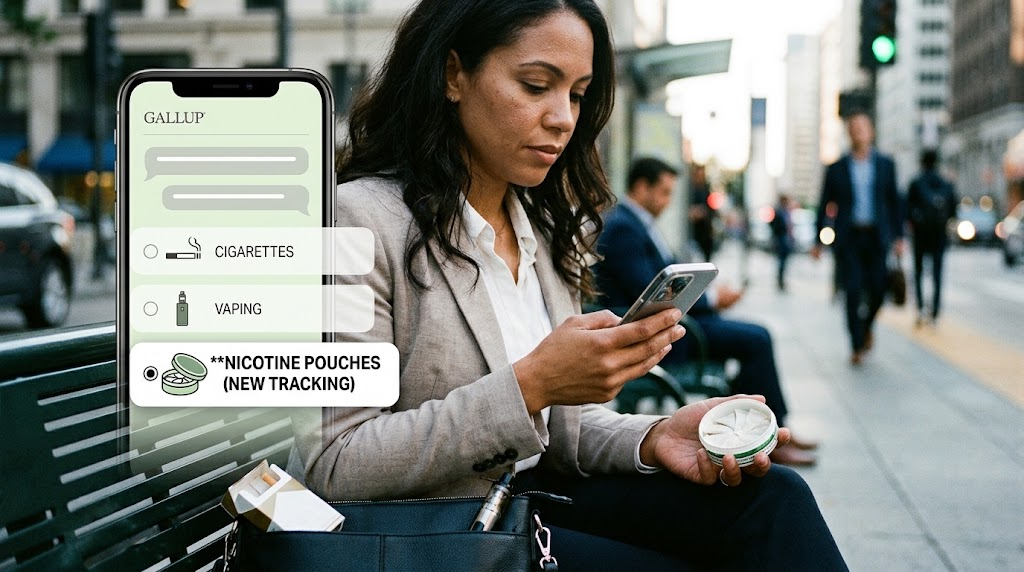
Gallup Tracks Nicotine Pouch Use for the First Time: 11% of U.S. Adults Smoke, 9% Vape and 4% Use Nicotine Pouches
Gallup’s 2026 Consumption Habits survey tracked nicotine pouch use for the first time. The survey found that 11% of U.S. adults reported smoking cigarettes in the past week, 9% reported vaping, and 4% reported using nicotine pouches. Cigarette smoking remained near Gallup’s long-term low, while adult vaping rates stayed relatively stable in recent years.
Market
Aug.25 by 2Firsts Perspectives
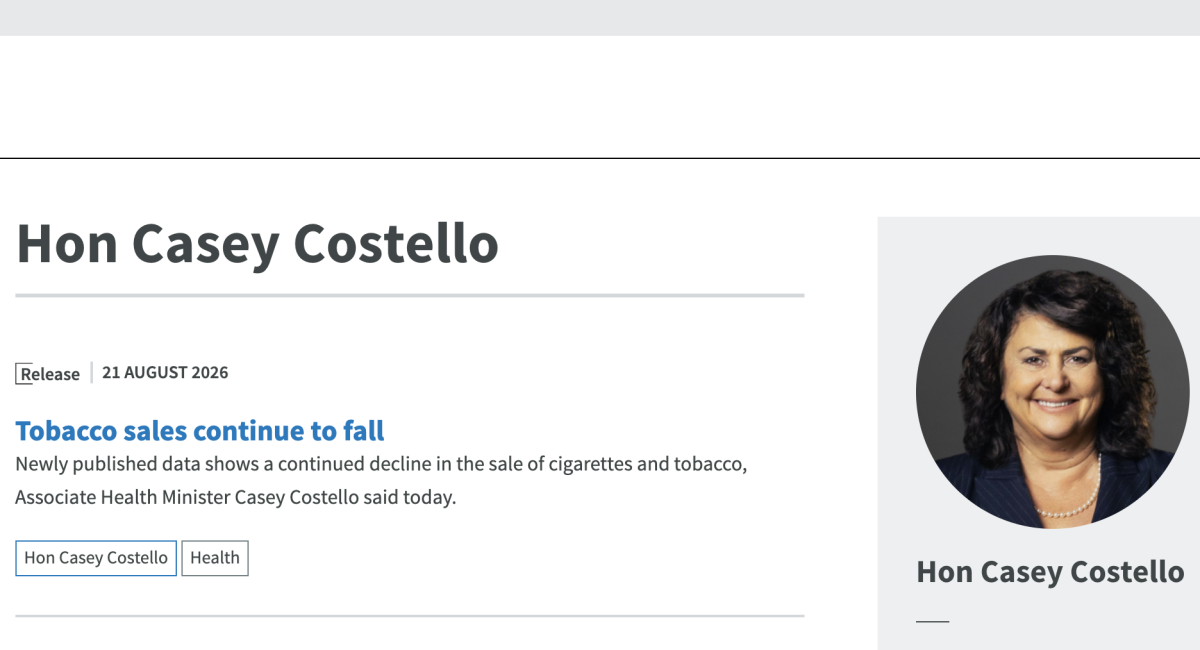
New Zealand Associate Health Minister Casey Costello Warns on Illicit Cigarettes as Legal Tobacco Sales Halve Over Decade
New Zealand Associate Health Minister Casey Costello said legal tobacco sales in the country have fallen by more than half over the past decade, with sales declining more than 20% in 2025 compared with the previous year. She warned that the decline may not fully reflect lower smoking rates, as increased availability of illicit cigarettes could also be contributing. The government said it would continue strengthening tobacco and vape retail enforcement while monitoring the impact of illicit tobacco on public health and tax revenue.
Aug.26
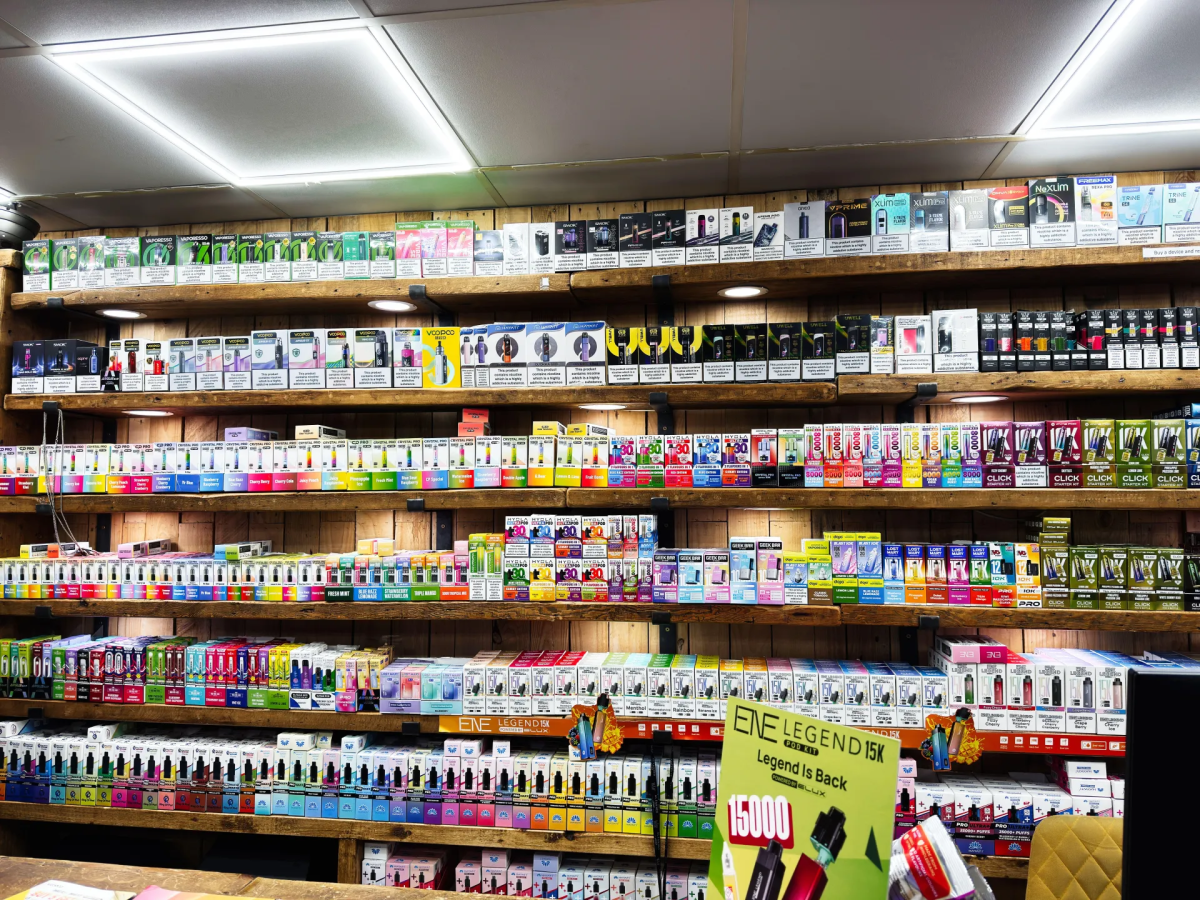
Scottish Vape Display Rules Could Cost Businesses £61 Million, Affecting More Than 11,000 Retail Outlets
A Scottish government impact assessment estimates that proposed vape display and packaging rules could create up to £61 million ($82 million) in compliance costs for businesses, affecting more than 11,000 retail outlets. The estimated costs are mainly linked to inventory adjustments, retail storage changes and the resources required for businesses to understand and implement the new requirements. The measures form part of the UK’s broader efforts to tighten vape regulation, particularly around product displays, packaging and sales practices.
Aug.10
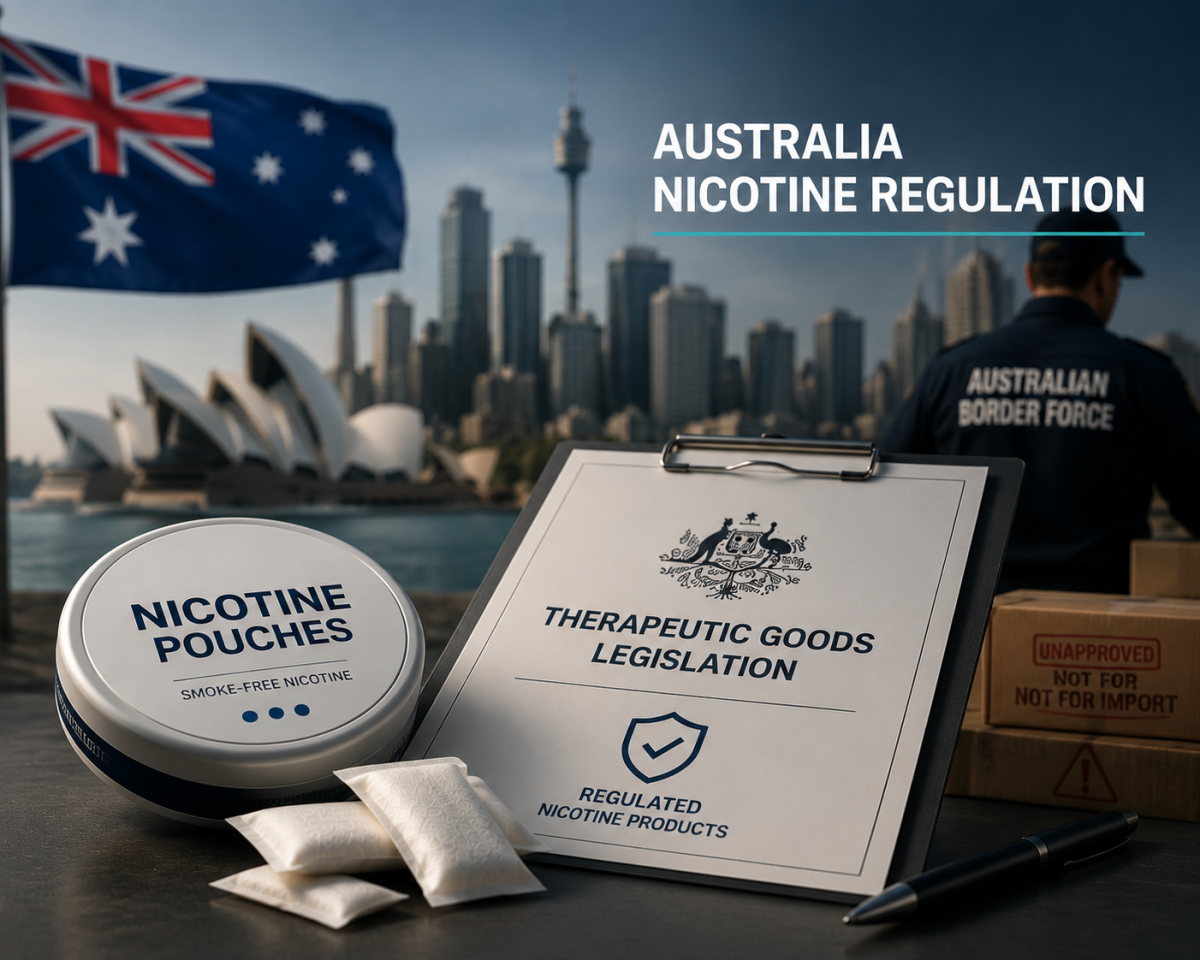
Australia’s TGA Places Nicotine Pouches Under Therapeutic Goods Rules From July 24, Blocking Imports of Unapproved Products
Australia is strengthening controls on nicotine pouches under its existing therapeutic goods regulatory framework. According to the Therapeutic Goods Administration (TGA), nicotine pouch products must meet regulatory requirements, and unapproved products cannot be legally imported. The move follows Australia’s broader approach of maintaining strict oversight of nicotine products, including nicotine-containing vapes. As nicotine pouches expand globally, Australia’s regulatory approach highlights growing differences in how countries manage emerging smoke-free nicotine products.
Regulations
Jul.27
Switzerland Tightens Vape Checks as Only 3 of 32 Tested Products Meet New Tobacco Rules
According to Swiss media outlet Blick, local authorities are strengthening compliance checks on vape products, nicotine pouches and other tobacco-related products following the implementation of Switzerland’s revised Tobacco Products Act. A Basel laboratory tested 32 disposable vapes and e-liquids, with only three meeting regulatory requirements and 21 products banned from sale. Swiss authorities are also expanding retail inspections, laboratory testing and youth purchase checks to enforce the new tobacco and nicotine product rules.
Aug.12