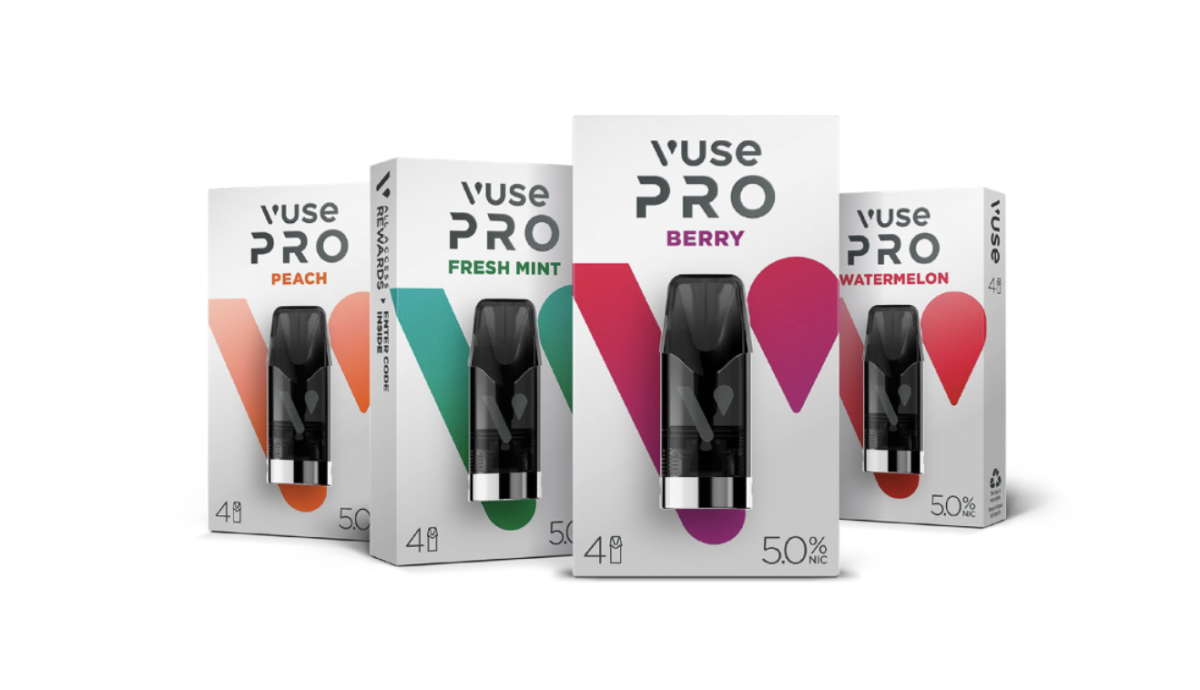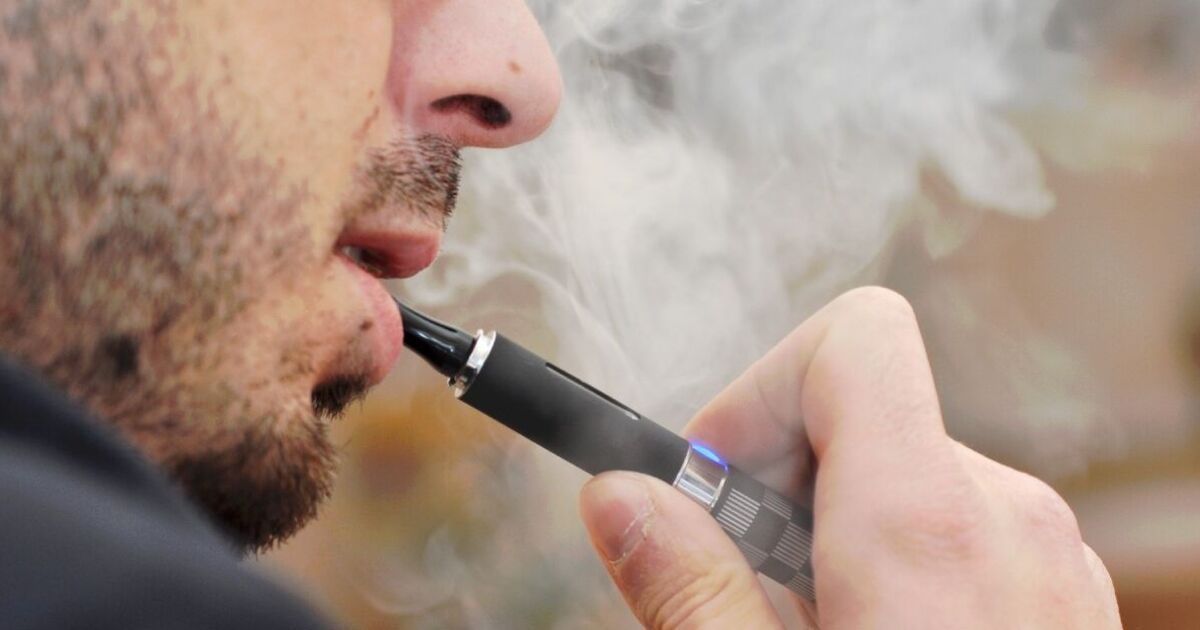
According to a report by Internewscast on September 29th, a study conducted on 1,020 e-cigarette users found that 39% of them admitted that they may purchase e-cigarettes from unregulated channels that have not been officially safety-checked.
The research results also show that one-third of the respondents believe that their nicotine consumption will increase. However, 22% of people believe that the upcoming law will motivate them to quit their e-cigarette habit.
A study commissioned by the nicotine pouch brand Übbs and retailer Haypp, carried out by OnePoll.com, aimed to respond to the UK government's commitment to achieve a "smoke-free Britain". Earlier this year, the UK government announced legislation that will restrict the sale and use of disposable e-cigarettes by 2025.
According to the survey, since the ban on e-cigarettes was announced, 24% of respondents have attempted to quit using them. 26% of respondents have switched to other alternatives, such as traditional cigarettes (36%), nicotine pouches (26%), and gum (25%).
The study also found that 85% of the respondents had smoked before switching to e-cigarettes, with 52% of them expressing concern about reverting to smoking habits after the ban is implemented.
The spokesperson for the Übbs brand, Steve McGeough, stated that,
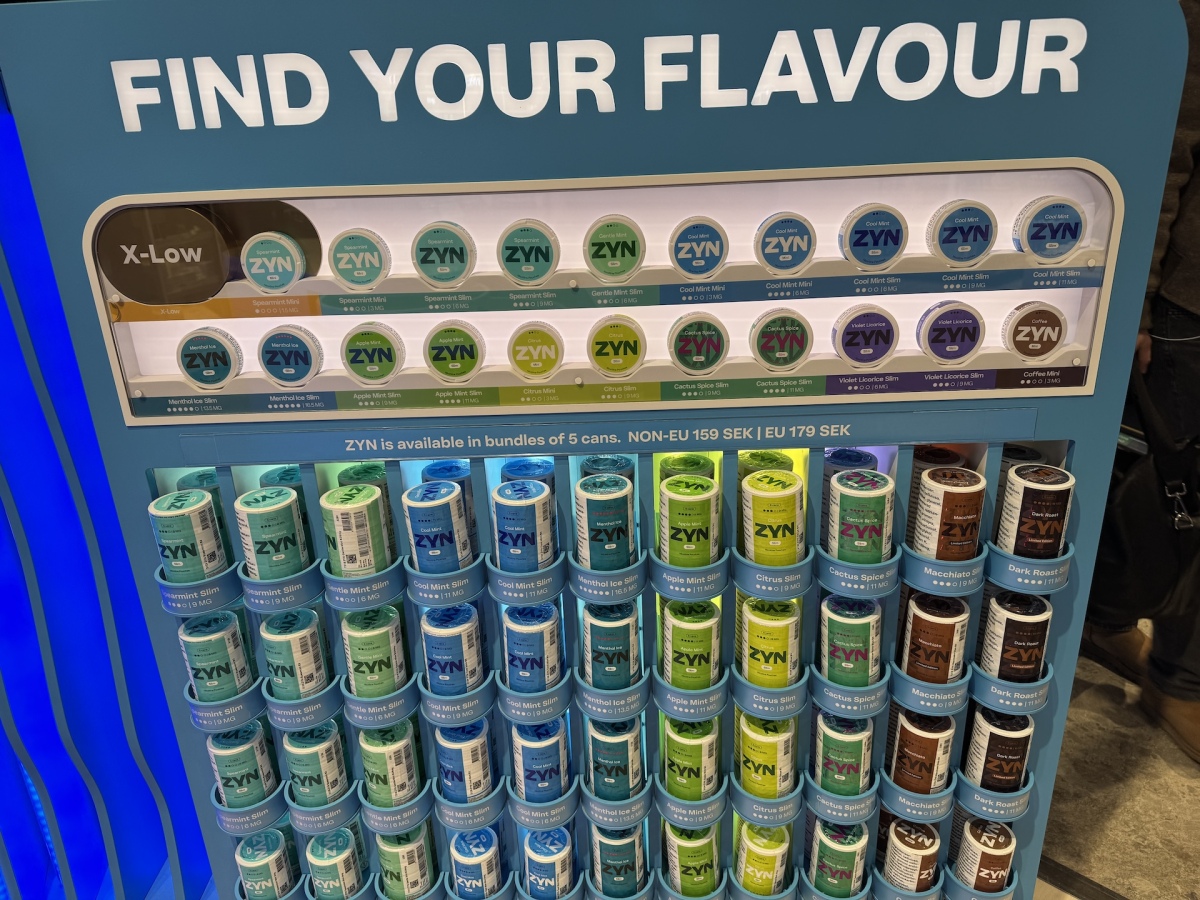
Hearing e-cigarette users say they will seriously consider switching to smoking after the ban is implemented is really concerning. Additionally, research also shows that some people may even seek unregulated e-cigarettes, which is very worrying in terms of quality and safety. Our research suggests that while disposable e-cigarettes may be gradually phased out, there are still many safe and regulated alternatives available now or when the ban comes into effect. Nicotine pouches are a popular choice, providing support for the UK's goal to become a smoke-free nation.
The study also found that 73% of e-cigarette users have not tried any e-cigarette alternatives. However, among them, 28% are most likely to try traditional cigarettes, 21% are willing to try gum, and 25% are open to trying nicotine pouches.
Additionally, 30% of respondents are "very aware" of the risks of using unregulated e-cigarettes. The most familiar features of such devices among respondents include the lack of nicotine warning labels (41%) and the absence of emissions testing information (30%). When looking for alternatives, 52% of people prioritize the smell and taste of the product, followed by considerations of safety and quality assurance (50%), and the product's discreteness (33%). 30% of individuals prefer products that are "readily available," while 24% believe that open system e-cigarettes are too complicated.
The study also revealed that running out of battery is the most annoying thing when using e-cigarettes (32%), followed by not being able to use them freely anytime and anywhere (30%). Another major concern is having to leave social gatherings to smoke and missing out on time with friends (23%), and the issue of not being able to use e-cigarettes on airplanes (21%).
Haypp spokesperson Markus Lindbald stated,
From a positive perspective, it is a good phenomenon that before the ban is implemented, so many people are trying to quit e-cigarettes or explore other low-risk alternatives, such as nicotine pouches, instead of turning back to smoking. Based on the nearly smokeless experience in Sweden, nicotine pouches can play an important role in reducing smoking rates and improving public and personal health.
We welcome news tips, article submissions, interview requests, or comments on this piece.
Please contact us at info@2firsts.com, or reach out to Alan Zhao, CEO of 2Firsts, on LinkedIn
Notice
1. This article is intended solely for professional research purposes related to industry, technology, and policy. Any references to brands or products are made purely for objective description and do not constitute any form of endorsement, recommendation, or promotion by 2Firsts.
2. The use of nicotine-containing products — including, but not limited to, cigarettes, e-cigarettes, nicotine pouchand heated tobacco products — carries significant health risks. Users are responsible for complying with all applicable laws and regulations in their respective jurisdictions.
3. This article is not intended to serve as the basis for any investment decisions or financial advice. 2Firsts assumes no direct or indirect liability for any inaccuracies or errors in the content.
4. Access to this article is strictly prohibited for individuals below the legal age in their jurisdiction.
Copyright
This article is either an original work created by 2Firsts or a reproduction from third-party sources with proper attribution. All copyrights and usage rights belong to 2Firsts or the original content provider. Unauthorized reproduction, distribution, or any other form of unauthorized use by any individual or organization is strictly prohibited. Violators will be held legally accountable.
For copyright-related inquiries, please contact: info@2firsts.com
AI Assistance Disclaimer
This article may have been enhanced using AI tools to improve translation and editorial efficiency. However, due to technical limitations, inaccuracies may occur. Readers are encouraged to refer to the cited sources for the most accurate information.
We welcome any corrections or feedback. Please contact us at: info@2firsts.com